Translate
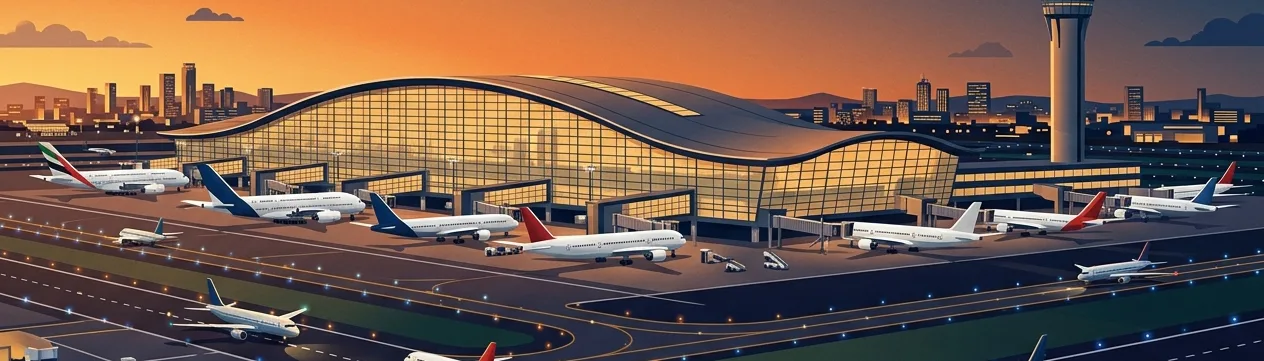
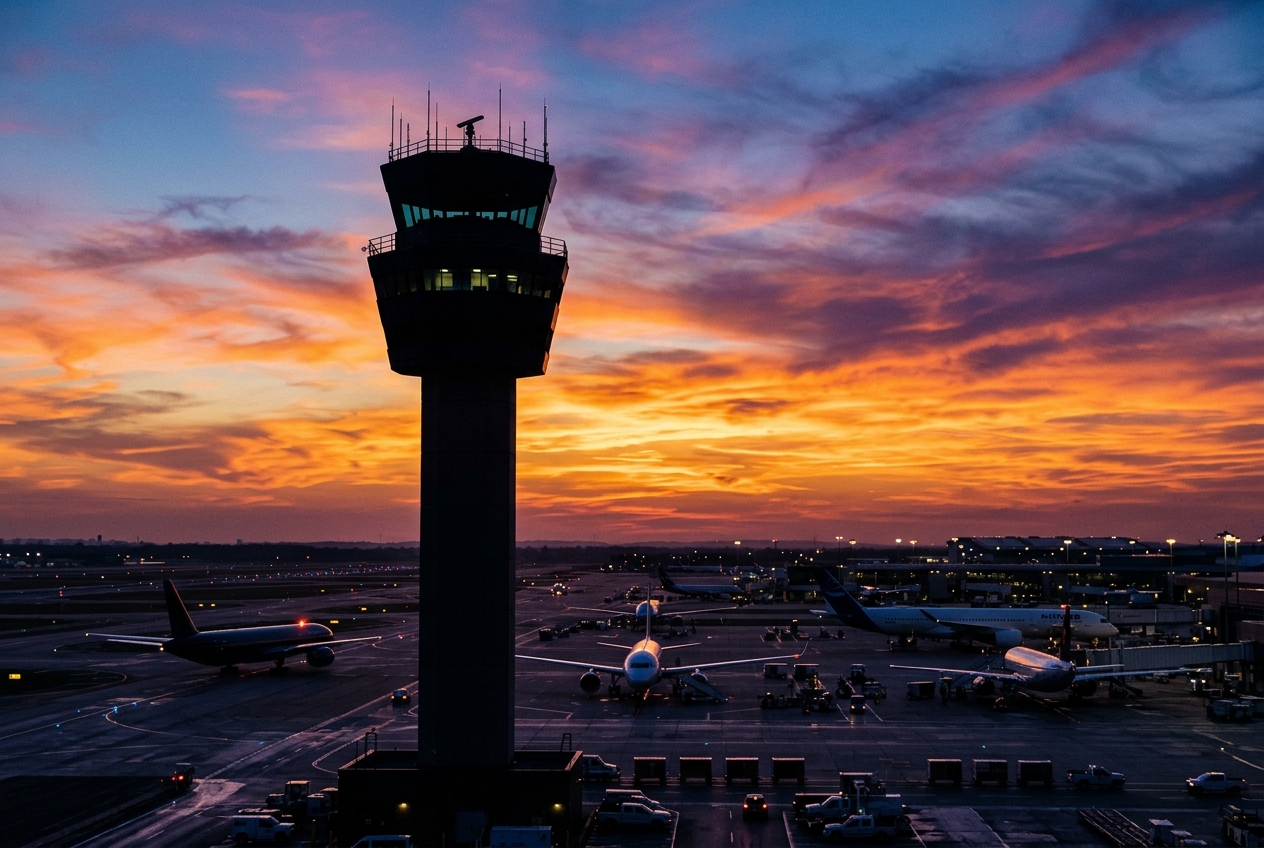
Italy's largest and busiest international gateway airport.
Opened
1960
Location
Rome, Italy
Rome–Fiumicino Leonardo da Vinci International Airport, commonly known as Fiumicino Airport, is Italy's largest airport and one of the busiest in Europe. Located approximately 30 kilometres southwest of central Rome near the town of Fiumicino, it serves as the primary international hub for Italy and a major connecting point between Europe, the Americas, Africa, and beyond.
The airport is named after Renaissance polymath Leonardo da Vinci and opened in 1960, replacing Ciampino Airport as Rome's main international facility. It is operated by Aeroporti di Roma (AdR), a subsidiary of Atlantia, and handles tens of millions of passengers annually, typically ranking among the top ten busiest airports in Europe.
A major expansion and modernization program has been underway to increase capacity and improve passenger experience, including investment in new terminal facilities, retail areas, and sustainability initiatives aimed at reducing the airport's carbon footprint.
Terminals
The airport has three main passenger terminals (T1, T2, and T3), with T3 being the largest and most modern, handling the majority of international and intercontinental traffic.
Getting to & from
The airport is connected to central Rome via the Leonardo Express non-stop train service to Roma Termini station, as well as regional rail, bus services, and road access via the A91 motorway.
Airlines here
ITA Airways (formerly Alitalia) uses Fiumicino as its primary hub, and numerous major carriers including Lufthansa, Air France, British Airways, Emirates, and American Airlines operate regular services here.
Notable facts
- ›Named after Leonardo da Vinci, the airport's popular nickname 'Fiumicino' refers to the nearby coastal town.
- ›It is Italy's busiest airport, handling over 40 million passengers in pre-pandemic years.
- ›The airport has its own dedicated ICAO weather observation station due to its proximity to the Tyrrhenian Sea.
- ›Fiumicino was one of the sites of a deadly terrorist attack on 27 December 1985 targeting airport check-in counters.
- ›The Leonardo Express train covers the 30 km journey to Roma Termini in approximately 32 minutes.
This profile is provided for general information only. Details may be inaccurate or outdated — always verify with the airport's official website before acting on them.