Overview
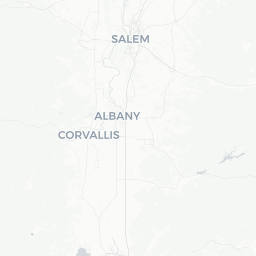
Independence is a small city of roughly 9,000 people situated on the west bank of the Willamette River in Polk County, Oregon, about 15 miles southwest of Salem. Despite its modest size, it carries an outsized agricultural identity rooted in the hop-growing industry that shaped the mid-Willamette Valley throughout the late 19th and early 20th centuries.
The city's compact historic downtown — centered on Monmouth Street and Main Street — retains a walkable, unhurried character with locally owned shops, tasting rooms, and restaurants. The Willamette River frontage provides green space and a scenic backdrop that draws cyclists, kayakers, and picnickers.
Independence sits squarely within Oregon's celebrated wine country, and the surrounding Eola–Amity Hills and Chehalem Mountains AVAs are within easy driving distance, making it a practical and less-crowded alternative base to the more tourist-heavy towns of McMinnville or Newberg.
Before You Go
Visas and Entry
Independence is in the United States. Entry requirements depend on your nationality. Check TravelerPulse's Visas section and the official US Customs and Border Protection website for current requirements before booking.
Climate
Independence experiences a mild Pacific Northwest climate. Summers (June–September) are warm and dry, with daytime highs typically in the mid-70s to mid-80s°F (24–30°C). Winters are cool, wet, and overcast, with temperatures rarely dropping below freezing for extended periods. Rain is most persistent from November through March. Pack layers and a waterproof jacket if visiting outside of summer.
What to Pack
- Comfortable walking shoes for downtown and river trails
- Sun protection for summer visits
- A rain layer for shoulder-season or winter trips
- A designated driver or rideshare plan if you intend to visit multiple tasting rooms
Getting There
By Air
The nearest commercial airport is Portland International Airport (PDX), approximately 65–75 miles north via I-5. Salem's McNary Field (SLE) is closer at around 20 miles and serves limited regional flights. Renting a car at either airport is the most practical option for reaching Independence.
By Car
From Portland, take I-5 south to the Salem area and then head west on OR-22 or OR-51 toward Independence. From the Oregon Coast, US-20 connects to the valley. A personal vehicle is strongly recommended, as public transit options to Independence are limited.
By Bus
Cherriots Regional (the Salem-Keizer Transit regional service) operates bus routes connecting Salem to Independence. Schedules and route details should be verified directly on the Cherriots website or by contacting them, as service frequency is modest.
By Bicycle
The Willamette Valley Scenic Bikeway passes through the region, and cyclists comfortable with rural roads can reach Independence from Salem or Monmouth via relatively flat valley terrain.
Getting Around
Independence is a walkable city at its core — the historic downtown, Riverview Park, and the Willamette River waterfront are all accessible on foot from one another. Most visitors arrive by personal vehicle, which is essential for reaching wineries, farms, and attractions outside the city limits.
Cherriots Regional provides limited local bus connections. Rideshare apps (Uber, Lyft) are available but coverage can be inconsistent in smaller Willamette Valley communities; verify availability before relying on them for winery touring. Bicycles are a pleasant option within town and along the river path.
Things to See & Do
Independence Riverview Park
The park lines the Willamette River and offers walking paths, picnic areas, a boat launch, and open lawns. It is a central gathering space for the community and a peaceful spot for visitors to spend an afternoon.
Historic Downtown
The downtown commercial district has been listed on the National Register of Historic Places. Strolling the blocks around Monmouth Street reveals well-preserved late-19th and early-20th century commercial architecture. Local boutiques, a cidery, and casual dining fill many of the storefronts.
Hop Festival
Held each September, Independence's World Famous Hop Festival celebrates the city's agricultural heritage with live music, food vendors, craft beverages, and hop-related activities. Dates and details vary by year — verify on the city's official website or local event listings before planning your trip around it.
Cideries and Tasting Rooms
The craft cider scene has taken root in Independence, reflecting the area's fruit-growing traditions. A small number of tasting rooms operate in or near downtown; check current hours locally before visiting.
Willamette Valley Wine Country
Independence is a practical launchpad for exploring Eola–Amity Hills AVA wineries, many of which are within 15–30 minutes by car. Pinot Noir and Pinot Gris are the dominant varieties. Always verify winery hours and tasting policies before visiting, as many are appointment-based.
Bicycling and River Recreation
The flat terrain around Independence suits casual cycling. The Willamette River offers kayaking and fishing opportunities; a public boat launch is located in Riverview Park. Outfitter availability should be confirmed locally.
Food & Drink
Independence has a small but genuine local dining scene concentrated in its historic downtown. Expect casual, unpretentious options rather than destination fine dining. Mexican cuisine, pub-style food, and coffee shops are well represented for a town of this size.
The craft beverage culture is a highlight — local cideries and nearby wineries give visitors easy access to Willamette Valley products without competing with the crowds found in larger wine-country towns. Tasting room pouring fees and hours change seasonally; verify before you go.
The Independence Farmers Market operates during warmer months and is a good source of local produce, baked goods, and specialty foods. Check the current schedule with the city or market organizers, as dates and locations can shift year to year.
Practical Information
Emergency Services
For emergencies in the United States, dial 911 for police, fire, or medical emergencies.
Money
ATMs are available in downtown Independence and at nearby banks. Credit cards are widely accepted at most businesses, though smaller farm stands or market vendors may prefer cash.
Connectivity
Cell service from major US carriers (AT&T, Verizon, T-Mobile) is generally reliable in town and on main roads. Rural coverage can become patchy on back roads between farms and wineries — download offline maps before heading out.
Accessibility
The downtown core and Riverview Park have paved surfaces. Verify specific accessibility features at individual attractions and restaurants, as standards vary in older historic buildings.
Useful Contacts
- City of Independence official website: verify the current URL via a search, as municipal sites occasionally change.
- Polk County information and services: verify locally.
Safety
Independence is a quiet, low-crime small city by most measures. Standard travel precautions apply: secure valuables in your vehicle, be aware of your surroundings in unfamiliar areas, and stay informed about weather conditions, particularly during winter when valley fog and ice can create hazardous driving conditions.
If visiting the Willamette River for kayaking or swimming, note that river currents can be deceptively strong, particularly during spring runoff. Heed any posted warnings and wear a life jacket when on the water.
Local Culture & Etiquette
Independence has a strong identity tied to its agricultural past, particularly the hop industry that once made this stretch of the Willamette Valley among the most productive hop-growing regions in the world. The annual Hop Festival is the most visible expression of this heritage, but the legacy also shows up in local murals, historical markers, and conversations with longtime residents.
The city has a notable Hispanic and Latino community, reflecting broader demographic patterns in Oregon's agricultural Willamette Valley. This is reflected in local food options and community events. Visitors should approach the community with the same respectful curiosity they would bring to any small American city with deep working-class agricultural roots.