Overview
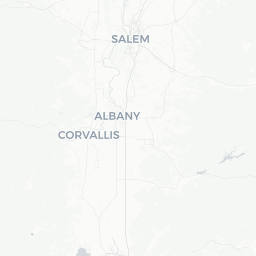
Albany is a mid-sized city of roughly 52,000 people situated in the heart of Oregon's Willamette Valley, at the confluence of the Calapooia and Willamette rivers. It sits roughly halfway between Portland and Eugene along Interstate 5, making it an accessible stopping point on any north–south Oregon road trip.
The city is perhaps best known among architecture enthusiasts for its exceptionally well-preserved collection of historic buildings. Albany claims one of the largest inventories of Victorian-era structures in the Pacific Northwest, spread across four National Register historic districts: Monteith, Hackleman, Downtown, and Waverly Lake.
Beyond its streetscapes, Albany has a working industrial identity tied to the processing of specialty and rare metals — a lesser-known but significant part of Oregon's economy. For visitors, the combination of walkable historic neighborhoods, proximity to Willamette Valley wineries, and a genuine small-city character makes it a quietly rewarding destination.
Before You Go
Visas
Albany is in the United States. Entry requirements depend on your nationality. For current visa information, check TravelerPulse's Visas section and the official U.S. Citizenship and Immigration Services website.
Weather
Albany has a temperate oceanic climate. Summers (June–September) are warm and largely dry, with temperatures typically ranging from the mid-60s to low 90s°F (about 18–33°C). Winters are mild but wet and overcast, with rain common from November through March. Snow is infrequent but possible. Pack layers and a waterproof jacket if visiting outside of summer.
What to Pack
- Comfortable walking shoes for historic district strolls
- Rain jacket or umbrella for fall, winter, and spring visits
- Sun protection for summer outdoor events
- Cash for smaller local vendors; most businesses also accept cards
Getting There
By Car
Albany is directly accessible from Interstate 5 at several exits. It is approximately 70 miles (113 km) south of Portland and about 25 miles (40 km) north of Eugene, making it easy to reach by car from either city.
By Train
Amtrak's Cascades and Coast Starlight routes stop at Albany. The station is located in the historic downtown area. Verify current schedules and fares at amtrak.com before travel, as service times can change.
By Air
The nearest commercial airports with regular service are Portland International Airport (PDX), roughly 80 miles north, and Eugene Airport (EUG), roughly 40 miles south. Both are served by major U.S. carriers. Car rental is available at each airport for the drive south or north to Albany.
Getting Around
Albany is a drivable city and most visitors explore by personal or rental car. Street parking is generally available in the historic districts and downtown.
The city does operate a local transit service, Albany Transit System (ATS), with fixed routes. Verify current routes, schedules, and fares directly with the city or locally, as service details change.
The historic downtown and Monteith and Hackleman districts are compact enough for comfortable walking once you are parked. A bicycle is also a practical way to move between neighborhoods on flatter terrain. Ride-share availability is more limited than in larger Oregon cities; verify locally before relying on it.
Things to See & Do
Historic Architecture Tours
Albany's four National Register Historic Districts contain hundreds of documented historic structures spanning Italianate, Queen Anne, Craftsman, and other styles. Self-guided walking tour maps are available through the Albany Visitors Association — verify current availability on their official site. The Hackleman and Monteith districts are the most walkable for architecture exploration.
Monteith House
The Monteith House is considered Albany's oldest surviving frame house and is connected to the city's founding. It serves as a historic site and small museum. Verify current opening hours and admission details locally or on the official city site before visiting.
Waverly Lake and Riverfront Parks
Waverly Lake Park offers a pleasant setting for walking, picnicking, and birdwatching. The Willamette Riverfront is accessible and provides a scenic backdrop for a casual stroll. The Dave Clark Riverfront Path connects several green spaces along the river.
World of Speed and Car Culture
Albany hosts the Albany World of Speed, a vintage and classic car show that draws enthusiasts from across the region, typically held in summer. Verify the current year's schedule with organizers before planning a trip around it.
Day Trips into the Willamette Valley
Albany's location places it within easy reach of Willamette Valley wine country, Corvallis (home of Oregon State University, about 10 miles west), and the Oregon coast via Highway 20.
Food & Drink
Albany's dining scene is modest in scale but covers everyday needs well, with locally owned restaurants, casual diners, and a handful of breweries and coffee shops anchoring the downtown area.
The city has a craft beer presence consistent with broader Oregon culture — a few local taprooms operate in or near downtown. Verify current operating businesses locally, as the independent restaurant landscape can shift.
For grocery shopping and self-catering, Albany has standard national chain supermarkets as well as access to local and seasonal produce common throughout the Willamette Valley. Farmers markets operate seasonally; check with the city or Albany Visitors Association for current market days and locations.
Corvallis, just 10 miles to the west, expands dining options considerably if you are looking for a wider variety of cuisines and a more developed restaurant scene.
Practical Information
Emergency Services
In any emergency in the United States, dial 911 for police, fire, or ambulance.
Internet and Connectivity
Most hotels, cafes, and public spaces in Albany offer Wi-Fi. Cell coverage from major U.S. carriers is generally reliable throughout the city.
Money
ATMs are available at banks and some retail locations throughout the city. Credit and debit cards are accepted at most businesses. Smaller vendors at markets or older establishments may prefer cash — it is worth carrying some.
Accessibility
Downtown and historic district sidewalks vary in condition given the age of the infrastructure. Visitors with mobility considerations should verify specific site accessibility before visiting.
Safety
Albany is a typical mid-sized American city. Most visitor areas — the historic districts, parks, and downtown — are generally safe during the day. Standard urban precautions apply: keep an eye on your belongings, be aware of your surroundings, and avoid leaving valuables visible in parked cars.
River areas can carry hazards including swift currents and uneven banks, particularly during winter and spring high water. Heed any posted warnings near the Willamette or Calapooia rivers.
For the most current local safety information, consult the Albany Police Department or city communications channels.