Translate
Overview
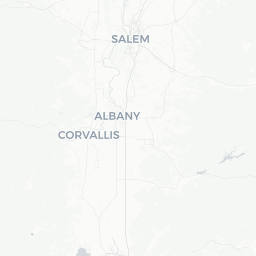
Turner is a small city of roughly 2,000 residents situated in Marion County, Oregon, about eight miles south of Salem in the heart of the Willamette Valley. It sits at an elevation just above the valley floor, surrounded by agricultural land that produces grass seed, hops, berries, and other crops typical of this region.
The town has a quiet, unhurried character that reflects its origins as a rural community along what was once an important rail corridor. While Turner itself offers limited conventional tourist infrastructure, it is a genuine slice of small-town Oregon and appeals to travelers interested in agricultural landscapes, slower-paced stops, and easy access to the broader Salem area.
Most visitors to Turner arrive as part of a day trip from Salem or while passing through on their way south along the Willamette Valley. The surrounding countryside, local community feel, and proximity to Ankeny National Wildlife Refuge make it worth at least a brief detour for travelers with flexibility in their itinerary.
Before You Go
Turner is a US domestic destination, so no visa is required for American citizens. International travelers should check TravelerPulse's Visas section and consult the US Citizenship and Immigration Services (USCIS) website for current entry requirements.
The town has very limited visitor services — there are no large hotels, and dining options are modest. Plan to carry cash as well as a card, and consider fueling up and stocking supplies in Salem before arriving. Cell service is generally available but can be inconsistent in more rural areas just outside of town.
Oregon has no sales tax, which simplifies purchases. Weather in the Willamette Valley is mild but wet from October through April; bring waterproof layers if visiting outside the summer months.
Getting There
By Car
Turner is the most practical way to reach Turner. It lies just off Oregon Route 22 (Mission Street SE) south of Salem, making it easily accessible from Interstate 5 — take the exit for OR-22 East and follow local roads south toward Turner Road. The drive from downtown Salem takes roughly 15–20 minutes under normal conditions.
By Air
The nearest commercial airport is Salem Municipal Airport (SLE), though it serves limited regional routes. Portland International Airport (PDX), approximately 60 miles north, offers far more connections and is the practical choice for most visitors arriving by air. A rental car is strongly recommended from either airport.
By Bus
Cherriots Regional (Salem-Keizer Transit's regional service) operates routes connecting Marion County communities. Verify current schedules and stops at the official Cherriots website, as service frequency and routing can change.
Getting Around
Turner is a small, walkable community at its core, but the surrounding agricultural areas and nearby wildlife refuge require a personal vehicle. There is no local rideshare infrastructure to rely on, and taxi services are not consistently available.
If you are exploring the broader area — including Ankeny National Wildlife Refuge or the roads south toward Stayton — a car is essential. Roads in rural Marion County are generally well-maintained but can be narrow in places; use caution during wet weather when farm equipment may also be on the road.
Things to See & Do
Ankeny National Wildlife Refuge
Located a short drive west of Turner, Ankeny National Wildlife Refuge is part of the Willamette Valley National Wildlife Refuge Complex managed by the US Fish & Wildlife Service. It provides important habitat for migratory birds, particularly waterfowl during the fall and winter months. A short auto tour route and walking trails are available; verify current access and seasonal closures on the official USFWS website before visiting.
Agricultural Scenery and Rural Drives
The roads surrounding Turner pass through classic Willamette Valley farmland. Grass seed fields, hop yards, and berry farms characterize the landscape, particularly in summer. This is an area appreciated by photographers and those who enjoy unhurried rural drives rather than structured attractions.
Proximity to Salem
Salem, Oregon's state capital, is a short drive north and offers a full range of cultural attractions including the Oregon State Capitol, Willamette Heritage Center, and Deepwood Estate. Most visitors pair Turner with a half-day or full-day exploration of Salem's offerings.
Food & Drink
Turner has limited dining options given its small population. Local establishments exist but may have variable hours; verify locally or by phone before making plans around a specific meal stop.
Salem, just eight miles north, offers a wide range of restaurants, cafes, and grocery stores and is the practical choice for most dining needs. The Willamette Valley broadly is known for its wine production, with numerous wineries and tasting rooms accessible within a 30–60 minute drive of Turner — verify current hours and reservation requirements directly with individual vineyards.
Practical Information
Emergency Services
Dial 911 for all emergencies in the United States. Marion County Sheriff's Office serves the Turner area for law enforcement. For non-emergency medical needs, Salem Hospital is the nearest major medical facility, located in Salem.
Connectivity
Public Wi-Fi is not reliably available in Turner. Mobile data coverage from major US carriers is generally adequate in town but may weaken in surrounding rural areas.
Facilities
Public restroom facilities are limited. Plan accordingly, particularly if visiting the wildlife refuge or spending time on rural roads. Fuel stations are available in Turner and more extensively in Salem.
Safety
Turner is a low-key rural community with no specific safety concerns that would be unusual for small-town Oregon. Standard common-sense precautions apply: secure your vehicle and belongings, and be aware of road conditions, especially in wet weather.
When visiting Ankeny National Wildlife Refuge or other natural areas, wear appropriate footwear, carry water, and be aware that trails can be muddy or flooded during the rainy season (roughly November through March). Check official refuge communications for any seasonal wildlife activity advisories.