Overview
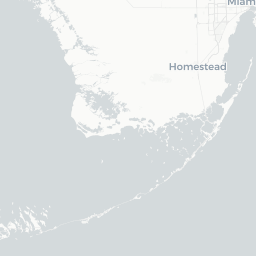
Biscayne Park is a small incorporated village in Miami-Dade County, Florida, situated just north of Miami proper and south of North Miami. With a population of roughly 3,200, it functions as a tight-knit residential community rather than a conventional tourist destination. Its appeal lies in its quiet, shaded streets, modest historic bungalows, and a pace of life noticeably calmer than the urban intensity of greater Miami.
The village was incorporated in the 1920s during the Florida land boom and retains a modest civic identity with a village hall and a small public park. Visitors who end up here are typically guests of locals, travelers seeking affordable accommodations near Miami, or those curious about the quieter residential pockets that exist just beyond Miami's high-profile neighborhoods.
Biscayne Park is not a standalone destination in the conventional sense—there are no major museums, large hotels, or headline attractions within village limits. Its value is almost entirely contextual: it sits within easy reach of Miami's Design District, Little Haiti, the beaches of Miami Beach, and Biscayne National Park, making it a functional and peaceful base.
Getting There
By Air
The primary gateway is Miami International Airport (MIA), located roughly 12–15 miles southwest of Biscayne Park. Fort Lauderdale-Hollywood International Airport (FLL) is another option, approximately 25–30 miles to the north. Both airports are served by major domestic and international carriers. Verify current ground transportation options and travel times directly with your carrier or a mapping service, as conditions vary.
By Car
Biscayne Park is accessible via I-95 and US-1 (Biscayne Boulevard). A car is the most practical way to reach the village. NE 6th Avenue and NE 125th Street are the main local arterials connecting it to surrounding neighborhoods.
By Public Transit
Miami-Dade Transit operates bus routes in the broader area. The nearest Metrorail station is not within walking distance of the village, so bus connections or a rideshare app are typically needed for the last leg. Check the Miami-Dade Transit website for current route information before traveling.
Getting Around
A personal vehicle or rideshare app (Uber and Lyft both operate throughout Miami-Dade County) is the most practical way to move around Biscayne Park and to access nearby attractions. The village itself is small enough to walk or cycle through, though the surrounding street network is oriented toward drivers.
Bicycle infrastructure has been expanding across Miami-Dade in recent years; verify current bike lane availability locally. Biscayne Boulevard, which runs along the eastern edge of the village's vicinity, is a major transit corridor with bus service connecting points north and south toward downtown Miami.
Where to Stay
Biscayne Park has no hotels within its village limits. Accommodation options are found in adjacent North Miami, along Biscayne Boulevard, or further into Miami proper. Short-term rental platforms list properties within the village and surrounding neighborhoods, which may suit travelers who prefer a residential-style stay.
For a broader range of hotels—from budget to luxury—Miami Beach, downtown Miami, and Aventura are all within a reasonable drive. If you intend to use Biscayne Park as a base, a short-term rental is likely your most practical option. Verify listings, reviews, and local regulations on your preferred platform before booking.
Things to See & Do
Within the Village
Biscayne Park's namesake public park and village green offer a low-key spot to relax. The village hosts occasional community events; check with the village hall or local notice boards for current programming. The historic bungalow streetscapes are pleasant for a slow walk or cycle.
Nearby Attractions Worth Planning Around
Given the village's size, most meaningful sightseeing happens in surrounding areas:
- Biscayne National Park — Approximately 25 miles south, this largely aquatic national park protects coral reefs, mangroves, and islands. Boat tours and snorkeling trips depart from Dante Fascell Visitor Center in Homestead. Verify hours and tour availability through the National Park Service.
- Little Haiti Cultural Complex — A short drive south in Miami, this center offers a window into Miami's Haitian community through art, music, and cultural programming.
- Miami Design District — Roughly 10–15 minutes south, known for art galleries, design showrooms, and dining.
- North Miami's MOCA (Museum of Contemporary Art) — Located in adjacent North Miami, MOCA presents rotating contemporary art exhibitions. Confirm hours and admission on their official site before visiting.
- Oleta River State Park — To the northeast, this urban state park offers kayaking, mountain biking, and mangrove exploration. Verify entry fees and hours through Florida State Parks.
Food & Drink
Biscayne Park itself has very limited dining options within village limits. Residents and visitors typically travel to adjacent North Miami, the Upper East Side of Miami, or along Biscayne Boulevard for restaurants, cafes, and bars.
The broader corridor along Biscayne Boulevard between roughly 79th Street and 125th Street has seen growing restaurant activity in recent years, including spots reflecting Miami's diverse culinary influences—Caribbean, Latin American, and contemporary American. Verify specific establishments locally or via a current review platform, as the dining scene in this part of Miami shifts frequently.
For groceries and everyday provisions, supermarkets in North Miami and nearby areas are accessible by car.
Practical Information
Visas and Entry
Biscayne Park is in the United States. For visa and entry requirements, visit TravelerPulse's Visas section and the official U.S. Customs and Border Protection website (cbp.gov). Requirements vary significantly by nationality.
Emergency Services
In any emergency in the United States, dial 911 for police, fire, or medical assistance. Biscayne Park is served by Miami-Dade County emergency services.
Weather
South Florida has a subtropical climate with two primary seasons: a hot, humid, and rainy summer (May–October) and a drier, milder winter (November–April). Hurricane season runs June 1 through November 30. Monitor the National Hurricane Center (nhc.noaa.gov) if traveling during this period.
Connectivity
Cell coverage is good throughout the Miami-Dade area. Wi-Fi is widely available in cafes and accommodations in surrounding neighborhoods.
Safety
Biscayne Park is a quiet residential village and is generally considered safe. Standard urban precautions apply: be aware of your surroundings, secure valuables in your vehicle, and keep an eye on your belongings in public spaces.
For the most current safety information, consult Miami-Dade County's public resources or the U.S. Department of State's travel information pages. If you are an international visitor, your country's foreign ministry may also publish travel advisories for the United States.