Overview
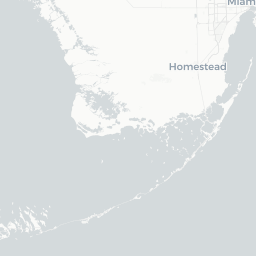
Miami Shores is a small incorporated village in Miami-Dade County, sitting between the city of Miami to the south and North Miami to the north, hugging the western shore of Biscayne Bay. With a population of roughly 10,000 residents, it functions more as a quiet, walkable neighborhood than a conventional tourist destination, yet it rewards visitors who seek a calmer counterpoint to the intensity of South Beach or downtown Miami.
The village is particularly noted for its intact stock of mid-20th-century Mediterranean Revival and Art Deco residential architecture, tree-lined streets, and a genuinely unhurried pace. The main commercial strip along Northeast Second Avenue offers independent restaurants, coffee shops, and small businesses that serve the local community rather than a mass tourist market.
Because Miami Shores sits on Biscayne Bay, outdoor recreation — kayaking, paddleboarding, fishing, and cycling along bay-adjacent paths — is a practical draw. Visitors typically combine a stay here with day trips into greater Miami, Wynwood, Little Haiti, or the beaches of Miami Beach, all of which are within a short drive.
Before You Go
Visas and Entry
Miami Shores is in the United States. Entry requirements depend on your nationality and travel history. Check TravelerPulse's Visas section and the official U.S. Customs and Border Protection website for current requirements before booking.
Climate
Miami Shores has a tropical monsoon climate. Summers (June–September) are hot, very humid, and bring frequent afternoon thunderstorms and the possibility of tropical storm activity. Winters are mild and dry, making November through April the most comfortable window for outdoor activities. Pack light, breathable clothing year-round and bring rain gear if visiting in summer.
Health
No destination-specific vaccinations are required for travel to Florida from within the United States. International travelers should verify requirements with their home country's health authority. Mosquitoes can be present during warmer months; insect repellent is advisable for outdoor time near the bay.
Practical Preparation
- Miami Shores has limited hotel accommodation; most visitors stay at properties in surrounding Miami communities.
- A car or reliable rideshare access is helpful for reaching the village if staying elsewhere in Miami-Dade.
- Verify locally any business hours or services you are counting on, as the village's small commercial district can see seasonal closures.
Getting There
By Air
Miami International Airport (MIA) is the primary gateway, located approximately 12–15 miles southwest of Miami Shores. Fort Lauderdale-Hollywood International Airport (FLL) is a viable alternative, roughly 25–30 miles to the north. Ground transport from either airport to Miami Shores is available via rideshare services, taxis, or rental car; verify current transit options at the time of travel.
By Road
Miami Shores is easily accessible via Interstate 95, with exits feeding into Biscayne Boulevard (US-1) and Northeast Second Avenue. Biscayne Boulevard runs along the village's eastern edge and is the primary arterial approach from both north and south.
By Public Transit
Miami-Dade Transit operates bus routes along Biscayne Boulevard that serve Miami Shores. The nearest Metrorail station is in the broader Miami network; connections may require a bus transfer. Verify current routes and schedules on the Miami-Dade Transit website before traveling.
Getting Around
Miami Shores is compact and walkable within its village core, making it possible to reach the main commercial strip, parks, and bayfront areas on foot if you are staying locally. Cycling is a practical option and the flat terrain is well suited to it; bike-share stations from the regional Citi Bike network are present in parts of the greater Miami area — verify current station locations near Miami Shores before relying on this.
For trips beyond the village — to Miami Beach, Wynwood, Brickell, or other Miami neighborhoods — a personal vehicle or rideshare service is the most efficient option. Public bus service along Biscayne Boulevard connects to the broader Miami-Dade network, but journey times to some destinations can be long. Rideshare apps (Uber, Lyft) function reliably in the area.
Things to See & Do
Bayfront Recreation
Bayside Park, located along the eastern edge of the village fronting Biscayne Bay, is the primary outdoor hub. It offers open green space, bay views, and access points for fishing. Kayaking and paddleboarding on the bay are popular; equipment rental operators exist in the broader Miami area — verify availability locally.
Architecture Walks
The residential streets of Miami Shores contain a well-preserved collection of Mediterranean Revival homes, many dating from the village's development in the 1920s through 1940s. A self-guided walk along Northeast 9th and 10th Avenues and surrounding blocks gives a genuine sense of this architectural character without requiring formal tours.
Miami Shores Country Club
The village has a historically significant country club and golf course. Access is generally member-based; verify any public access or guest policies directly with the club.
Day Trips
Miami Shores' central location makes it an efficient base. Wynwood's murals and galleries, the Miami Beach boardwalk, Little Haiti Cultural Center, and the Pérez Art Museum Miami are all within a reasonable drive. The village itself is best understood as a quiet home base rather than an attraction-dense destination.
Food & Drink
The dining scene in Miami Shores is modest in scale but genuine in character, concentrated primarily along Northeast Second Avenue. Expect independently owned cafés, casual restaurants, and a small number of bars serving the local residential community. The range includes casual American, Caribbean-influenced dishes reflecting the broader Miami-Dade cultural mix, and coffee shops suitable for a relaxed morning.
Because the strip is community-focused rather than tourist-oriented, hours can be variable and some establishments close on Mondays or during summer slowdowns. It is worth calling ahead or checking current hours before making a specific trip. For a wider range of dining options — from fine dining to international cuisines — visitors typically head into Miami proper, Miami Beach, or North Miami Beach, all of which are a short drive away.
- Verify restaurant hours locally, particularly for dinner service on weeknights.
- The village has limited late-night options; plan accordingly.
- Several spots offer outdoor seating suitable for Miami's warm evenings.
Practical Information
Emergency Services
For any emergency in the United States, dial 911. Miami Shores has its own village police department; for non-emergency matters, contact the Miami Shores Police Department directly — verify the current non-emergency number on the village's official website.
Money
ATMs are available in the village commercial district and at nearby bank branches along Biscayne Boulevard. Credit and debit cards are widely accepted at local businesses. Tipping at restaurants is customary at 18–20% of the pre-tax bill.
Connectivity
Mobile coverage from all major U.S. carriers is reliable throughout Miami Shores. Wi-Fi is available at most cafés. International visitors should confirm roaming plans or purchase a local SIM before arrival.
Village Administration
For information on local permits, events, or services, the Miami Shores Village official website is the appropriate starting point; verify the current URL via a search before visiting, as government site addresses can change.
Safety
Miami Shores is widely regarded as one of the safer communities in Miami-Dade County, with a residential character that contributes to low foot-traffic crime. Standard urban precautions apply: avoid leaving valuables visible in parked vehicles, be aware of your surroundings after dark in less-lit areas, and secure accommodation with standard care.
Florida's hurricane season runs June 1 through November 30. While major storms are infrequent, travelers visiting during this window should monitor the National Hurricane Center (nhc.noaa.gov) and be prepared to adjust plans if a storm threatens the region. Know your accommodation's evacuation policy if visiting during peak hurricane months (August–October).
Heat-related illness is a genuine risk during summer months. Stay hydrated, limit prolonged sun exposure during midday hours, and recognize the symptoms of heat exhaustion.