
Gateway to China's ancient capital and Silk Road heritage.
Opened
1991
Location
Xi'an, China
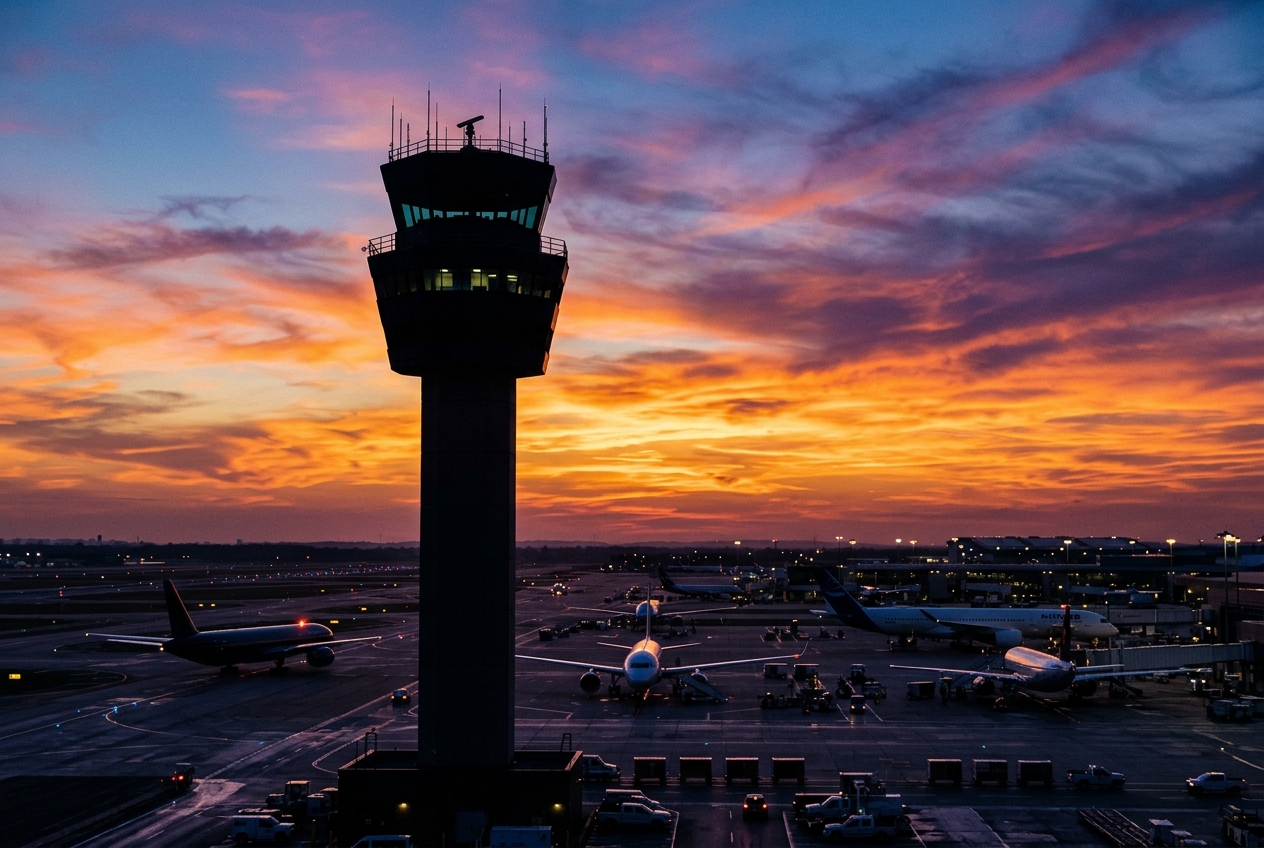
Xi'an Xianyang International Airport (IATA: XIY, ICAO: ZLXY) is the primary commercial airport serving Xi'an, the capital of Shaanxi Province in northwest China. It is one of the busiest airports in inland China, handling tens of millions of passengers annually and serving as a major hub for regional and international connectivity.
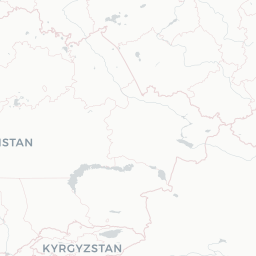
The airport is located approximately 47 kilometers northwest of central Xi'an, in the Xianyang area. It plays a critical role in supporting tourism to Xi'an's world-famous historical sites, including the Terracotta Army and the ancient city walls, as well as facilitating commerce across northwest China.
A major expansion project, including the construction of Terminal 5, has been underway to dramatically increase the airport's capacity and position it as a major international aviation hub in western China.
Terminals
The airport operates multiple terminals, including Terminal 2 and Terminal 3, with Terminal 3 being the largest and handling the majority of domestic and international traffic.
Getting to & from
The airport is connected to central Xi'an by the Metro Line 14 (Airport Line), intercity rail, shuttle buses, and taxis.
Airlines here
China Eastern Airlines and Hainan Airlines use Xi'an as a significant hub, alongside operations by Air China, Shenzhen Airlines, and numerous other domestic and international carriers.
Notable facts
- ›Xi'an Xianyang International Airport handled over 47 million passengers in 2019 before the COVID-19 pandemic.
- ›The airport serves as one of the main gateways for tourism to the UNESCO-listed Terracotta Army.
- ›A massive new Terminal 5 expansion is planned to increase annual capacity to over 80 million passengers.
- ›The airport is located in Xianyang city, administratively separate from Xi'an, approximately 47 km from the city center.
- ›Xi'an is one of China's designated aviation hub cities under the national civil aviation development plan.
This profile is provided for general information only. Details may be inaccurate or outdated — always verify with the airport's official website before acting on them.