
AirlinesAirports.com
Powered by Google TranslateTranslate
Travel planning byTravelerPulse.pro
José Martí International Airport International Hub illustrationInternational Hub
Airports
HAVlarge airport

José Martí International Airport

Havana, Cuba
Explore Havana city guide Navigate to this airport
45
Routes out
31
Destinations
MUHA
ICAO
210 ft
Elevation
AirlinesAirports profile

Cuba's principal international gateway serving Havana.

Opened
1930
Location
Havana, Cuba
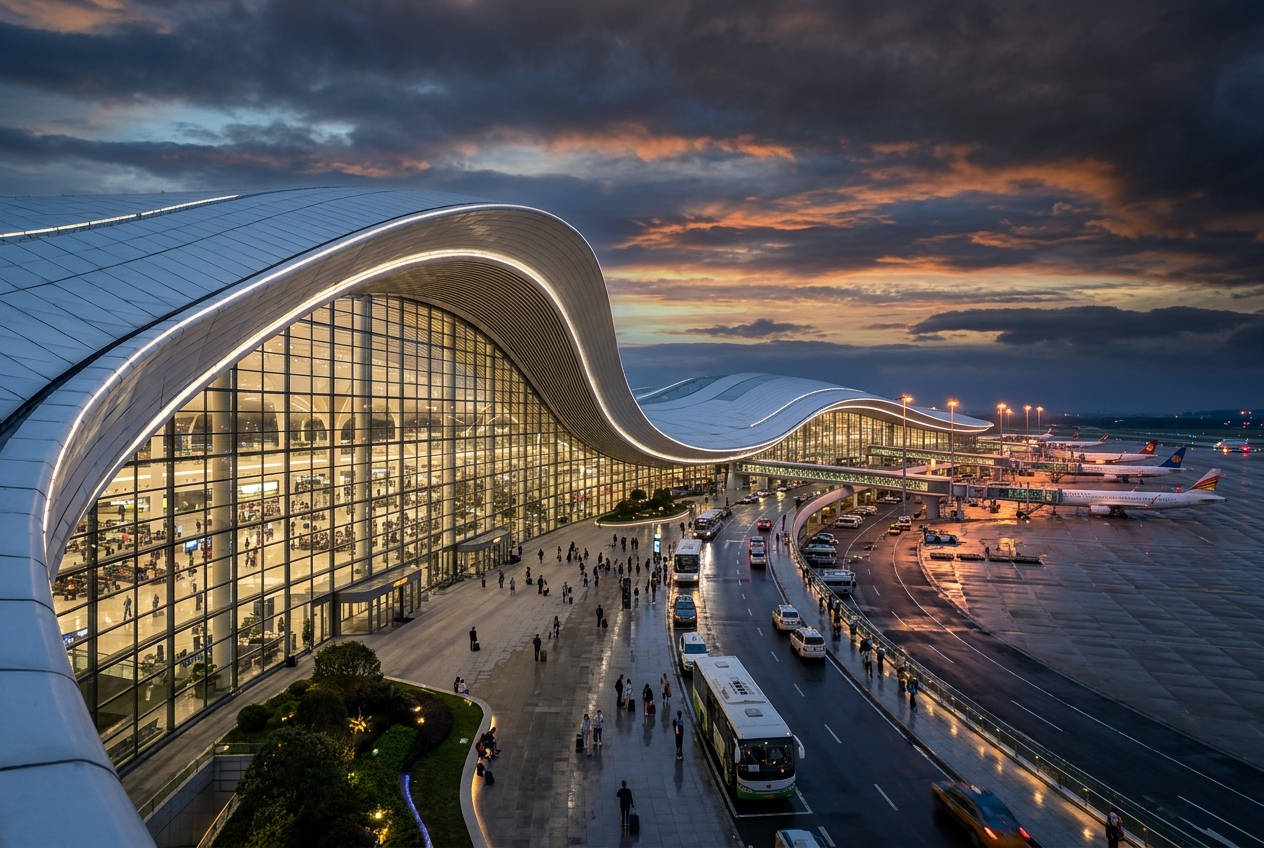
José Martí International Airport is the largest and busiest airport in Cuba, serving as the main international gateway to the capital city of Havana. Located approximately 15 kilometers southwest of the city center in the Rancho Boyeros municipality, it handles the majority of Cuba's international passenger traffic. The airport is named after José Martí, the Cuban national hero and poet who played a central role in the independence movement of the late 19th century. It serves as the primary hub for Cuba's state airline, Cubana de Aviación, and receives flights from carriers across Latin America, Europe, and Canada. The airport has undergone various modernization efforts over the decades, though infrastructure challenges persist. International tourism, particularly from Canada and Europe, drives much of the traffic through the airport.
Terminals
The airport has multiple terminals, with Terminal 3 being the main international terminal and Terminal 2 serving charter and some international flights.
Getting to & from
Ground transport options include taxis and tourist buses connecting the airport to central Havana, approximately 15 kilometers away; public bus service is limited for international travelers.
Airlines here
Cubana de Aviación is the primary hub carrier, with major international service provided by Air Canada, Iberia, Air Europa, LATAM, and various European and Latin American carriers.
Notable facts
  • Named after Cuban national hero and poet José Martí.
  • Located in the Rancho Boyeros municipality, about 15 km southwest of central Havana.
  • Serves as the hub for Cuba's national carrier, Cubana de Aviación.
  • Terminal 3, opened in 1998, is the primary international terminal.
  • Canada is consistently one of the top sources of international passengers due to strong Cuban tourism from Canadian travelers.
This profile is provided for general information only. Details may be inaccurate or outdated — always verify with the airport's official website before acting on them.
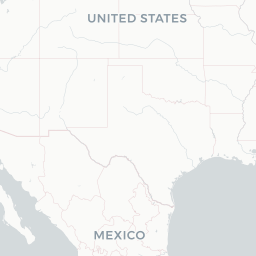
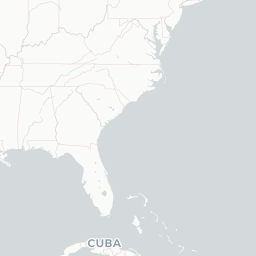
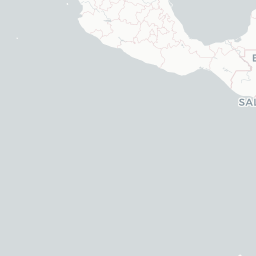
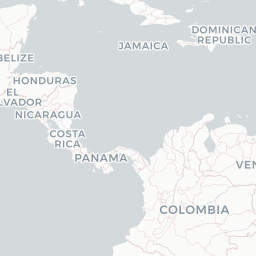
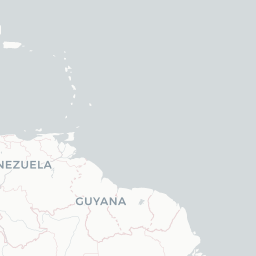
Route map (31 destinations)

Leaflet © OpenStreetMap © CARTO

Routes

HAV → MEX4O · 320
HAV → YYZAC · E90
HAV → CDGAF · 77W
HAV → CUNAM · 737
HAV → MEXAM · 737
HAV → BOGAV · 318 319
HAV → CUNBV · 767
HAV → CYOBV · 767
HAV → HOGBV · 767
HAV → MXPBV · 767
HAV → SCUBV · 767
HAV → BOGCM · E90
HAV → PTYCM · 738 E90
HAV → BOGCU · 319
HAV → CCSCU · T20 320 A58 319
HAV → CMWCU · 320
HAV → CUNCU · 320 319
HAV → EZECU · IL9
HAV → FDFCU · A58
HAV → GAOCU · A58
HAV → HOGCU · A58
HAV → MADCU · IL9
HAV → MEXCU · 320 319
HAV → NASCU · AT4
HAV → ORYCU · IL9
HAV → PMVCU · A58
HAV → PTYCU · 73G
HAV → SCUCU · A58
HAV → SDQCU · 319 A58 T20
HAV → SNUCU · 320
HAV → SVOCU · 332
HAV → FRADE · 767
HAV → LADDT · 772
HAV → UIOEQ · E70
HAV → AMSKL · 330
HAV → GCMKX · 733
HAV → LIMLA · 319
HAV → ZRHLX · 333
HAV → SVOSU · 332
HAV → LIMTA · 319 320
HAV → SALTA · 319 320
HAV → NASUP · 737
HAV → MADUX · 332 333
HAV → CCSV0 · E90
HAV → LGWVS · 744
Hotels near HAV

Pick what matters for your layover or early flight, then compare on your favorite booking site.

Compare stays for your dates

AirlinesAirports may receive compensation when you book or purchase through some of the links on this page, at no additional cost to you. Prices and availability are set by the booking provider and may change. We never share your private trip details with partners — only the destination, dates and party size you searched.

City & Place Guide

Where vintage glamour meets revolutionary spirit on the Caribbean coast.

Havana is a living time capsule, its crumbling colonial architecture and classic 1950s American cars creating an atmosphere unlike anywhere else on Earth. The city pulses with Afro-Cuban music spilling from doorways, street artists painting murals on faded pastel walls, and locals gathering on sun-bleached plazas as they have for generations.

Divided into distinct neighborhoods, each with its own personality, Havana rewards slow exploration on foot. Habana Vieja offers UNESCO-listed baroque plazas and fortresses, while Vedado hides leafy boulevards, jazz clubs, and the sprawling Necropolis Cristóbal Colón. Miramar lends a more residential, embassy-district calm just beyond the city center.

Despite economic hardships, Havana's residents project a warmth and resilience that leaves most visitors deeply moved. English is increasingly spoken in tourist areas, but a few Spanish phrases go a long way toward genuine connection.

  • Plaza de la Catedral — stunning baroque cathedral anchoring Old Havana's most elegant square.
  • El Malecón — iconic five-mile seafront boulevard perfect for sunset strolls and spontaneous music.
  • Museo de la Revolución — former presidential palace telling Cuba's turbulent 20th-century story.
  • Fusterlandia — artist José Fuster's neighborhood blanketed in vivid, Gaudí-inspired mosaic art.
  • Necropolis Cristóbal Colón — monumental 19th-century cemetery filled with remarkable funerary sculpture.
  • Callejón de Hamel — Afro-Cuban alley of murals, altars, and live rumba every Sunday.

Getting around: Havana has no metro system, so visitors rely on classic shared taxis called almendrones for cheap cross-city travel, official metered state taxis for convenience, and coco-taxis (three-wheeled yellow pods) for short hops. Bicitaxis work well within Habana Vieja. Rideshare apps are unavailable due to U.S. sanctions and Cuban internet restrictions, so arrange rides directly or through your accommodation. Renting a bicycle is an increasingly popular and pleasant option for flat coastal neighborhoods.

Best time: November through April offers the most comfortable weather, with lower humidity, minimal rainfall, and temperatures between 20–27 °C (68–80 °F).

Local food: Don't leave without eating ropa vieja (shredded braised beef), tostones (twice-fried plantains), fresh ceviche at a paladar, and sipping a daiquiri at the legendary El Floridita bar once favored by Hemingway.

This guide is provided for general information only. Verify details locally before making travel decisions.

Passport, Visa & Immigration

Flying internationally via HAV? Check entry, transit and customs requirements for Cuba from official government sources.

José Martí International Airport
Encyclopaedia

José Martí International Airport, sometimes known by its former name Rancho Boyeros Airport, is an international airport located in the municipality of Boyeros, 20 kilometres (12 mi) southwest of the centre of Havana, Cuba, and is a hub for Cubana de Aviación and Aerogaviota, and former Latin American hub for the Soviet airline Aeroflot. It is Cuba's main international airport, and serves several million passengers each year. The facility is operated by Empresa Cubana de Aeropuertos y Servicios Aeronáuticos (ECASA).

Read full article on Wikipedia