Overview
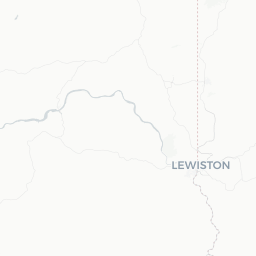
Walla Walla East is a small residential community of roughly 1,600 people situated on the eastern fringe of the Walla Walla urban area in southeastern Washington State. It functions largely as a quieter, outlying part of the broader Walla Walla region rather than a standalone destination with its own commercial core or tourist infrastructure.
For travelers, Walla Walla East is best understood as a gateway neighborhood or overflow base. Its proximity to central Walla Walla—one of the Pacific Northwest's most celebrated wine destinations—means visitors can access award-winning wineries, farm-to-table dining, and the historic downtown within a short drive.
The surrounding landscape is characterized by rolling wheat fields, vineyards, and the gradual rise toward the Blue Mountains to the east. The agricultural character of the area is palpable, and the pace of life is noticeably unhurried compared with larger urban centers.
Before You Go
Walla Walla East has no dedicated tourist office. For trip planning, rely on Visit Walla Walla (the regional tourism organization) for event calendars, winery maps, and accommodation listings—verify their current contact details and resources on their official website.
Visas
Walla Walla East is in the United States. Visa requirements depend on your nationality and travel history. Check TravelerPulse's Visas section and the U.S. Customs and Border Protection website for current entry requirements before booking.
What to pack
- Summers are warm and dry; light layers and sun protection are advisable.
- Spring and fall bring cooler temperatures and occasional rain—a light jacket is useful.
- Winters can bring frost and occasional snow, so warm, waterproof footwear is recommended if visiting between November and February.
- A car is essentially required for this area; public transit options are very limited.
Getting There
The nearest commercial airport is Walla Walla Regional Airport (ALW), located a few miles from Walla Walla East. It offers limited scheduled service; verify current airlines and routes before booking, as schedules change seasonally.
For more flight options, Tri-Cities Airport (PSC) in Pasco, Washington is approximately 50 miles northwest and provides broader connectivity, including connections to major hubs. Portland International Airport (PDX) in Oregon is roughly 4–5 hours by car and is a common choice for those seeking nonstop international or cross-country routes.
By road, Walla Walla East is accessible via US Highway 12, which connects westward through the Columbia Basin toward the Tri-Cities and eastward toward the Idaho state line. Amtrak does not serve Walla Walla directly; the nearest station is in Pasco. Intercity bus service exists but is infrequent—verify current schedules locally.
Getting Around
A personal or rental vehicle is strongly recommended for getting around Walla Walla East and the surrounding region. Distances between wineries, attractions, and services are not practical on foot, and cycling infrastructure is limited outside of central Walla Walla.
Rental cars are available at Walla Walla Regional Airport and potentially in central Walla Walla; verify availability in advance, especially during harvest season (September–October) when demand is high. Rideshare apps may have limited driver availability in this area—check before relying on them.
If wine tasting is the primary goal, consider arranging a designated driver or booking a local winery shuttle or tour operator, as many tasting experiences involve multiple stops. Verify current tour operators through Visit Walla Walla.
Where to Stay
There are no hotels or resorts within the immediate Walla Walla East community itself. Accommodations are concentrated in central and western Walla Walla and include historic inns, boutique hotels, and vacation rental properties.
During harvest season (September–October) and major local events, accommodations in the entire Walla Walla area can fill well in advance. Book early and verify current options through booking platforms or Visit Walla Walla's accommodation directory.
Short-term rental properties (listed on platforms such as Airbnb and Vrbo) may be available in or adjacent to residential areas like Walla Walla East; these can offer a quieter alternative to centrally located hotels.
Things to See & Do
Walla Walla East itself does not have major tourist attractions, but it sits within easy reach of the broader Walla Walla region's offerings.
Wine tasting
The Walla Walla Valley AVA (American Viticultural Area) is one of Washington State's most respected wine regions, known particularly for Cabernet Sauvignon, Merlot, and Syrah. Dozens of tasting rooms are located in and around downtown Walla Walla and along Mill Creek Road, some of which pass through or near the eastern part of the city.
Outdoor recreation
- The Blue Mountains, just to the east, offer hiking, camping, and wildlife viewing in Umatilla National Forest. Verify trail conditions and access with the U.S. Forest Service before heading out.
- Bennington Lake, managed by the U.S. Army Corps of Engineers, is a short drive away and provides fishing, bird watching, and picnicking. Verify current access and facilities locally.
Historic downtown Walla Walla
The historic core of Walla Walla, a short drive west, has museums, galleries, and the Whitman Mission National Historic Site, which commemorates a significant event in Pacific Northwest history. Admission and hours should be verified with the National Park Service.
Food & Drink
Walla Walla East itself has minimal independent dining. Most restaurant and café options are located in central Walla Walla, accessible within a few minutes by car.
The broader Walla Walla dining scene punches above its size, with a concentration of farm-to-table restaurants, wine bars, and casual eateries that lean on regional produce, including the locally famous Walla Walla Sweet Onion—a mild, sweet variety grown in the valley and available fresh in summer.
Farmers' markets operate seasonally in central Walla Walla; verify current days, times, and locations through local listings before visiting. For groceries and everyday provisions, supermarkets in central Walla Walla serve the eastern residential areas as well.
Practical Information
Emergency services
For emergencies in the United States, dial 911. Verify the location of the nearest hospital or urgent care facility upon arrival; Providence St. Mary Medical Center is the major hospital serving the Walla Walla area—confirm its current address and hours locally.
Connectivity
Cell coverage from major U.S. carriers is generally available in the Walla Walla urban area, though signals can become patchy in the Blue Mountains and rural areas to the east. Download offline maps before heading into the backcountry.
Local services
Basic services—gas stations, pharmacies, and grocery stores—are available in central Walla Walla. Walla Walla East residents primarily use these central facilities; do not expect neighborhood-level services within the community itself.
Safety
Walla Walla East is a quiet residential community with no particular safety concerns beyond standard rural and small-town precautions. Road safety deserves attention: highway driving to outlying wineries or the Blue Mountains involves two-lane rural roads; observe speed limits and be alert for farm equipment, especially during summer and harvest months.
If hiking in the Blue Mountains, inform someone of your plans, carry water and a map, and check current fire restrictions with the U.S. Forest Service—wildfire risk in eastern Washington is significant in dry summer months.
Wine country visits: if tasting across multiple wineries, arrange a safe return plan before setting out.