Overview
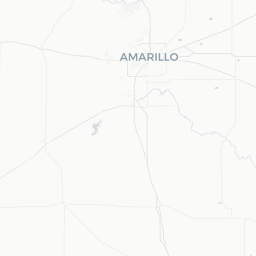
Panhandle is a small, quiet city of roughly 2,300 people in Carson County, located in the heart of the Texas Panhandle about 25 miles east of Amarillo on US Highway 60. It serves as the Carson County seat and functions primarily as an agricultural and ranching community surrounded by wide, flat plains and enormous open skies that define this part of West Texas.
The town is not a conventional tourist destination, but it offers an authentic glimpse into rural Texas life that visitors seeking something off the commercial trail may find genuinely interesting. The landscape here is spare and honest — vast wheat fields, cattle operations, grain elevators, and a small historic downtown that reflects the town's late-19th-century origins.
Most travelers encounter Panhandle as part of a broader Texas Panhandle itinerary that also takes in Amarillo, Palo Duro Canyon State Park, and the Canadian River breaks. Thinking of it as a waypoint or a context-setting stop rather than a standalone destination sets reasonable expectations.
Before You Go
Visas
Panhandle, Texas is in the United States. Entry requirements depend on your nationality. Check TravelerPulse's Visas section and the official US Customs and Border Protection website for current requirements before travel.
Climate
The Texas Panhandle has a semi-arid continental climate. Summers are hot, with temperatures frequently exceeding 95°F (35°C), and winters can be cold with occasional ice storms and blowing snow. Spring brings the region's most volatile weather, including the possibility of severe thunderstorms and tornadoes — monitor forecasts closely if visiting between March and June. Fall is generally the most stable and pleasant season.
What to Bring
- Sun protection (hat, sunscreen, sunglasses) is essential year-round
- Layers for spring and fall when temperatures swing considerably between morning and afternoon
- A full tank of fuel before arriving — services between towns are spaced widely
- Water, particularly in summer; heat and low humidity dehydrate quickly
- A weather app with storm alerts is advisable in spring
Getting There
By Air
The nearest commercial airport is Rick Husband Amarillo International Airport (AMA), approximately 25 miles west of Panhandle via US-60. Rental cars are available at the airport and are the practical means of continuing to Panhandle and the surrounding area.
By Car
Panhandle sits directly on US Highway 60, making it straightforward to reach by road. From Amarillo, the drive east takes roughly 30 minutes. Interstate 40 runs along the south side of Amarillo; travelers on I-40 should connect via State Highway 207 or US-60 east.
By Bus
Scheduled intercity bus service to Panhandle itself is limited. Greyhound serves Amarillo, from which you would need a rental car or private transportation to reach Panhandle. Verify current schedules locally or on the carrier's website, as rural Texas routes change.
Getting Around
A personal vehicle is essentially required to get around Panhandle and the surrounding area. There is no local public transit, and ride-hailing services are unreliable in towns of this size — verify app availability before relying on them.
The town itself is small enough that the historic downtown and most points of interest can be walked once you have parked. Roads in Carson County are mostly straight, well-signed, and lightly trafficked, making self-driving exploration of the surrounding countryside easy.
Things to See & Do
White Deer Land Museum
The most notable cultural attraction in Panhandle is the White Deer Land Museum, which documents the history of Carson County and the broader Texas Panhandle. Exhibits cover Native American history, the cattle ranching era, the arrival of the railroad, and agricultural development. It occupies a historic building in the downtown area. Verify current opening hours and any admission details directly with the museum before visiting, as hours for small local museums can vary seasonally.
Carson County Square House Museum Complex
This is another name commonly associated with the local museum campus, which includes historic structures on its grounds. The complex preserves a sense of what late-19th-century Panhandle life looked like in a hands-on way.
Open Plains Scenery and Road Trips
The landscape itself is the experience for many visitors. The flat, sweeping vistas, dramatic cloud formations, and working agricultural infrastructure give the area a stark, photogenic quality. Driving the rural roads around Carson County at sunrise or sunset can be genuinely memorable.
Day Trips
Panhandle's real value for travelers is often its proximity to more developed regional attractions. Palo Duro Canyon State Park — sometimes called the 'Grand Canyon of Texas' — is about 45 miles southwest and is one of the most visually spectacular places in the state. Amarillo offers additional museums, dining, and the famous Cadillac Ranch art installation.
Food & Drink
Dining options in Panhandle are limited, reflecting the town's small population. There are a small number of local cafes and casual dining spots; expect straightforward American and Tex-Mex fare. Availability of specific restaurants can change — verify options are still operating before relying on any particular establishment.
For broader dining variety, Amarillo is the practical choice and is only a short drive away. Stock the car with snacks and water for any longer drives through the region, as services between rural communities can be infrequent.
Practical Information
Emergency Services
For emergencies anywhere in the United States, dial 911. Carson County has a sheriff's office serving the region.
Fuel and Supplies
Fuel up in Panhandle or Amarillo before heading into more remote areas of Carson County or adjacent counties. Grocery options are basic; for a fuller range of supplies, Amarillo is the regional hub.
Connectivity
Cell coverage in rural areas can be patchy depending on your carrier. Download offline maps (such as Google Maps or Maps.me) before leaving Amarillo.
Banking and ATMs
Verify ATM availability locally. Carrying some cash is advisable when visiting smaller communities where card acceptance may be inconsistent at very small establishments.
Safety
Panhandle is a low-crime rural community. Standard travel common sense applies — secure your vehicle and valuables, and be aware of your surroundings.
The most significant safety considerations in this region are weather-related. Severe thunderstorms, large hail, and tornadoes are real hazards in spring. If a tornado warning is issued, do not attempt to outrun a storm in a vehicle on open plains — seek a sturdy building or low-lying ground away from trees and vehicles. Monitor the National Weather Service (weather.gov) for alerts during storm season.
Summer heat can be dangerous. Stay hydrated, limit exposure during the hottest midday hours, and never leave children or pets in a parked vehicle.