Translate
Overview
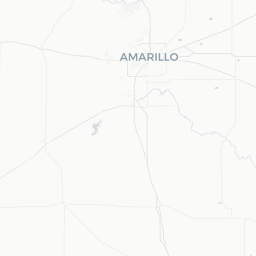
Canyon is a small city of roughly 15,000 people situated in the Texas Panhandle, about 15 miles south of Amarillo on US Highway 87. Sitting at an elevation of nearly 3,600 feet on the flat, windswept Llano Estacado, it serves as the county seat of Randall County and the home of West Texas A&M University.
The city's primary draw for visitors is its proximity to Palo Duro Canyon State Park — often called the 'Grand Canyon of Texas' — whose dramatic red and orange cliffs begin just a short drive east of town. Beyond the canyon, Canyon itself has a quiet, unpretentious character shaped by ranching heritage, university life, and a compact historic downtown.
Most travelers pass through or base themselves in Canyon specifically to access outdoor recreation at Palo Duro, but the Panhandle-Plains Historical Museum on the WT campus is one of the largest history museums in Texas and warrants a stop in its own right.
Before You Go
Visas
Canyon is located in the United States. For visa and entry requirements, check TravelerPulse's Visas section and the official US Customs and Border Protection website, as rules vary significantly by nationality.
Climate
The Texas Panhandle has a semi-arid, continental climate with four distinct seasons. Summers (June–August) can be hot, with daytime highs frequently above 90 °F (32 °C), and afternoon thunderstorms are common. Winters bring periodic cold snaps and occasional snow or ice. Spring and fall offer the most comfortable conditions for hiking and sightseeing, though spring can bring strong winds and the occasional severe thunderstorm.
What to Pack
- Sun protection: sunscreen, sunglasses, and a hat are essential year-round
- Layers for shoulder seasons, as temperature swings between day and night can be significant
- Sturdy walking or hiking footwear if you plan to explore Palo Duro Canyon
- Water bottle — the high desert environment and wind can be dehydrating
Connectivity
Major US carriers provide cellular coverage in Canyon, though signal can drop in deeper sections of Palo Duro Canyon. Download offline maps before entering the park.
Getting There
By Air
The nearest commercial airport is Rick Husband Amarillo International Airport (AMA), approximately 20 miles north of Canyon. It offers nonstop service to several major US hubs. Renting a car at the airport is the most practical option, as there is no regular shuttle or transit service between the airport and Canyon.
By Car
Canyon sits directly on US Highway 87, making it straightforward to reach by road. From Amarillo, the drive south is roughly 15–20 minutes. From Lubbock to the south, the drive is approximately 100 miles on US-87. Interstate 27 also connects Amarillo to Lubbock and passes just east of Canyon.
By Bus
Long-distance bus service (Greyhound and affiliated carriers) operates through Amarillo. Verify current schedules and stops directly with the carrier, as service patterns change. There is no dedicated intercity bus stop in Canyon itself — travelers would need to arrange a ride from Amarillo.
Getting Around
Canyon is a small, spread-out Panhandle town and a personal vehicle is essentially required to get around comfortably. There is no local public transit system serving visitors.
The drive from downtown Canyon to the main entrance of Palo Duro Canyon State Park is approximately 12 miles east on Farm-to-Market Road 217 — a straightforward, well-signed route. Ride-share availability (Uber, Lyft) in Canyon is limited and unreliable; do not depend on it, especially for trips to and from the canyon.
Parking is generally easy and free throughout Canyon's downtown and at most attractions. The state park has its own entry fee and parking areas — verify current fees at the Texas Parks and Wildlife Department's official website before your visit.
Where to Stay
Accommodation in Canyon is limited but functional. The city has a small number of chain motels and independent properties along the main highway corridor. Booking ahead is advisable during peak summer season, holiday weekends, and when major events are taking place at WT or in the park.
Camping within Palo Duro Canyon State Park is a popular and atmospheric option, with sites ranging from primitive to those with electrical hookups. Reservations through the Texas Parks and Wildlife reservation system are strongly recommended, particularly in spring and summer. Verify availability and booking procedures on the official state park reservations portal.
Amarillo, just 15–20 minutes north, offers a much wider range of hotels across all price points if Canyon's limited inventory is full.
Things to See & Do
Palo Duro Canyon State Park
The canyon is Canyon's defining attraction. Carved by the Prairie Dog Town Fork of the Red River, it stretches more than 120 miles long and reaches depths of around 800 feet in places. The park offers hiking, mountain biking, equestrian trails, and scenic drives through layered geological formations in vivid shades of red, orange, and purple. Trail difficulty ranges from easy walks to strenuous ridge hikes. Verify current trail conditions, entry fees, and any seasonal closures with Texas Parks and Wildlife before your visit.
Panhandle-Plains Historical Museum
Located on the West Texas A&M University campus, this is the largest history museum in Texas by collection size. Exhibits cover Panhandle geology, paleontology (including significant fossil finds), Native American history, pioneer ranching life, and regional art. It is a genuinely substantial museum worth several hours. Verify current admission fees and hours on the museum's official website.
TEXAS Outdoor Musical
During summer months, an outdoor amphitheater in Palo Duro Canyon hosts a long-running outdoor musical drama telling the story of the Texas Panhandle. Performances typically run on select evenings from June through August — confirm the current season's schedule and ticket availability on the official production's website, as details change annually.
Downtown Canyon
The small historic downtown has a few local shops, a coffee shop, and restaurants. The courthouse square area reflects the town's early 20th-century Panhandle architecture and is pleasant for a short walk.
Food & Drink
Canyon's dining scene is modest and oriented toward local residents rather than tourists. Expect a mix of family-run Tex-Mex restaurants, burger joints, sandwich shops, and chain fast food. Several sit-down restaurants are clustered around the university area and along the main commercial corridor on 4th Avenue.
For a broader range of dining options — including steakhouses, ethnic cuisine, and craft beer bars — the short drive to Amarillo provides significantly more choice. Many visitors base meals in Amarillo and use Canyon primarily as a sleeping base for the park.
Grocery stores in Canyon allow self-catering, which can be useful if you plan a full day in the park where food options are limited. The park itself has limited or no food concessions depending on the season — verify locally before you go and plan to carry adequate food and water for any hike.
Practical Information
Emergency Services
Dial 911 for all emergencies (police, fire, medical) anywhere in the United States.
Medical
Canyon has basic medical facilities. For more comprehensive care, Amarillo has larger hospitals and urgent care centers. Travel health insurance is advisable for international visitors, as US healthcare costs can be very high.
Money
Major credit and debit cards are accepted at most businesses. ATMs are available in town. Some smaller local establishments may be cash-preferred — it is worth carrying some cash.
Cell and Internet
Wi-Fi is available at most lodging properties. Cellular coverage from major US carriers is generally good in town but can be spotty within the canyon.
Tips on Timing
- The park can be very crowded on summer weekends; weekday visits offer a quieter experience
- Summer afternoon temperatures in the canyon can be extreme — plan hikes for early morning
- The TEXAS musical typically requires advance ticket purchase during peak summer weeks
Safety
Canyon is a low-crime small city and visitors generally encounter no significant safety concerns in town or at the state park.
The primary safety considerations are environmental. Palo Duro Canyon can be genuinely dangerous in summer heat — temperatures at the canyon floor can significantly exceed ambient temperatures, and there is little shade on many trails. Carry far more water than you think you need, start hikes early, and turn back if conditions feel unsafe. Flash flooding is also a real risk after heavy rain; check the weather forecast before entering the canyon and heed any warnings from park staff.
Wildlife in the canyon includes rattlesnakes — watch where you step and place your hands, especially around rocks and brush. Encounters are uncommon but possible, particularly in warmer months.