Translate
Overview
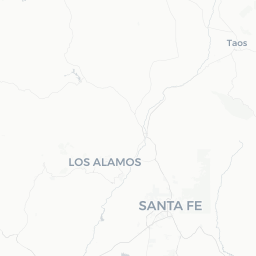
Truchas is a small, centuries-old village perched at roughly 8,000 feet in the Sangre de Cristo Mountains of northern New Mexico, about 25 miles northeast of Santa Fe. With a population of around 560, it is one of the most visually dramatic communities along the High Road to Taos, a scenic byway that threads through a string of traditional Hispanic villages founded under Spanish colonial land grants.
The village's name means "trout" in Spanish, a nod to the streams that historically ran through the area. Truchas retains much of its traditional character: dirt roads wind between adobe homes, acequia irrigation ditches channel snowmelt through the landscape, and many residents maintain deep generational ties to the land. The community is one of the few in the region where the old traditions of weaving, woodcarving (especially religious santos), and subsistence farming have persisted alongside a modest contemporary art scene.
Visitors come primarily for the scenery — Truchas Peak (13,102 ft), one of the highest points in New Mexico, looms directly above — and for the handful of working artist studios and galleries scattered through the village. The pace is deliberately slow. Truchas is not a resort town and has minimal tourist infrastructure, which is precisely its appeal for travelers seeking authenticity over convenience.
Before You Go
Truchas has very few commercial services. There is no gas station within the village; fill up in Española or Chimayó before heading up. Cell signal can be unreliable in the mountains, so download offline maps before you arrive.
Winters bring significant snow and ice. NM-76, the main road through the village, can be icy from November through March. Check road conditions through the New Mexico Department of Transportation before traveling in cold months. A vehicle with all-wheel or four-wheel drive is advisable outside of summer.
Visas
Truchas is located in the United States. For visa requirements, check TravelerPulse's Visas section and the official U.S. Customs and Border Protection website for the most current entry rules applicable to your nationality.
- Weather: Afternoon thunderstorms are common July–August; start any hiking early.
- Altitude: At ~8,000 ft, visitors from low elevations may feel mild altitude effects. Stay hydrated and pace yourself.
- Services: No ATM in the village; bring cash if you plan to purchase from local artists or market stalls.
Getting There
Truchas is accessible by car via NM-76 (the High Road to Taos), turning east off US-285/84 at Nambé or from Taos heading south. The drive from Santa Fe is approximately 45–55 minutes under normal conditions; from Taos, roughly 40 minutes via NM-518 and NM-76.
The nearest major airports are Santa Fe Regional Airport (SAF) and Albuquerque International Sunport (ABQ), roughly 1.5–2 hours from Truchas by car. No commercial bus or shuttle service serves Truchas directly. A rental car or personal vehicle is effectively required.
The High Road is a two-lane mountain highway. Drive cautiously, especially on curves and during or after rain. Pull completely off the road when stopping to photograph the scenery.
Getting Around
Truchas is small enough to explore almost entirely on foot once you park your car. The village stretches along a ridge, and walking between the main cluster of homes, the church, and any open galleries typically takes under 30 minutes.
There is no public transit, taxi, or rideshare service. Your own vehicle is necessary for reaching the village and for day trips to surrounding areas such as Chimayó, Ojo Sarco, or Trampas. Roads within the village include unpaved sections; drive slowly and watch for free-ranging livestock.
Things to See & Do
Scenic Viewing and Photography
The view of Truchas Peak and the broader Sangre de Cristo range from the village ridge is one of the most photographed in northern New Mexico. Early morning light on the mountains and the adobe rooftops is particularly striking. The surrounding high desert and montane landscape offers excellent landscape photography opportunities throughout the day.
Artist Studios and Galleries
Truchas has attracted painters, sculptors, weavers, and woodcarvers for decades. Several working studios open to visitors, though hours vary and many operate by appointment or on an informal basis — a hand-lettered sign by the road is often the only advertisement. The Truchas Community Council occasionally organizes open studio events; verify locally for current schedules. Purchase directly from artists when possible; it is the most meaningful way to support the community.
Nuestra Señora del Rosario Church
The village church, built in the Spanish colonial tradition, is a notable example of adobe ecclesiastical architecture in New Mexico. It is an active parish; visitors should behave respectfully and check whether it is open to the public before entering.
High Road to Taos Scenic Byway
Truchas is one of several villages along this officially designated scenic byway. Combining a visit here with stops in Chimayó (El Santuario de Chimayó), Las Trampas (San José de Gracia Church, a National Historic Landmark), and Ranchos de Taos makes for a full and rewarding day drive.
Hiking Access
The Carson National Forest and Pecos Wilderness border the village. Trailheads in the area provide access to high-country hiking, though trails can require some local research to locate. Verify trailhead access and current conditions with the U.S. Forest Service before setting out.
Food & Drink
Truchas has no sit-down restaurant as of the time of writing. Visitors should eat before arriving or plan to dine in Chimayó (roughly 10 miles west on NM-76), where Rancho de Chimayó is a well-known traditional New Mexican restaurant — verify current hours and reservations before visiting.
Occasionally, local residents sell tamales, baked goods, or produce from home; look for handmade signs along the road. For a full range of dining options, Española (approximately 20 miles west) has grocery stores and multiple restaurants. Taos, about 40 miles north, offers a broad selection of dining.
Bring water and snacks if you plan to spend extended time in the village or hiking in the surrounding area.
Practical Information
- Emergency services: Call 911. The nearest hospital is in Española or Santa Fe; response times to remote mountain villages can be longer than in urban areas.
- Restrooms: No public restrooms are guaranteed in the village. Plan accordingly before you arrive.
- Shopping: A small number of artist studios sell work directly. Cash is often preferred; do not assume card readers are available.
- Respect: Truchas is a living community, not a museum or tourist attraction. Photograph people only with permission. Do not enter private property to get a better shot of an adobe home or view.
- Leave No Trace: If you hike into surrounding national forest land, pack out all waste. Water sources require treatment before drinking.
- Signal and connectivity: Mobile coverage is intermittent. Download maps, directions, and any needed information before leaving a town with reliable service.
Safety
Truchas is a quiet, low-crime village. The primary safety considerations are environmental and logistical rather than personal security.
- Mountain weather can change rapidly. Afternoon lightning storms in summer are a genuine hazard above treeline.
- Road conditions in winter can be dangerous. Check NMDOT road reports before driving NM-76 in snow or ice.
- Wildlife: Black bears are present in the surrounding forest. Follow standard bear safety practices if hiking.
- Altitude illness is possible for visitors arriving quickly from lower elevations. Symptoms include headache, nausea, and fatigue. Descend and rest if symptoms are significant.
- Always carry more water than you think you need in the high desert environment.
Local Culture & Etiquette
Truchas was established as a Spanish colonial settlement in the mid-18th century on land granted by the Spanish Crown. The village sits within the broader tradition of Hispano culture in northern New Mexico, a distinct regional identity that blends Spanish colonial, Indigenous, and later Anglo-American influences over several centuries.
Religion, land, and craft remain central to community identity. The Catholic faith is deeply embedded in village life, and the acequia system — communal irrigation ditches managed collectively — continues to function as both practical infrastructure and a living cultural institution. Santero (saint-carving) and weaving traditions with roots in the colonial period have been maintained and in some cases revived by local artisans.
Visitors are guests in a community with a long and layered history. Approach interactions with humility and genuine curiosity rather than as consumers of "local color." Buying directly from resident artists, asking respectful questions, and not treating the village as a backdrop for social media content are all ways to engage meaningfully.