Overview
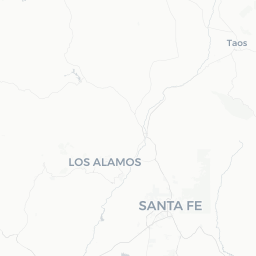
Velarde is a small agricultural village of roughly 500 people situated in the Rio Grande del Norte corridor of Northern New Mexico, between Española and Dixon along NM-68. The village sits at the confluence of the Rio Grande and the Embudo River, surrounded by dramatic canyon walls and high desert mesas.
The community has deep roots in Spanish Colonial settlement dating back several centuries, and it maintains a strong sense of place through its farming traditions, acequia (irrigation ditch) culture, and Catholic heritage. Velarde is not a tourist destination in the conventional sense — there are no large hotels or major attractions — but it draws visitors who appreciate authentic rural New Mexico, particularly during the fall fruit harvest.
The village is perhaps best known locally for its roadside fruit stands that appear in late summer and autumn, selling apples, pears, chile, and cider pressed from orchard fruit grown along the fertile Rio Grande floodplain. Traveling through Velarde on NM-68 or the scenic High Road to Taos (NM-76) gives travelers a window into a way of life that has changed relatively little over generations.
Before You Go
Velarde has very limited services — no hospital, no pharmacy, and minimal retail. Stock up on supplies, fuel, and cash in Española (roughly 15 miles south) or Taos (roughly 30 miles north) before arriving.
Visas: Entry requirements depend on your nationality. Check TravelerPulse's Visas section and the official U.S. Customs and Border Protection website for current requirements.
Seasons to consider:
- Spring (April–May): Orchards bloom, roads are clear, crowds are minimal.
- Summer (June–August): Hot afternoons in the canyon; some afternoon monsoon storms from July onward.
- Fall (September–October): Peak harvest season — the most popular time to visit. Roadside stands sell fresh and dried chile, apples, and cider.
- Winter (November–March): Cold; some mountain roads may be icy. Many roadside stands close.
Cell service can be spotty in the canyon. Download offline maps before your trip.
Getting There
Velarde is accessible by car via NM-68, the main highway connecting Española and Taos. The drive from Santa Fe takes approximately one hour; from Taos, around 40 minutes.
Nearest commercial airports:
- Santa Fe Regional Airport (SAF): Roughly 50 miles south; limited national connections.
- Albuquerque International Sunport (ABQ): About 90 miles south; the primary regional hub with the widest flight options.
No public bus or rail service stops directly in Velarde. New Mexico's North Central Regional Transit District (NCRTD) operates regional routes in the area — verify current schedules and stops on the NCRTD website, as service and routes change. A personal vehicle is the practical way to reach and explore the village.
Getting Around
A personal vehicle is essential in Velarde. The village stretches along NM-68 and the adjacent county roads that wind into orchards and residential areas. There is no local transit, no taxi service, and rideshare coverage is unreliable in this area.
The roads are generally paved and manageable for standard vehicles, though some orchard access roads are unpaved. Cyclists occasionally travel NM-68 and the High Road, but be aware that NM-68 has relatively narrow shoulders and moderate truck traffic through the canyon.
Things to See & Do
Velarde's appeal is low-key and tied to the land and landscape. Visitors come to slow down, not check off a list.
Orchard and Roadside Stands
In late summer and especially September through October, family-run roadside stands along NM-68 sell locally grown apples (including heritage varieties), pears, fresh and dried red and green chile, apple cider, and jams. This is the primary reason most travelers stop in Velarde. Stand availability and inventory vary by family and season — verify locally.
Rio Grande Canyon Scenery
The drive through the Rio Grande canyon on NM-68 is itself an attraction, with sheer basalt walls and river views. Roadside pullouts allow for short stops and photography.
High Road to Taos
NM-76, accessible from Velarde, forms part of the scenic High Road to Taos — a loop route passing through villages including Truchas, Las Trampas, and Chimayó. This is one of the more celebrated scenic drives in the Southwest.
Acequia Culture
Velarde's acequia system — the community-managed earthen irrigation channels that have sustained the orchards for generations — is a living example of one of the oldest water-sharing traditions in North America. Observing the landscape with this context in mind adds historical depth to a visit.
Nearby Outdoor Recreation
The Bureau of Land Management (BLM) lands along the Rio Grande offer fishing, hiking, and wildlife watching in the broader corridor. Confirm access points and current conditions with the BLM Taos Field Office before visiting.
Food & Drink
Velarde itself has very limited dining options — verify locally whether any small establishments are currently operating, as businesses in villages of this size open and close without wide notice.
For sit-down meals, most visitors continue to nearby Dixon (a few miles east, known for its small wine-growing community and the annual Dixon Studio Tour), or drive to Española or Taos, both of which have a wider range of restaurants specializing in New Mexican cuisine.
The roadside fruit stands during harvest season are arguably the most authentic culinary experience Velarde offers — fresh-pressed apple cider, dried ristras of chile, and local produce are all worth purchasing if you pass through in autumn.
Practical Information
Emergency services: Dial 911 for all emergencies. The nearest hospital is in Española; verify the current facility with local emergency services or Rio Arriba County before your trip.
Fuel: No gas stations are known to operate within Velarde itself — fill up in Española or Taos.
ATMs and banking: None confirmed in the village. Bring cash, as many roadside stands operate cash-only.
Connectivity: Mobile coverage is inconsistent in the Rio Grande canyon. Major carriers may have gaps. Download maps and information before arriving.
Altitude: Velarde sits at approximately 5,600 feet (1,700 m). Visitors from lower elevations may notice mild effects — stay hydrated, especially in summer.
Weather: Summers bring afternoon monsoon thunderstorms, typically July through early September. Lightning and flash flooding can occur quickly in canyon terrain. Check forecasts before outdoor activities.
Safety
Velarde is a quiet, low-crime rural village. Standard rural travel awareness applies: let someone know your itinerary, carry water and a first-aid kit if venturing into backcountry areas, and have a plan for limited cell service.
Flash flooding is a real hazard in the Rio Grande canyon during monsoon season (roughly July–September). Do not attempt to cross flooded washes or canyon roads. Heed any road closure signs.
Respect private property — orchards and farmland throughout the village are privately owned. Ask permission before entering any agricultural area.
Local Culture & Etiquette
Velarde is a traditional Northern New Mexico Hispanic village with roots in Spanish Colonial settlement. The community's identity is closely tied to its Catholic faith, agricultural practices, and the Spanish language — many long-time residents are bilingual, and Spanish may be the preferred language in some contexts.
The acequia system is not just agricultural infrastructure; it is a communal institution with elected leadership (a mayordomo) and deeply held traditions around water rights and community cooperation. Visitors should understand this when observing or asking about local farming.
Travel here with respect for the community's privacy and pace of life. This is a place where people live and work, not a curated visitor experience. Photograph thoughtfully and ask permission when in doubt.