Overview
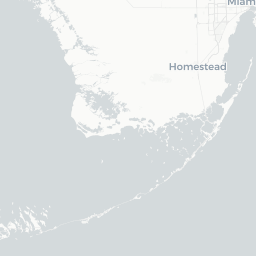
Tavernier is a small, unincorporated community in Monroe County, Florida, situated near the northern end of the Florida Keys on Key Largo. With a population of roughly 2,100 residents, it occupies a quiet stretch of US-1 (the Overseas Highway) between the larger tourist hub of Key Largo to the north and Islamorada to the south.
The town retains a distinctly local character that distinguishes it from the more commercially developed parts of the Keys. Its historic downtown along Old Highway features a handful of older buildings, modest businesses, and a slower pace that many visitors find appealing after the bustle of Key Largo.
Tavernier sits adjacent to some of the most ecologically significant waters in the continental United States. The Florida Keys National Marine Sanctuary, which protects the only living barrier coral reef in the contiguous US, is accessible directly from the area. This makes Tavernier a practical and often quieter base for divers, snorkelers, anglers, and wildlife watchers.
Before You Go
Visas and Entry
Tavernier is part of the United States. For visa and entry requirements, visit TravelerPulse's Visas section and consult the official US Customs and Border Protection website (cbp.gov) for current rules.
Weather and Seasons
The Florida Keys have a subtropical climate with two broad seasons. The dry season (November–April) brings lower humidity, temperatures in the mid-60s to low 80s°F, and generally calm water conditions ideal for reef activities. The wet season (May–October) is hotter and more humid, with frequent afternoon thunderstorms and the possibility of tropical storms or hurricanes — peak hurricane season runs June through November.
What to Pack
- Reef-safe sunscreen (required by Florida law in state parks; conventional sunscreens may be restricted in certain marine areas)
- Lightweight, breathable clothing year-round
- Rain layer if visiting in summer
- Water shoes or sandals suitable for boat boarding
- Insect repellent, particularly near mangrove areas
Health Considerations
No special vaccinations are required for travel within the United States. The sun is intense year-round; hydration and sun protection are practical priorities. Jellyfish and stinging coral exist in local waters — verify current conditions with any dive or snorkel operator before entering the water.
Getting There
By Air
The nearest major airport is Miami International Airport (MIA), approximately 55–65 miles north of Tavernier depending on route. Fort Lauderdale-Hollywood International Airport (FLL) is a viable alternative, though it adds some distance. Key West International Airport (EYW) serves the Lower Keys and is farther south. Tavernier has no commercial air service of its own.
By Car
Driving is the most practical way to reach Tavernier. From Miami, take the Florida Turnpike south to US-1 (the Overseas Highway) and continue south through Key Largo — Tavernier is roughly at Mile Marker 91–92. The drive typically takes 1.5 to 2 hours from Miami under normal traffic conditions, though US-1 is a single highway through the Keys and traffic can back up significantly during weekends and holidays.
By Bus
Florida Keys Shuttle and similar shared-ride services operate between Miami Airport and points along the Keys including Tavernier. Verify current schedules, stops, and fares directly with providers, as service frequency varies by season.
By Boat
Private and charter boat access is possible via Florida Bay or the Atlantic, with several marinas in the area. Verify slip availability and facilities locally.
Getting Around
A personal vehicle is effectively essential for getting around Tavernier and the surrounding Keys. The community is spread along US-1 and its side roads, and distances between points of interest are not always walkable.
Ride-share services (Uber, Lyft) operate in the Upper Keys area, but availability can be inconsistent, particularly outside peak hours or in more rural stretches. Verify availability before relying on them.
Bicycling is feasible for some local errands and short trips — the Keys have an ongoing effort to develop the Florida Keys Overseas Heritage Trail, portions of which pass through the area. However, US-1 itself carries fast-moving traffic, so route selection matters for cyclists.
For water-based exploration, kayak and paddleboard rentals are available from outfitters in the area. Many visitors also book half-day or full-day fishing and snorkel charters that depart from local marinas.
Where to Stay
Tavernier has limited hotel infrastructure compared to neighboring Key Largo or Islamorada. Accommodation options lean toward smaller motels, vacation rental properties, and a few fishing-oriented lodges rather than large resorts. Short-term vacation rentals (via platforms such as Vrbo and Airbnb) are common throughout the Upper Keys and often represent the best option for those wanting a kitchen or more space.
Key Largo, immediately to the north, has a significantly larger selection of hotels, resorts, and dive-oriented lodges at various price points. Many visitors choose to stay in Key Largo and day-trip south through Tavernier toward Islamorada.
Because this is a small community, it is advisable to book well in advance for travel during the dry-season peak (particularly January–April) and around major holidays. Last-minute availability can be extremely limited.
Things to See & Do
Reef and Water Activities
Access to the Florida Keys National Marine Sanctuary is one of the primary draws. Snorkeling and scuba diving on the offshore reef system is possible through local dive operators who run trips to sites such as Molasses Reef and other nearby formations. Verify current dive shop listings locally, as businesses in small Keys communities change.
Florida Keys Wild Bird Center
Located in Tavernier, this nonprofit rehabilitation center cares for injured and orphaned native birds and maintains a walkable boardwalk where recovered or non-releasable birds can be observed at close range. It is a low-key, genuinely worthwhile stop — verify current hours and any admission policies directly with the center before visiting.
Fishing
Sport and flats fishing — including bonefish, tarpon, and permit — are major activities in the Upper Keys. Numerous fishing guides and charter captains operate from marinas in and around Tavernier. Saltwater fishing licenses are required for visitors; verify current requirements with the Florida Fish and Wildlife Conservation Commission (myfwc.com).
Kayaking and Paddleboarding
The backcountry waters of Florida Bay on the Gulf side offer calm, shallow paddling through mangrove channels and seagrass flats. Wildlife sightings — including manatees, dolphins, ospreys, and wading birds — are common. Outfitters in the area offer rentals and guided tours; verify locally for current providers.
Historic Old Highway
A short stretch of the original pre-Overseas Highway road runs through Tavernier's historic district, offering a glimpse into the Keys' pre-tourism era with older commercial buildings and a quieter streetscape than US-1 itself.
Food & Drink
Tavernier's dining scene is modest and locally oriented rather than destination-driven. The community has a small number of independent restaurants and casual eateries, with fresh seafood — including fish, stone crab in season, and shrimp — featuring prominently on local menus.
For a broader range of dining options, Islamorada (just south, around Mile Marker 80–90) and Key Largo (north) offer more variety, including waterfront restaurants, fish houses, and casual bars. Many visitors base themselves in Tavernier and drive short distances for evening meals.
Grocery shopping is available locally; a Winn-Dixie supermarket has historically served the community, though verify current options locally. Stocking up in the Miami area before arriving is a practical approach for self-catering travelers, as prices in the Keys tend to be higher than on the mainland.
A note on alcohol: Florida allows alcohol sales in most retail contexts. The Keys have a relaxed bar culture, and waterfront tiki bars are a regional institution.
Practical Information
Emergency Services
Dial 911 for police, fire, or medical emergencies anywhere in the United States. The nearest hospital with emergency services is Mariners Hospital, located in Tavernier — verify its current status, services, and contact information directly, as facilities in small Keys communities can change.
Connectivity
Cell service and mobile data are generally available along US-1 through Tavernier, though coverage can become patchy on the water or in backcountry areas. Most lodgings and many businesses offer Wi-Fi.
Money
ATMs are available locally but not in large numbers. It is practical to carry some cash for smaller vendors, charter tip payments, and bait shops. Major credit cards are widely accepted at established businesses.
Fuel
Gas stations are present in Tavernier and nearby Key Largo. Fuel prices in the Keys are typically higher than the Florida mainland average. Fill up before heading further down the Keys if you are planning an extended drive.
Mile Markers
Addresses and navigation in the Keys use a mile marker (MM) system running from MM 126 near Florida City down to MM 0 in Key West. Tavernier sits roughly at MM 91–92. Understanding this system helps with navigation and reading local directions.
Safety
Tavernier is a small residential community with a generally low crime rate. Standard travel precautions apply — secure valuables in your vehicle out of sight, particularly at boat ramps and beach access points.
Water safety is the more relevant concern for most visitors. Rip currents, boat traffic in channels, strong tidal flows, and the possibility of sunburn and dehydration are practical risks. Follow guidance from any outfitter or charter captain, and do not snorkel or dive alone.
Hurricane preparedness is important for anyone visiting between June and November. Monitor the National Hurricane Center (nhc.noaa.gov) for forecasts. The Keys sit on a narrow island chain with limited evacuation routes — if an evacuation order is issued, leave promptly and follow Monroe County Emergency Management guidance.
Wildlife in the area includes jellyfish, barracuda, fire coral, and occasional sharks offshore — none of these present unusual danger to respectful, attentive visitors, but situational awareness in the water is always appropriate.