Translate
Overview
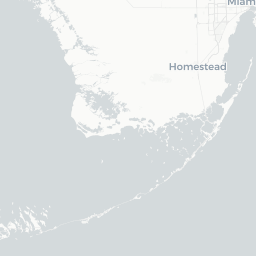
Islamorada — pronounced eye-la-muh-RAH-dah — is a village spanning several islands in the Upper Florida Keys, roughly 75 miles (120 km) southwest of Miami along the Overseas Highway (US-1). Despite an official population of around 7,000, it draws far more visitors than its size suggests, largely because it sits atop some of the most productive nearshore and offshore fishing grounds in North America.
The village incorporates five islands: Plantation Key, Windley Key, and the three Matecumbe Keys. Each has its own character, but together they form a compact, walkable-from-your-resort kind of destination where the Atlantic Ocean lies to one side and Florida Bay to the other, giving anglers and snorkelers two distinct ecosystems within a short boat ride.
Islamorada brands itself the 'Sport Fishing Capital of the World,' and while that claim is promotional, the fishing credentials are genuine. Tarpon, bonefish, permit, mahi-mahi, sailfish, and blackfin tuna are among the species pursued here year-round. Non-fishing visitors come for snorkeling and diving on the nearby coral reef tract, kayaking through mangrove tunnels, and a slower pace of life compared to Miami or Key West.
The vibe is casual and unpretentious. High heels and formal attire are rare; flip-flops and sun-faded T-shirts are the norm. That informality extends to dining and nightlife, which skew toward open-air waterfront settings rather than white-tablecloth elegance.
Before You Go
Visas and Entry
Islamorada is a US destination. Entry requirements depend on your nationality. Check TravelerPulse's Visas section and the US Customs and Border Protection website (cbp.gov) for current rules applicable to your passport.
When to Go
The dry season runs roughly November through April. Temperatures are warm but manageable (daytime highs typically in the low-to-mid 70s°F / low 20s°C), humidity is lower, and the risk of afternoon thunderstorms drops significantly. This is also peak tourist season, so accommodation demand is higher.
May through October is the wet season. Summer temperatures and humidity are high, and the region can be affected by tropical storms or hurricanes, particularly August through October. That said, summer brings excellent offshore fishing and lower accommodation rates outside of holiday weekends.
What to Pack
- Reef-safe, mineral-based sunscreen (Florida law restricts certain chemical sunscreens near coral reefs — verify current regulations before you travel)
- Lightweight, moisture-wicking clothing and a light layer for air-conditioned interiors
- Water shoes or sandals with grip for boat docks and rocky shoreline
- Insect repellent — no-see-ums and mosquitoes are active near mangroves, especially at dusk
- Polarized sunglasses, useful both on the water and while driving the Overseas Highway
Health Notes
No vaccinations are specifically required for travel within the United States. Travelers arriving from abroad should consult their home country's health authority for any requirements. Tap water in the Keys is safe to drink but is piped from the mainland; some visitors prefer bottled water for taste.
Getting There
By Air
The nearest major airport is Miami International Airport (MIA), approximately 75–90 miles (120–145 km) northeast depending on your destination on the island chain. Fort Lauderdale-Hollywood International Airport (FLL) is slightly farther by road but may offer cheaper fares — compare both when booking. Key West International Airport (EYW) is about 65 miles (105 km) to the southwest and handles regional and select nonstop routes.
There is a small general aviation airstrip on Plantation Key (Florida Keys Marathon Airport is farther south), but it does not serve scheduled commercial flights.
By Car
Driving is by far the most practical way to reach Islamorada. From Miami, take the Florida Turnpike south to US-1 (Overseas Highway) at Florida City, then continue south through the Card Sound Road option or the main US-1 corridor. The drive takes roughly 1.5–2 hours from Miami under normal traffic conditions; expect longer on busy holiday weekends, particularly Friday afternoons heading south and Sunday afternoons heading north.
Mile markers (MM) are the standard navigational reference in the Keys. Islamorada spans approximately MM 91 down to MM 73. When looking up addresses or giving directions locally, mile markers are more useful than street addresses.
By Bus
Florida Keys Shuttle (verify current service and schedules at floridakeyshuttle.com) operates shared-ride van service connecting Miami International Airport and Key West, with stops along the Overseas Highway including Islamorada. This is a practical option for travelers without a car, though schedules are limited.
Getting Around
A personal vehicle or rental car is effectively essential for getting around Islamorada. The island chain is linear — everything sits along US-1 — and distances between restaurants, parks, and marinas are often too far for comfortable walking, particularly in summer heat.
Bicycles are used by some visitors, particularly those staying at resorts that rent them on-site. The Overseas Heritage Trail, a paved multi-use path, runs through portions of Islamorada and provides a safer off-road alternative to cycling along US-1, which carries fast-moving traffic. Verify which trail segments are complete in your area before planning a long ride.
Golf carts are popular at some resorts for on-property movement but are generally not street-legal on US-1. Ride-sharing apps (Uber, Lyft) have coverage in the area, but availability can be inconsistent, especially late at night or during busy weekends — do not rely on them as your sole option.
Boat rentals are available at several marinas and are a legitimate means of transportation to nearby sandbars, islands, and reef sites. If you are not experienced operating a boat in shallow-water flats environments, consider booking a guided trip rather than a self-guided rental.
Things to See & Do
Fishing
Islamorada's fishing reputation rests on two distinct environments. The Atlantic side offers access to the Florida Reef Tract and deeper offshore waters for species like sailfish, mahi-mahi, and tuna. The Florida Bay (backcountry) side offers shallow-water flats fishing for tarpon, bonefish, and permit — three of the most challenging and sought-after light-tackle targets in the world. Dozens of licensed guides operate out of local marinas; booking in advance, especially in winter, is strongly recommended.
Snorkeling and Diving
The Florida Keys National Marine Sanctuary protects the reef system just offshore. Popular snorkel and dive sites accessible from Islamorada include Cheeca Rocks, Hen and Chickens Reef, and the wrecks of the Duane and Bibb, two U.S. Coast Guard cutters intentionally sunk as artificial reefs. Several dive operators in the village offer guided trips and equipment rental.
Theater of the Sea
Located near MM 84.5 on Windley Key, Theater of the Sea is a long-established marine mammal park featuring dolphin and sea lion programs, a lagoon snorkel, and displays of local marine life. It is one of the oldest marine parks in the country. Verify current programs, admission fees, and reservations required at their official site before visiting.
Windley Key Fossil Reef Geological State Park
This small state park preserves exposed ancient coral reef rock quarried in the early 20th century for railroad construction. Short trails and interpretive displays explain the geology. Check the Florida State Parks website for current hours and admission fees.
Anne's Beach and Robbie's of Islamorada
Anne's Beach (near MM 73.5) is a free public beach on the ocean side with shallow, calm water — one of the more family-friendly swimming spots in the village. Robbie's Marina (near MM 77.5) is a busy waterfront hub where you can hand-feed tarpon from the docks, rent kayaks, book fishing charters, and browse a small waterfront market.
Kayaking and Paddleboarding
Mangrove creeks, shallow bays, and protected coves make Islamorada well-suited to paddling. Several outfitters offer kayak and stand-up paddleboard rentals and guided eco-tours through mangrove tunnels — a good way to observe wildlife including wading birds, sea turtles, and manatees.
Food & Drink
Islamorada's dining scene centers on fresh seafood, casual waterfront settings, and a generally relaxed atmosphere. Dress codes are rare. Reservations are advisable at busier establishments during peak season (December through March and major holiday weekends).
What to Eat
Conch fritters, stone crab claws (in season roughly October through May — verify current season dates), Florida spiny lobster (in season August through March), fresh-caught yellowtail snapper, and Key lime pie are the regional standards worth seeking out. Many restaurants will prepare your own catch if you bring it in from a charter — ask about this when booking.
Dining Areas
Most restaurants cluster along US-1 between MM 80 and MM 85, with additional options near the marina at Robbie's and scattered along the bayside. Open-air, tiki-style bars with live music are common. Happy hours are widely observed and can represent good value for drinks and bar bites.
Groceries and Self-Catering
If you are staying in a vacation rental or longer-term accommodation with a kitchen, there are grocery stores in the village (verify locations locally). Stock up on supplies in Florida City or Homestead if you are driving down, as selection and prices in the Keys reflect the cost of shipping goods to an island chain.
Practical Information
Money
Credit and debit cards are widely accepted. ATMs are available at banks and some convenience stores along US-1. As with any tourist area, check for card fees when withdrawing cash.
Connectivity
Cell service from major US carriers (Verizon, AT&T, T-Mobile) is generally reliable along US-1 through Islamorada, though signal can drop in more remote backcountry areas on the water. Most hotels and resorts offer Wi-Fi.
Emergency Services
Call 911 for all emergencies. The nearest hospital with full emergency services is in Tavernier (Mariners Hospital) to the northeast, or facilities in Homestead/Miami for more complex care. Verify locations and services locally.
Tipping
Standard US tipping conventions apply: 18–20% at restaurants, $1–2 per drink at bars, and gratuity for fishing guides is customary — ask locally what is standard for the length and type of trip.
Hurricane Preparedness
If visiting during hurricane season (June 1 – November 30), monitor the National Hurricane Center (nhc.noaa.gov) and be prepared to follow mandatory evacuation orders if issued. Evacuation routes lead northeast on US-1 to the mainland. Do not delay evacuating if authorities issue an order — the road through the Keys can become severely congested.
Safety
Islamorada is generally a low-crime destination. The primary safety concerns are environmental rather than criminal.
Sun and heat: The subtropical sun is intense year-round. Apply broad-spectrum SPF 30+ sunscreen frequently, wear a hat and UV-protective clothing on the water, and stay hydrated. Heat exhaustion is a real risk for visitors unaccustomed to the climate, particularly in summer.
Marine hazards: If you are snorkeling or diving, be aware of boat traffic in designated channels, fire coral (which causes skin irritation on contact), and the importance of not touching coral reef structures. Jellyfish are periodically present depending on currents and season. Strong tidal currents exist at some sites — consult your dive operator or rental outfitter about conditions on the day.
Boating: If renting a boat, familiarize yourself with the shallow-water flats environment. Running aground on seagrass beds or coral is both ecologically damaging and potentially costly — damage to protected habitat can result in significant fines. Follow posted speed zones, which are strictly enforced in manatee protection areas.
Road safety: US-1 through the Keys is a narrow two-lane highway with significant traffic. Drive attentively, observe speed limits, and be cautious of cyclists and pedestrians, especially near popular spots.