Translate

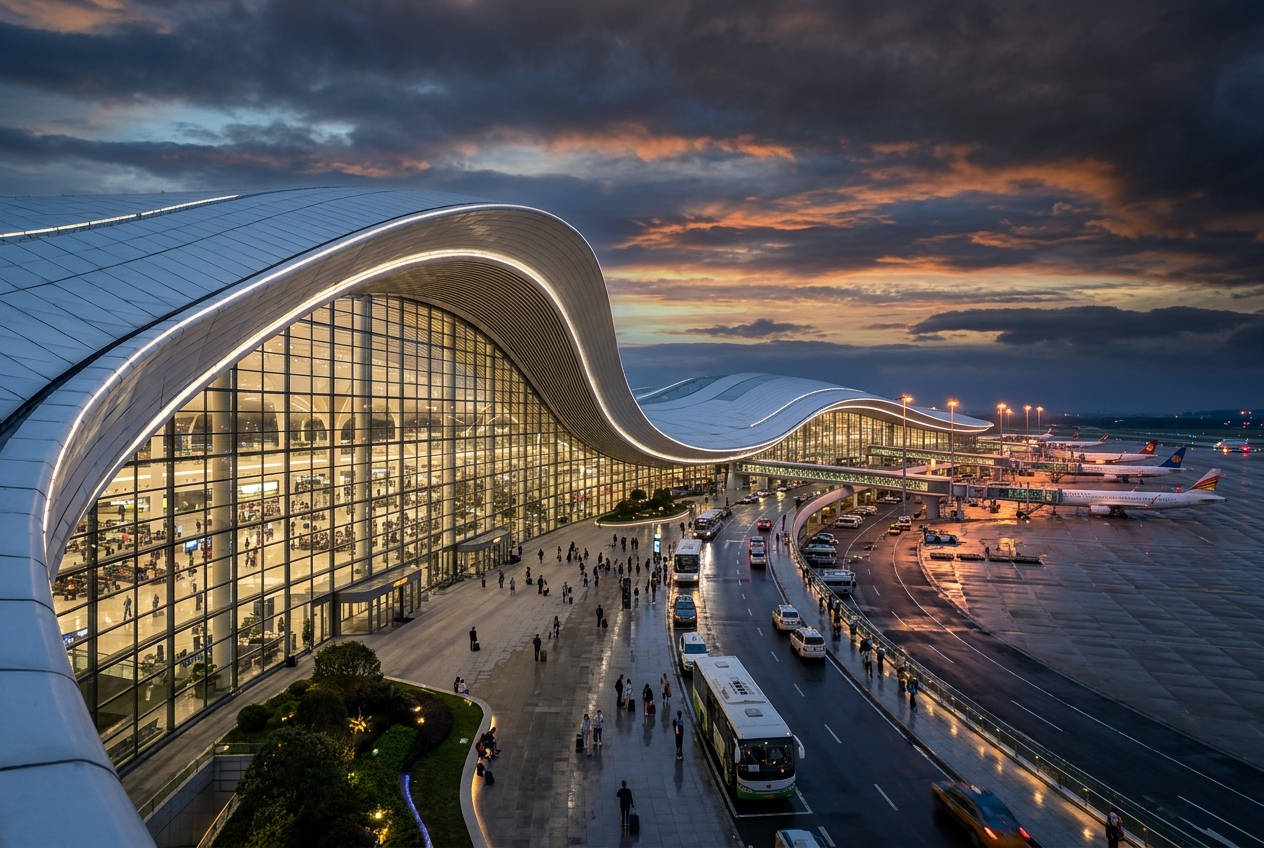
Austria's primary gateway, connecting Vienna to the world.
Opened
1938
Location
Vienna, Austria
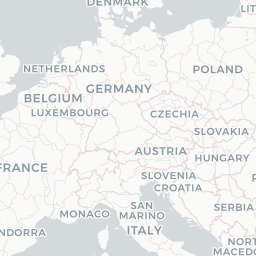
Vienna International Airport, officially known as Flughafen Wien-Schwechat, is Austria's largest and busiest airport, serving the capital city of Vienna. Located in Schwechat, approximately 18 kilometres southeast of central Vienna, it handled around 29–30 million passengers annually before the COVID-19 pandemic significantly reduced traffic.
The airport serves as the primary hub for Austrian Airlines and is a key transit point for flights between Western Europe and Eastern Europe, as well as long-haul destinations in Asia, North America, and the Middle East. It operates 24 hours a day, seven days a week, giving it a competitive advantage over many other European airports with nighttime curfews.
Flughafen Wien AG, a publicly traded company, operates the airport. The airport has undergone significant infrastructure investment over the decades, including the opening of Terminal 3 in 2012, which consolidated most passenger operations and improved capacity and passenger experience.
Terminals
The airport features two main terminal buildings—Terminal 1 (handling non-Schengen and some charter traffic) and Terminal 3 (the primary modern terminal for most scheduled flights)—connected by a central pier structure.
Getting to & from
The City Airport Train (CAT) provides a non-stop rail link to Wien Mitte station in about 16 minutes, while S-Bahn commuter rail and bus services offer additional affordable connections to the city centre.
Airlines here
Austrian Airlines uses Vienna as its primary hub, while Eurowings, Ryanair, Wizz Air, and numerous international carriers including Lufthansa, Emirates, and Turkish Airlines operate regular services here.
Notable facts
- ›Vienna Airport operates 24/7 with no nighttime flight curfew, a rarity among major European airports.
- ›Terminal 3 opened in 2012 and significantly expanded the airport's capacity and retail offerings.
- ›The airport is located in Schwechat, Lower Austria, not within Vienna's city limits.
- ›Flughafen Wien AG is publicly listed on the Vienna Stock Exchange (Wiener Börse).
- ›Vienna Airport served as a major hub for flights between Western and Eastern Europe during the Cold War era.
This profile is provided for general information only. Details may be inaccurate or outdated — always verify with the airport's official website before acting on them.