ترجمه



Somalia's principal international gateway on the Indian Ocean coast.
Opened
1954
Location
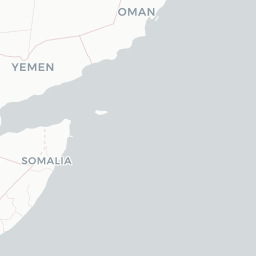
Mogadishu, Somalia
Aden Adde International Airport is the main international airport serving Mogadishu, the capital of Somalia. Named after Aden Abdullah Osman Aden, Somalia's first president, it serves as the country's busiest and most strategically important aviation hub.
The airport has undergone significant rehabilitation efforts following decades of civil conflict that left infrastructure severely damaged. International carriers have gradually resumed or expanded services as security conditions in Mogadishu have improved, and the airport is managed with support from various international partners.
The facility handles both civilian passenger operations and hosts a military presence, including activity related to African Union and UN-affiliated missions in Somalia. It remains a critical lifeline for humanitarian aid delivery as well as growing commercial traffic.
Terminals
The airport has a single main passenger terminal that has been progressively renovated to handle increasing international and domestic traffic.
Getting to & from
Ground transport into central Mogadishu is primarily by taxi and private vehicle, with no formal rail or bus rapid transit link available.
Airlines here
Airlines operating at Mogadishu include African Express Airways, Jubba Airways, Turkish Airlines, and Flydubai, among others serving regional and international routes.
Notable facts
- ›Named after Somalia's first president, Aden Abdullah Osman Aden.
- ›The airport suffered heavy damage during the Somali Civil War and has been under reconstruction since the early 2010s.
- ›It serves as a key hub for humanitarian aid operations in the Horn of Africa.
- ›The airport hosts AMISOM (African Union Mission in Somalia) military operations alongside civilian flights.
- ›It is located approximately 5 kilometers from Mogadishu city center along the Indian Ocean coastline.
This profile is provided for general information only. Details may be inaccurate or outdated — always verify with the airport's official website before acting on them.