Translate
Overview
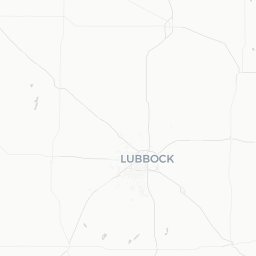
Slaton is a small city of roughly 6,000 people situated on the South Plains of West Texas, about 15 miles southeast of Lubbock along US Highway 84. Founded in the early twentieth century as a division point on the Santa Fe Railway, the town's identity has long been tied to the railroad that shaped its original layout and economy.
The built environment still reflects that railroad-era origin. A concentration of early twentieth-century commercial and residential architecture survives along the main streets, giving Slaton a weathered, unvarnished character that is increasingly rare in the region. Visitors who appreciate heritage tourism and quiet, uncrowded stops will find Slaton a genuine rather than manufactured experience.
Today the local economy is anchored by agriculture — primarily cotton — as well as services that support the surrounding rural communities. Slaton is an honest working town rather than a tourist destination, which is precisely what makes a brief visit worthwhile for travelers who want to see the real South Plains away from Lubbock's urban sprawl.
Before You Go
Entry Requirements
Slaton is located in the continental United States. For visa and entry requirements, check TravelerPulse's Visas section and the official US Customs and Border Protection website (cbp.gov) well in advance of travel.
Practical Preparation
- Self-sufficiency matters. Slaton has basic services — gas stations, a grocery option, a handful of restaurants — but specialty goods, larger pharmacies, and medical facilities are more readily available in Lubbock (~20 miles northwest).
- Cash and card. Most local businesses accept major debit and credit cards, but carrying some cash is wise in a small rural town.
- Weather swings. The South Plains can experience dramatic weather: extreme summer heat (often above 100 °F / 38 °C), winter cold fronts, and occasional severe thunderstorms in spring. Check the National Weather Service forecast before traveling.
- Cell coverage. Major carriers generally provide coverage in town, but signals can be inconsistent in surrounding rural areas.
Getting There
By Car
Slaton is the most straightforward destination to reach by personal vehicle. US Highway 84 connects Slaton directly to Lubbock to the northwest and continues southeast toward Post and Snyder. From Lubbock, the drive is roughly 15–20 minutes depending on traffic.
By Air
The nearest commercial airport is Lubbock Preston Smith International Airport (LBB), which receives flights from several major US hubs. Renting a car at the airport is the practical choice for reaching Slaton, as there is no regular scheduled transit between Lubbock and Slaton.
By Bus
Verify locally or through intercity bus providers (such as Greyhound or regional operators) whether scheduled service stops in or near Slaton. Service patterns in small West Texas towns change periodically and should be confirmed before travel.
Getting Around
Slaton is a compact town and the central areas can be explored on foot once you have parked. A personal vehicle is essential for arriving and for reaching any points of interest outside the immediate downtown area.
There is no local public transit system. Rideshare availability (Uber, Lyft) is limited and not reliably present in small South Plains towns — verify the app before depending on it. Plan to have your own transportation for the duration of your stay.
Things to See & Do
Slaton Harvey House (Santa Fe Depot)
The historic Santa Fe Railway depot and its associated Harvey House — part of the famous Fred Harvey Company restaurant chain that served rail travelers across the American West — is the town's most significant heritage landmark. The building dates to the early twentieth century and represents an important chapter in both railroad and hospitality history. Verify current access, tour availability, and hours locally or through Slaton civic contacts before visiting, as community-managed historic sites often have variable schedules.
Downtown Architecture Walk
A self-guided walk along the main commercial blocks reveals a collection of early twentieth-century brick storefronts in various states of preservation. The streetscape offers a candid look at a railroad-era South Plains town.
Surrounding Landscape
The flat, wide-open terrain of the South Plains itself is a draw for visitors who appreciate the particular beauty of the Llano Estacado. Expansive skies, cotton fields, and unobstructed sunrises and sunsets are hallmarks of the area.
Nearby Natural and Cultural Sites
Slaton works well as one stop on a broader circuit that includes Lubbock's museums, Caprock Canyons State Park, and the broader cultural geography of the South Plains. See the Nearby section for suggestions.
Food & Drink
Slaton has a modest selection of locally owned diners and fast-food options serving the everyday needs of residents. Expect straightforward American and Tex-Mex cooking at practical prices. The town does not have a developed restaurant scene, and menus, hours, and ownership change frequently in small communities — verify current options on arrival or through a search before your visit.
For a wider selection of dining, Lubbock is a short drive away and offers everything from regional Texas barbecue to international cuisine. If you are planning a meal specifically in Slaton, arriving with flexible expectations is sensible.
Practical Information
Emergency Services
For any emergency in the United States, dial 911. Slaton has local police and fire services. For non-emergency medical needs, the nearest hospital facilities are in Lubbock.
Connectivity
Public Wi-Fi is not widely available in town. Mobile data from major US carriers generally works in town.
Fuel
Gas stations are present in Slaton. If you are continuing into more rural areas southeast of town, fill up before departing.
Accessibility
The flat terrain is generally navigable, but older historic buildings may not meet modern accessibility standards. Verify with specific sites in advance if accessibility is a requirement.
Safety
Slaton is a quiet, low-key community and visitors generally encounter no significant safety concerns. Standard common-sense precautions apply: be aware of your surroundings, secure valuables in your vehicle, and be mindful of weather conditions, particularly during spring thunderstorm season and summer heat.
Long drives through rural West Texas carry their own considerations — ensure your vehicle is in good condition, carry water, and have a phone charged before heading out into areas with sparse services.