Translate


Overview
Lansing is a small unincorporated community in Belmont County, Ohio, situated in the rolling hills of the Appalachian foothills near the Ohio River. With a population of just a few hundred residents, it is a quiet, rural place that reflects the character of southeastern Ohio — modest, unhurried, and rooted in the region's industrial and agricultural heritage.
The surrounding area has historical ties to coal mining, and the landscape bears the hallmarks of Appalachian Ohio: wooded ridges, narrow valleys, and small towns spaced along two-lane roads. Visitors typically come not for Lansing itself but for its convenient position near larger attractions in Belmont County and along the Ohio River corridor.
For travelers, Lansing functions best as a waypoint rather than a primary destination. Its appeal lies in the authenticity of rural Appalachian Ohio life and its proximity to state parks, river scenery, and regional heritage sites.
Getting There
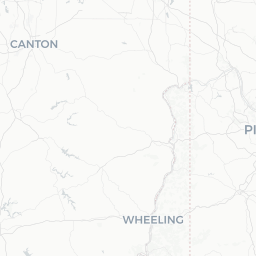
Lansing sits in Belmont County in eastern Ohio, roughly between the cities of St. Clairsville and Shadyside. Personal vehicle is the most practical way to reach and navigate the area, as public transit does not serve this community.
- By car: Lansing is accessible via State Route 147 and local county roads. Interstate 70 runs through Belmont County to the north and provides a main artery connecting the region to Columbus (roughly 2 hours west) and Wheeling, West Virginia (about 30 minutes east).
- Nearest airports: Wheeling Ohio County Airport (HLG) in Wheeling, WV, is the closest small regional airport. Pittsburgh International Airport (PIT) is roughly 90 minutes northeast and offers significantly more flight options.
- By bus: Verify locally whether regional bus services connect Belmont County communities; schedules change and service is limited in rural areas.
Getting Around
A personal vehicle is essential for getting around Lansing and the surrounding area. Roads are generally well-maintained two-lane routes through hilly terrain; drivers should exercise caution on curves, especially in wet or winter conditions.
There are no ride-share services reliably operating in this community. Fuel up before heading into the area, as gas stations may be several miles away. GPS navigation works in most parts of Belmont County, though signal can be intermittent in more remote hollows.
Where to Stay
There are no lodging options within Lansing proper. Travelers should look for accommodation in nearby towns or along the I-70 corridor.
- St. Clairsville has motel and chain hotel options accessible from Interstate 70 — verify availability and current properties directly with booking platforms.
- Wheeling, WV, approximately 30 minutes east, offers a wider range of hotels at various price points.
- Barkcamp State Park offers camping facilities; check the Ohio Department of Natural Resources website for current reservation procedures and availability.
- Travelers seeking a more immersive rural experience may find short-term rental listings in Belmont County through standard online platforms — verify locally before booking.
Things to See & Do
Lansing itself has limited formal attractions given its size, but the surrounding region offers several options for outdoor and heritage-oriented travelers.
Outdoor Recreation
- Barkcamp State Park (located in Belmont County) offers camping, fishing, hiking trails, and a small lake — verify current facilities and hours with Ohio State Parks before visiting.
- The Ohio River corridor, a short drive south, provides scenic views, fishing access, and a sense of the river's historical role in regional commerce and migration.
- Wooded county roads and ridgelines in the area are popular with cyclists and those who enjoy quiet rural drives in autumn foliage season.
Regional Heritage
- Belmont County has a documented coal and industrial history. The broader county seat of St. Clairsville has a small downtown with local historical context.
- The National Road (US Route 40), one of America's first federally funded highways, passes through the northern part of Belmont County and retains stretches of historic character worth a slow drive.
Food & Drink
There are no restaurants or commercial food establishments in Lansing itself. Travelers should plan to eat in nearby communities.
- Shadyside and Bellaire, south toward the Ohio River, have local diners and casual eateries representative of small-town Ohio food culture — expect straightforward American comfort food.
- St. Clairsville, the Belmont County seat to the north along I-70, has a broader range of dining options including chain restaurants and a few locally owned establishments.
- Packing your own food and water for day trips through this area is a practical habit, as options can be sparse and hours unpredictable in small communities.
Practical Information
Connectivity and Services
Cell service can be inconsistent in rural Belmont County. Download offline maps before traveling. Basic services such as grocery stores and pharmacies are found in nearby towns rather than in Lansing itself.
Emergency Services
For emergencies in Ohio, dial 911. Belmont County is served by its own Sheriff's Office and Emergency Management Agency. The nearest hospitals are in the Wheeling, WV area and in St. Clairsville — verify current hospital locations and services before your trip.
Weather
Southeastern Ohio experiences four distinct seasons. Summers are warm and humid; winters can bring snow and icy roads, particularly on hilly terrain. Spring and autumn are generally pleasant but can be wet. Check forecasts before driving rural roads in winter.
Visas and Entry
Lansing is in the United States. For entry requirements, check TravelerPulse's Visas section and the official US government immigration authority (travel.state.gov) for current information relevant to your nationality.
Safety
Lansing is a quiet rural community and does not present particular safety concerns for visitors. Standard rural travel precautions apply: let someone know your itinerary if hiking or exploring remote areas, carry sufficient water and a phone charger, and be aware that emergency response times can be longer in low-population areas than in cities.
Road safety is the primary consideration — hilly, winding county roads require attentive driving, and deer crossings are common, especially at dawn and dusk. Avoid driving unfamiliar rural roads at night if possible.