Переводчик


Overview
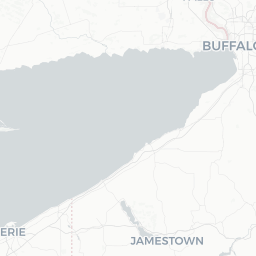
Buffalo sits at the eastern end of Lake Erie, on the US–Canada border in western New York State. Once a powerhouse of American industry and the terminus of the Erie Canal, the city fell hard during the deindustrialization of the late 20th century. In recent decades it has mounted a genuine and ongoing revival, with a renovated waterfront, a thriving food scene, and renewed pride in its architectural heritage.
The city is compact enough to be explored on foot or by bicycle in key neighborhoods, yet has enough depth — world-class museums, historically significant buildings, passionate sports culture, and proximity to one of the world's most visited natural wonders — to reward several days. Visitors often underestimate Buffalo and leave pleasantly surprised.
Buffalo's winters are legitimately harsh, influenced by Lake Erie's 'lake-effect' snow. That said, locals have built a culture that embraces rather than retreats from winter, and the off-season brings noticeably lower hotel rates and fewer crowds at major attractions.
Before You Go
Visas and Entry
Buffalo is a US city with a major international border crossing into Canada. Entry requirements depend entirely on your nationality and travel history. For US visa guidance, visit TravelerPulse's Visas section and consult the official US Customs and Border Protection website. If you plan to cross into Canada, check requirements with the Government of Canada's immigration authority as well — each crossing requires separate compliance.
Health and Insurance
Travel health insurance is strongly recommended for international visitors to the United States, where healthcare costs without coverage can be very high. Confirm your policy covers emergency care before departure.
Weather and Packing
- Summer (June–Aug): Warm and humid, highs typically in the mid-to-upper 20s°C (high 70s–low 80s°F). Light clothing plus a layer for evenings.
- Fall (Sept–Nov): Temperatures drop quickly; bring layers and a waterproof jacket.
- Winter (Dec–Mar): Heavy snow is common, sometimes extreme. Waterproof boots, insulated outerwear, and warm accessories are essential.
- Spring (Apr–May): Unpredictable; pack layers and rain gear.
Getting There
By Air
Buffalo Niagara International Airport (BUF) serves the region with direct flights to many major US hubs and select Canadian destinations. It is located in Cheektowaga, roughly 15–20 minutes from downtown Buffalo by car. Verify current airline routes and fares directly with carriers or booking platforms.
By Train
Amtrak serves Buffalo with the Empire Service route connecting to New York Penn Station and intermediate stops. The journey from New York City is lengthy (approximately 7–9 hours depending on service), but the train is a comfortable option for travelers coming from Albany or other upstate New York cities. Buffalo has two Amtrak stations — Buffalo-Exchange Street and Buffalo-Depew — so confirm which stop best suits your destination.
By Car
Buffalo sits at the junction of several major interstates, including I-90 (the New York State Thruway) and I-190. Driving is a practical option from Toronto (roughly 2 hours), Cleveland (roughly 3 hours), or Pittsburgh (roughly 3.5 hours). Note that crossing from Canada at the Peace Bridge or Rainbow Bridge involves border control and wait times that vary significantly by time of day and season.
By Bus
Intercity bus services including Greyhound and regional operators connect Buffalo to other northeastern cities. Verify current schedules and pickup locations before travel.
Getting Around
Metro Rail
Buffalo's NFTA Metro Rail is a single light-rail line running roughly north–south through the city center, from the Buffalo–Exchange Street station near the waterfront to the northern terminus near the University at Buffalo's South Campus. The stretch through downtown is fare-free (verify this status locally, as policies can change). It is useful for reaching the theater district, museums along the Delaware Avenue corridor, and Canisius University.
Bus
The Niagara Frontier Transportation Authority (NFTA) operates an extensive bus network across the Buffalo metro area. Route and schedule information is available on the NFTA website. Buses reach many neighborhoods and suburbs that the Metro Rail does not.
Driving and Parking
A car is helpful for reaching attractions outside the urban core, including Niagara Falls. Downtown parking garages and metered street parking are available; verify current rates locally. Traffic is generally manageable compared to larger US cities.
Cycling and Walking
Buffalo has invested in protected bike lanes and a growing network of cycling infrastructure. The Riverwalk along the Buffalo River and the Outer Harbor are popular routes. Key neighborhoods — Elmwood Village, Allentown, Delaware Avenue — are walkable. Ride-share services (verify current providers locally) are also available.
Things to See & Do
Museums and Culture
- Albright-Knox Art Gallery (now rebanded as Buffalo AKG Art Museum): One of the oldest and most respected modern and contemporary art museums in the United States, with a significant permanent collection. Confirm current hours and admission fees on their official site.
- Buffalo Museum of Science: A natural history and science museum with exhibits on regional ecology, anthropology, and space.
- Frank Lloyd Wright's Darwin D. Martin House: A National Historic Landmark and one of Wright's most important Prairie Style works. Guided tours are available; book in advance as capacity is limited. Verify tour schedules and pricing on the official site.
- Theodore Roosevelt Inaugural National Historic Site: The house where Theodore Roosevelt was sworn in as president in 1901 following the assassination of William McKinley. A compact but historically significant site.
Architecture
Buffalo's built environment is one of its most underappreciated assets. Beyond the Martin House, look for: Richardson Olmsted Campus (H.H. Richardson's massive Romanesque Revival State Asylum, now a hotel and arts complex), Buffalo City Hall (a remarkable Art Deco skyscraper with a public observation deck — verify access locally), and the Electric Tower downtown.
Waterfront and Outdoors
- Canalside: The revitalized Buffalo waterfront at the foot of Main Street hosts outdoor concerts, ice skating in winter, kayaking in summer, and regular public events.
- Outer Harbor: Open parkland, bird watching, and cycling along Lake Erie's shore.
- Buffalo Olmsted Parks: Frederick Law Olmsted designed Buffalo's interconnected park system — one of the first in the US — including Delaware Park, which features Hoyt Lake and remains a popular green space.
Sports
Buffalo is a passionate sports city. The Buffalo Bills (NFL) play at Highmark Stadium in Orchard Park; the Buffalo Sabres (NHL) play at KeyBank Center in downtown Buffalo. Attending a game is a genuine cultural experience, particularly a Sabres home game in winter. Check official team sites for schedules and ticket availability.
Day Trip: Niagara Falls
Niagara Falls — accessible from both the US side (Niagara Falls State Park, the oldest state park in the US) and the Canadian side (which offers a broader panoramic view) — is approximately 30 minutes from downtown Buffalo. Most visitors make it a half- or full-day trip. If crossing into Canada, carry appropriate travel documents.
Food & Drink
Buffalo Wings
The Buffalo chicken wing was invented in Buffalo — most accounts credit the Anchor Bar on Main Street, which still operates and attracts visitors specifically for this reason. Wings are ubiquitous across the city in many variations; locals take them seriously. Expect debate about which establishment makes the best version.
Other Local Foods
Buffalo has a few other regional specialties worth knowing:
- Beef on weck: Thinly sliced roast beef served on a kummelweck roll (a caraway-and-salt-topped roll), typically with horseradish. A genuinely regional sandwich found throughout western New York.
- Sponge candy: A local confection — airy toffee coated in chocolate — made by several Buffalo chocolatiers and sold widely as a souvenir.
- Loganberry: A sweet, purple fruit drink associated with Crystal Beach (a former Canadian amusement park just across the border) and still popular in the region.
Neighborhoods for Dining
- Elmwood Village: A lively strip of independent restaurants, cafés, and bars running along Elmwood Avenue. A reliable destination for a range of cuisines and price points.
- Allentown: An arts and nightlife neighborhood with bars, casual restaurants, and live music venues.
- West Side: Buffalo's most diverse neighborhood by population, with authentic cuisine from East African, Burmese, Puerto Rican, and other communities.
- Downtown/Larkinville: Growing number of restaurants and brewery taprooms; particularly active on weekday lunches and weekend evenings.
Craft Beer
Buffalo has a healthy craft brewing scene. Several local breweries operate taprooms in the city and surrounding area. Verify current locations and hours directly.
Shopping
Local and Independent
- Elmwood Village is the best area for independent boutiques, used bookshops, vintage clothing, and specialty food stores. The neighborhood has successfully maintained a walkable, local-first commercial strip.
- Larkin Square and the surrounding Larkinville area host a weekend farmers' market (seasonal) and a cluster of artisan and small-business vendors.
- Reading Terminal–style options: The Broadway Market, a historic indoor market in Buffalo's East Side, has operated for well over a century and is particularly active around Easter. It is a cultural institution as much as a shopping destination.
Souvenirs
Buffalo-specific items to look for include sponge candy (see food section), local hot sauce brands, Bills and Sabres merchandise (available at downtown retailers and team shops — verify locations), and prints or goods featuring the city's architectural landmarks.
Practical Information
Emergency Services
In any emergency in the United States, dial 911 for police, fire, or ambulance.
Electricity
The US uses 120V / 60Hz electricity with Type A and Type B outlets. International visitors may need a plug adapter and/or voltage converter.
Tipping
Tipping is standard practice in the US. In restaurants, 18–20% of the pre-tax bill is typical for table service. Tip taxi and ride-share drivers, hotel housekeeping, and bar staff according to your discretion; local norms generally expect some gratuity in all these contexts.
Connectivity
Free Wi-Fi is widely available in hotels, cafés, and many public spaces including Canalside. US mobile networks (AT&T, Verizon, T-Mobile, and others) provide good coverage throughout the city. International visitors should confirm roaming costs with their home carrier or consider a local SIM.
Currency and Payments
Credit and debit cards are accepted almost universally. ATMs are available throughout the city. Inform your bank of international travel to avoid card blocks.
Safety
Buffalo is a mid-sized American city with neighborhoods that vary considerably in their character and safety profile. Downtown, the waterfront, Elmwood Village, Allentown, and the museum district along Delaware Avenue are generally comfortable for visitors during daytime and evening hours.
As in most US cities, some neighborhoods on the East Side and parts of the South Side have higher rates of property crime and occasional violent crime. Visitors have little reason to be in these areas unless intentionally exploring; use standard urban awareness.
The border with Canada introduces some specific considerations: border wait times can be long, especially at Rainbow Bridge near Niagara Falls on weekends and holidays. If driving across, carry your passport and be prepared for vehicle and document inspection in both directions.
Winter weather is a genuine safety consideration. Lake-effect snowstorms can develop rapidly and be severe. Monitor local weather forecasts, drive cautiously on icy roads, and take cold-weather warnings seriously.
Local Culture & Etiquette
Buffalo is a working-class city with a strong sense of local identity and pride that can surprise first-time visitors. The city's sports teams — particularly the Bills and Sabres — are central to civic culture; game days have a festive, communal atmosphere that extends well beyond the stadium.
The city has a significant Polish-American heritage (the East Side and Cheektowaga have historically been centers of Polish community life), as well as large African American, Puerto Rican, and more recently East African and Burmese communities. This diversity is most visibly reflected in the food landscape and in neighborhood character across different parts of the city.
Buffalo has a long relationship with public art and architecture. The city's Olmsted-designed park system, its collection of Richardson, Sullivan, and Wright buildings, and its Art Deco civic structures reflect periods of genuine ambition. Locals tend to be knowledgeable about and proud of this heritage. Engaging with it — visiting the Martin House, walking through Delaware Park, looking up at City Hall — is one of the more rewarding ways to understand the place.