Overview
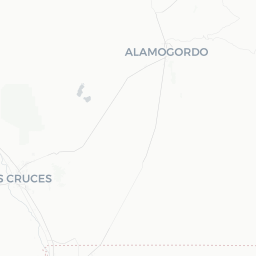
Mesilla (formally La Mesilla) is a small, historically rich village in Doña Ana County, situated just a few miles southwest of Las Cruces in southern New Mexico. Despite its modest population of under 2,000, it carries an outsized historical footprint: it served as the capital of the Confederate Territory of Arizona during the Civil War, and its old plaza courthouse is where outlaw Billy the Kid was tried and sentenced to death in 1881.
The heart of Mesilla is its central plaza, a compact, walkable square anchored by the Basilica of San Albino — one of the oldest churches in the Mesilla Valley — and surrounded by adobe buildings housing galleries, boutiques, restaurants, and wine shops. The architecture is largely intact 19th-century territorial and Spanish Colonial style, giving the area a genuine sense of place that is rare in the American Southwest.
Mesilla sits in the northern Chihuahuan Desert at roughly 3,800 feet elevation, which moderates temperatures compared to lower-desert cities. The Rio Grande flows nearby, and the surrounding Mesilla Valley has supported agriculture — particularly chile pepper and pecan farming — for centuries. Visitors typically combine Mesilla with a broader trip to Las Cruces, the White Sands National Park corridor, or the broader El Paso–Las Cruces metro area.
Before You Go
Mesilla is a US domestic destination, so no visa is required for US citizens. International travelers should check TravelerPulse's Visas section and the US Customs and Border Protection website (cbp.gov) for current entry requirements.
Climate to expect: Summers (June–August) are hot, often exceeding 95°F (35°C), with an afternoon monsoon season bringing brief but intense thunderstorms from mid-July through September. Winters are mild by day (50s–60s°F / 10–16°C) but can drop below freezing overnight. Spring and fall offer the most comfortable conditions for walking the plaza.
What to pack:
- Sunscreen and a hat — UV exposure is high at this elevation and latitude
- Layers for cool mornings and evenings, even in summer
- Comfortable walking shoes for uneven adobe and brick surfaces
- Cash — some smaller vendors and galleries at the plaza are cash-preferred
Mesilla's plaza area is compact; most visitors can cover it thoroughly in a few hours. If you plan to eat at popular restaurants on weekends, a reservation is advisable, especially at dinner.
Getting There
By Air
The nearest commercial airport is El Paso International Airport (ELP) in El Paso, Texas, approximately 45–50 miles south of Mesilla. It offers connections to major US hubs. Las Cruces also has a small regional airport (Las Cruces International, LRU) with limited service; verify current routes before planning around it.
By Car
Mesilla is most conveniently reached by car. From Las Cruces, it is roughly a 10-minute drive via NM-28 or Avenida de Mesilla. From El Paso, the drive north on I-10 takes approximately 45–55 minutes depending on traffic and border crossing conditions at the state line. Parking around the plaza is generally available in surface lots; verify signage locally as conditions change.
By Bus
SunTran, the regional transit authority serving the Las Cruces metro area, operates routes that connect Las Cruces to Mesilla. Check the RoadRUNNER Transit (City of Las Cruces public transit) website for current routes and schedules, as service levels and stop locations are subject to change.
Getting Around
Mesilla's historic plaza district is entirely walkable. The Basilica of San Albino, the Billy the Kid Gift Shop and Museum, galleries, restaurants, and boutiques are all within a few minutes' walk of the central square.
Beyond the plaza, Mesilla is a driving destination. There are no rideshare services with reliable coverage in the immediate plaza area — verify app availability before relying on them. Most visitors drive from Las Cruces and leave their vehicle in one of the nearby lots while exploring on foot.
If you are visiting the broader Mesilla Valley — for instance, local pecan orchards or wineries along NM-28 toward La Union — a personal vehicle is essential, as there is no meaningful public transit serving those rural stretches.
Things to See & Do
Old Mesilla Plaza
The plaza itself is the primary attraction — a shaded, leisurely square where visitors can sit, people-watch, and absorb the adobe streetscape. Events including outdoor markets and festivals are held here periodically throughout the year; check local listings for dates.
Basilica of San Albino
One of the oldest churches in the Mesilla Valley, the current structure dates to 1906 though the parish has roots in the 1850s. The church is an active Catholic parish; visitors are welcome to view the interior respectfully outside of Mass times. Verify access hours locally.
Billy the Kid Lore
The courthouse where Billy the Kid was tried in 1881 still stands on the plaza and now operates as a gift shop and museum. It provides historical context for one of the American Southwest's most enduring outlaw narratives.
Galleries and Studios
Several working art galleries occupy adobe storefronts around the plaza, featuring Southwestern painting, photography, ceramics, and jewelry. The concentration of galleries makes a leisurely gallery walk a worthwhile activity.
NM-28 Scenic Drive
The two-lane NM-28 running south through the Mesilla Valley toward El Paso passes pecan orchards, small farms, vineyards, and the village of La Union. It offers a more authentic rural view of the valley than the interstate.
Food & Drink
Mesilla has a well-established restaurant scene anchored around the plaza, with a focus on traditional New Mexican cuisine — distinct from Tex-Mex and characterized by locally grown red and green chile, posole, enchiladas with fried eggs, and sopaipillas with honey.
The phrase "red or green?" — referring to chile sauce preference — is standard at any New Mexican table. If you want both, the answer is "Christmas." Green chile in the Mesilla Valley and broader southern New Mexico is a point of local pride, particularly Hatch green chile grown about 35 miles north of the village.
Several restaurants on and near the plaza have been operating for decades and are well regarded regionally. A handful of wine tasting rooms and a brewery serve the area as well, some pouring wines made from grapes grown in the southern New Mexico appellations. Check individual establishment websites or call ahead for current hours, as smaller venues in historic districts often keep irregular schedules or seasonal hours.
What to try:
- Green or red chile enchiladas
- Chile relleno
- Sopaipillas (puffy fried bread served with honey)
- Locally grown pecan-based desserts
- New Mexico wines from the Mesilla Valley AVA
Shopping
Shopping in Mesilla is concentrated on the plaza and its immediately adjacent streets. Expect a mix of Southwestern jewelry (turquoise and silver), handmade pottery, folk art, chile-related food products (dried chiles, ristras, sauces), and locally made textiles.
Several shops sell New Mexico-specific food products — Hatch chile, pecan candies, local honey — that make practical and authentic gifts. A few galleries sell original artwork and prints by regional artists.
Be aware that small plaza-area shops may keep limited hours, particularly on weekdays. Weekend visits offer the broadest selection of open establishments. Prices at independent galleries and artisan shops are generally non-negotiable, though it is appropriate to ask about a piece's background and the artist.
Practical Information
Emergency services: Dial 911 for police, fire, or medical emergencies anywhere in the United States.
Nearest hospital: University Medical Center of El Paso (El Paso, TX) and MountainView Regional Medical Center (Las Cruces) are the nearest full-service hospitals. Verify current addresses and services locally.
Connectivity: Mobile coverage from major US carriers (Verizon, AT&T, T-Mobile) is generally reliable in Mesilla and Las Cruces. Some restaurants and shops offer Wi-Fi; ask locally.
Accessibility: The plaza's adobe and brick surfaces can be uneven and may present challenges for wheelchair users or those with limited mobility. Contact specific venues in advance to confirm accessibility arrangements.
Tipping: Standard US tipping conventions apply — 18–20% at sit-down restaurants is customary.
Safety
Mesilla's historic plaza area is a low-key, family-frequented destination and is generally considered safe for visitors during daytime and evening hours when businesses are open.
As with any destination, exercise standard precautions: keep valuables secure, be aware of your surroundings in parking areas after dark, and avoid leaving items visible in parked vehicles.
Mesilla is located in Doña Ana County, relatively close to the US–Mexico border (El Paso/Ciudad Juárez is roughly 45 miles south). There are Border Patrol checkpoints on I-10 and other regional highways; all travelers — including US citizens — should carry government-issued identification when traveling in this region.
Summer monsoon thunderstorms can arrive quickly in the afternoon. If you see rapidly building clouds, seek shelter indoors and avoid being in open areas or near arroyos (dry washes), which can flash flood with little warning.
Local Culture & Etiquette
Mesilla's cultural identity is deeply rooted in its Spanish Colonial and Mexican heritage. The village was founded under Mexican rule in the 1840s and became part of the United States through the Gadsden Purchase in 1854. This layered history — Indigenous, Spanish, Mexican, and Anglo-American — is visible in the architecture, the language, the food, and the community's relationship with its plaza.
The Catholic faith remains central to community life; the Basilica of San Albino hosts regular Masses and significant religious celebrations, particularly around Easter and Christmas. Visitors should be respectful of active worship and dress modestly when entering the church.
Festivals and community events on the plaza — including Cinco de Mayo celebrations, Día de los Muertos observances, and the traditional Feast Day of San Albino — draw both locals and visitors. Verify dates for specific events locally before planning around them, as schedules change year to year.
The Mesilla Valley's agricultural traditions, particularly chile and pecan farming, are not merely scenic backdrop — they are economically and culturally significant. Hatch green chile harvest in August and September is a major seasonal event for the entire region.