Overview
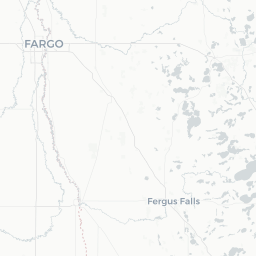
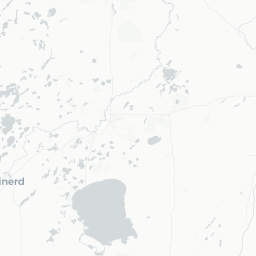
Alexandria is a small city of roughly 12,000 people in west-central Minnesota, situated at the heart of a region known as 'Lakes Country.' More than 300 lakes lie within Douglas County alone, making the area a natural draw for anglers, boaters, and outdoor enthusiasts across the Upper Midwest.
The city functions as the commercial and cultural hub for the surrounding lake communities. Despite its modest size, it supports a lively year-round tourism economy built on four-season recreation: swimming and water-skiing in summer, hunting in autumn, and ice fishing and snowmobiling in winter.
Alexandria also carries an unusual historical footnote — it is home to the Kensington Runestone, a large stone slab discovered in 1898 bearing runic inscriptions that some claim as evidence of pre-Columbian Norse exploration of North America. The stone remains the subject of scholarly debate, but it anchors the city's self-styled 'Viking heritage' identity in a lighthearted and welcoming way.
Before You Go
Visas
Alexandria is a domestic U.S. destination. International travelers entering the United States should review entry requirements through the official U.S. Customs and Border Protection website and consult TravelerPulse's Visas section for general guidance relevant to their nationality.
What to Pack
- Summer: Sunscreen, insect repellent, swimwear, and light layers for cool evenings near the water.
- Winter: Heavy insulated outerwear, waterproof boots, and thermal underlayers are essential; temperatures routinely drop well below freezing.
- Year-round: A car (or rental) is effectively required — Alexandria has no local public transit system.
Health
No destination-specific health precautions apply beyond standard U.S. travel considerations. Tick awareness is advisable during warmer months when spending time in wooded or grassy areas. Verify health insurance coverage before travel; confirm locally for nearest urgent care and hospital locations.
Getting There
By Air
The closest commercial airport with scheduled airline service is Alexandria Regional Airport (AXN), which offers limited regional connections. Minneapolis–Saint Paul International Airport (MSP), roughly 130 miles southeast, is the practical choice for most travelers and provides far more routing options. A car rental from MSP followed by a roughly two-hour drive via US-94 West is the most common approach.
By Car
Interstate 94 passes directly through Alexandria, making it straightforward to reach from the Twin Cities to the east or from Fargo, North Dakota, to the west. The drive from Minneapolis typically takes around two hours under normal conditions.
By Bus
Scheduled intercity bus service does operate along the I-94 corridor; verify current routes, schedules, and booking options on Jefferson Lines' official website or through comparable carriers before travel, as schedules change seasonally.
Getting Around
A personal or rental vehicle is the only practical way to explore Alexandria and the surrounding lakes. The city's commercial areas are relatively compact, but most resorts, lake access points, and attractions are spread across the wider county and are not walkable from a central point.
Bicycling is feasible within the city limits during summer and can be enjoyable along local trails and quieter roads, but coverage is limited for longer distances. Ride-share services are not reliably available in a city of this size — verify locally before depending on them.
Where to Stay
Accommodation in Alexandria ranges from national chain hotels clustered near the interstate to locally owned lake resorts that represent the area's most distinctive lodging experience. Lake resorts typically offer cabins or cottages with direct water access, fishing docks, and boat rentals, and many operate on a weekly rental basis during peak summer — shorter stays may have limited availability in July and early August.
Book well in advance for summer weekends and holiday periods, particularly if seeking a lake-facing property. Winter visitors have an easier time securing availability. Verify current rates, policies, and amenities directly with properties, as the resort landscape changes from season to season.
Things to See & Do
Runestone Museum
The Runestone Museum in downtown Alexandria houses the Kensington Runestone and contextual exhibits on Norse heritage and regional history. It is the city's most prominent cultural attraction. Verify current admission fees, hours, and any temporary closures on the museum's official website before visiting.
Lake Activities
Big Cormorant Lake, Lake Le Homme Dieu, Lake Darling, and dozens of others within easy reach offer swimming, fishing, kayaking, canoeing, pontoon boating, and water-skiing in summer. Many lake resorts rent watercraft; confirm availability and rates directly with individual operators.
Golfing
Several golf courses operate in and around Alexandria, taking advantage of the rolling terrain shaped by glacial activity. The area is regarded as a solid golf destination within Minnesota.
Winter Recreation
During winter months the frozen lakes become destinations in their own right. Ice fishing for walleye, northern pike, and perch is extremely popular. Snowmobile trails connect Alexandria to a broader regional network; verify current trail conditions through the Minnesota DNR.
Cycling and Walking Trails
The Central Lakes Trail, a paved rail-trail, runs through the Alexandria area and connects to communities across the region. It is suitable for cycling, walking, and inline skating during the warmer months.
Food & Drink
Alexandria's dining scene is oriented toward casual, family-friendly American fare with a strong emphasis on supper clubs — a Midwestern tradition combining a relaxed steakhouse format with cocktails and a convivial atmosphere. Walleye, a regional freshwater fish, frequently appears on local menus and is worth trying.
Downtown Alexandria has a modest concentration of independent restaurants, cafés, and bars. The broader area, including lake resort restaurants, rounds out options during peak summer season. Chain restaurants are well represented along Broadway and US-29 for travelers who prefer familiar options.
Alcohol is widely available at licensed establishments. Minnesota has no unusual restrictions on dining hours for most travelers, though individual venues set their own schedules — verify hours directly, particularly outside of summer peak season when some establishments reduce hours or close.
Practical Information
Emergency Services
For any emergency in the United States, dial 911.
Internet and Connectivity
Cellular coverage from major U.S. carriers is generally reliable in Alexandria and along the main highways. Coverage can become patchy on more remote lake roads and in heavily wooded areas of Douglas County.
Money
ATMs are available at banks and some gas stations in the city center. Credit and debit cards are accepted at most businesses. Tipping is standard at sit-down restaurants (15–20% is conventional) and for other service providers.
Shopping Hours
Most retail businesses operate standard U.S. hours, roughly 9 a.m.–6 p.m. or later. Grocery stores and some gas stations maintain longer or 24-hour hours. Verify locally for specific businesses.
Safety
Alexandria is a low-crime small city by U.S. standards. Standard travel precautions apply: secure valuables in your vehicle out of sight, be aware of your surroundings in unfamiliar areas at night, and follow posted rules at lakes and trails.
Water safety is the most relevant hazard for visitors. Boating accidents do occur on busy summer weekends; life jackets are required for children by Minnesota law and strongly advisable for all boaters. In winter, ice thickness on lakes varies — consult local bait shops or resort operators for current ice conditions before venturing out. Never drive onto ice without confirmed local guidance.