Overview
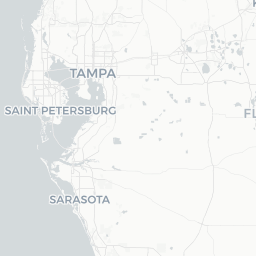
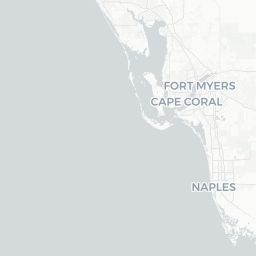
Punta Gorda is a small city of roughly 18,000 people on the southwestern Gulf Coast of Florida, where the Peace River meets Charlotte Harbor. It sits in Charlotte County and is the county seat, though it retains the feel of a quiet, unhurried waterfront town rather than a busy county capital.
The city is perhaps best known among Floridians for its compact, walkable historic district, its access to some of the best fishing in the state, and a boating community that takes full advantage of the Charlotte Harbor Estuary — one of Florida's largest and most ecologically productive estuaries. The harbor supports manatees, dolphins, and extensive bird life, making it attractive to nature-minded visitors as well as anglers.
Punta Gorda was substantially rebuilt after Hurricane Charley made a direct hit in 2004, which means much of the infrastructure and many of the buildings are relatively modern, though the historic district along Marion Avenue and the waterfront retain considerable character. The city's small scale means most points of interest are reachable on foot or by bicycle.
Before You Go
Visas and Entry
Punta Gorda is a domestic US destination. International travelers should check TravelerPulse's Visas section and the official US Customs and Border Protection website for current entry requirements.
Climate
Punta Gorda has a subtropical climate. Winters (November–April) are dry and warm, with daytime temperatures typically in the 70s°F (low-to-mid 20s°C) — this is peak season. Summer (June–September) brings high heat, humidity, and frequent afternoon thunderstorms. Hurricane season runs June through November, with the highest risk in August and September; monitor forecasts if visiting in that window.
What to Pack
- Lightweight, breathable clothing year-round
- Rain gear or a compact umbrella in summer
- Sun protection: sunscreen, sunglasses, a hat — UV intensity is high even in winter
- Insect repellent if you plan to spend time near the water or in natural areas
- Comfortable walking shoes for the historic district
Getting There
By Air
Punta Gorda Airport (PGD) is a small regional airport located just south of downtown. It serves scheduled and charter flights; verify current routes and carriers directly with the airport or your preferred booking platform, as service can change seasonally. Southwest Florida International Airport (RSW) in Fort Myers is a larger alternative with more carrier options and is roughly 45–55 miles south, depending on your final destination. Sarasota Bradenton International Airport (SRQ) is an option to the north.
By Car
Interstate 75 runs along the eastern edge of the Punta Gorda area, making the city accessible from Tampa to the north and Naples/Miami to the south. US-41 (Tamiami Trail) also passes through the region. A car is the most practical way to reach Punta Gorda from most directions.
By Bus
FlixBus and Greyhound serve nearby Fort Myers, and there is limited regional bus service. Verify current schedules and stops locally, as options into Punta Gorda itself are limited.
Getting Around
A personal vehicle is useful for reaching the airport, outlying restaurants, and attractions outside the core. That said, the historic downtown and waterfront are genuinely walkable, and the city maintains a network of bike paths and off-road trails — the Harborwalk is a popular paved path along the waterfront.
Rideshare services (Uber, Lyft) are available but coverage can be inconsistent compared to larger cities; wait times may be longer, especially late at night. Taxis exist but are limited — verify availability before relying on them for time-sensitive travel.
For exploring Charlotte Harbor and nearby waterways, boat rentals and kayak/canoe rentals are available from local outfitters; verify current operators and pricing locally.
Things to See & Do
Harborwalk and Waterfront
The Harborwalk is a paved, scenic path running along Charlotte Harbor near downtown. It passes through Gilchrist Park, where there are fountains, a fishing pier, and open green space. Sunsets over the harbor are a local institution.
Historic Downtown (Marion Avenue)
Punta Gorda's historic district is centered on Marion Avenue and the surrounding blocks. It features independently owned shops, galleries, restaurants, and cafés in low-rise buildings with a walkable, small-town character.
Fishermen's Village
A waterfront retail and dining complex on the harbor, Fishermen's Village includes boat docking, shops, and restaurants. Boat tours and water taxi services have operated from here — verify current offerings on-site or with local operators.
Nature and Outdoors
- Charlotte Harbor Preserve State Park: A large preserve protecting mangroves, estuaries, and upland habitats. Kayaking and wildlife observation are popular. Check the Florida State Parks website for current access and fees.
- Peace River Wildlife Center: A non-profit wildlife rehabilitation center that also operates an educational facility. Verify current visiting arrangements directly with the center.
- Fishing: Charlotte Harbor and the Peace River are well-regarded for snook, redfish, tarpon, and other species. Numerous charter fishing operators work out of Punta Gorda; verify credentials and pricing locally.
Punta Gorda History Park
A small outdoor museum complex featuring historic structures relocated to a single site. Check locally for current hours and admission.
Food & Drink
Punta Gorda's dining scene is modest in scale but has a reasonable range for a small city, with a concentration of restaurants in the historic downtown and at Fishermen's Village. Seafood is the local strength — grouper, snapper, stone crab (in season), and shrimp feature prominently on menus.
Marion Avenue and the surrounding blocks have independent restaurants, wine bars, and casual cafés. Because the scene changes and hours vary seasonally (the city is busier in winter), it is worth checking current reviews on platforms like Google Maps or Yelp before visiting specific establishments.
A Saturday morning farmers' market operates downtown and is a local gathering point; verify current days and location before visiting, as market schedules can shift seasonally.
Shopping
Shopping in Punta Gorda is oriented toward independent boutiques, art galleries, and specialty shops rather than large malls. Marion Avenue and the immediate downtown area have the highest concentration of small retailers, including antiques, home goods, and local art.
Fishermen's Village also has a cluster of gift and specialty shops. For major retail chains and big-box stores, most residents and visitors travel to Port Charlotte, which is directly across the Peace River and connected by bridge — that area has standard US suburban retail options.
Practical Information
Emergency Services
In any emergency in the United States, dial 911.
Banking and ATMs
Major US banks and ATMs are present in Punta Gorda and neighboring Port Charlotte. Credit cards are widely accepted.
Connectivity
Mobile coverage (4G/LTE and in many areas 5G) from major US carriers is generally good in the city and along main roads. Wi-Fi is available at most accommodations and many cafés.
Health
Verify health insurance coverage before travel, particularly for international visitors. The nearest major hospital facilities are in Port Charlotte — verify current locations and services locally.
Accessibility
The Harborwalk and much of the downtown area are paved and relatively flat. Specific accessibility features vary by venue; contact individual attractions or accommodations in advance if mobility access is a priority.
Safety
Punta Gorda is generally considered a safe, low-crime destination. Standard precautions apply: secure valuables in your vehicle, be aware of your surroundings after dark, and avoid leaving belongings unattended on the waterfront or at boat launches.
Weather is the most significant safety consideration. Summer thunderstorms can develop rapidly; if you are on the water, return to shore at the first sign of lightning. During hurricane season, monitor the National Hurricane Center (nhc.noaa.gov) and have a plan if a storm threatens.
When on or near the water, wear a life jacket when boating and be aware that boat traffic on Charlotte Harbor can be heavy on weekends. Swimmers should note that the harbor is not a traditional beach swimming environment — currents and boat traffic are factors.