Overview
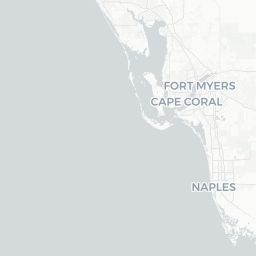
Palmona Park is a small unincorporated community in Lee County, Florida, with a population of just over 1,100 residents. Situated at roughly 26.69°N, it sits in Southwest Florida near the Caloosahatchee River corridor, placing it within easy reach of the Fort Myers metropolitan area.
The community is primarily residential and lacks major tourist infrastructure of its own. Visitors who find themselves in Palmona Park are typically passing through the broader Lee County region, using it as a quiet, affordable base rather than a standalone destination. The surrounding landscape is characteristic of Southwest Florida — flat terrain, subtropical vegetation, and proximity to waterways.
For practical purposes, most dining, accommodation, shopping, and attractions are found in neighboring Cape Coral or Fort Myers, both within a short drive. Palmona Park itself offers a low-key, local atmosphere that appeals to those who prefer to avoid busier resort areas.
Before You Go
Visas and Entry
Palmona Park is located in the United States. For visa and entry requirements, check TravelerPulse's Visas section and consult the U.S. Customs and Border Protection website or your home country's U.S. embassy for the most current information.
Climate
Southwest Florida has a subtropical climate with two dominant seasons. The dry season (November–April) brings warm days, low humidity, and minimal rainfall — the most comfortable time to visit. The wet season (May–October) features high humidity, daily afternoon thunderstorms, and the possibility of tropical storms or hurricanes, particularly June through September.
What to Pack
- Lightweight, breathable clothing year-round
- Rain gear or a compact umbrella if visiting in summer
- Sunscreen and insect repellent (mosquitoes are prevalent near waterways)
- Comfortable walking or water shoes
Getting There
Nearest Airport
Southwest Florida International Airport (RSW) in Fort Myers is the primary gateway for the region. It is served by numerous domestic carriers and some international routes. From RSW, Palmona Park is reachable by rental car or rideshare in under 30 minutes depending on traffic. Verify current transfer options and schedules locally.
By Car
Palmona Park is most practically accessed by car. It lies near major regional roadways connecting Fort Myers and Cape Coral. Rental cars are widely available at RSW. Having your own vehicle is strongly recommended, as the community has no significant local transit infrastructure.
By Bus
LeeTran, Lee County's public transit system, operates routes in the broader Fort Myers and Cape Coral areas. Whether specific routes serve Palmona Park directly should be verified on the LeeTran website or by contacting them before travel.
Getting Around
A personal vehicle or rideshare app (Uber and Lyft both operate in the Fort Myers–Cape Coral metro area) is the most practical way to get around Palmona Park and reach nearby destinations. There are no walkable commercial districts within the community itself.
Cycling is possible on quieter local roads, though dedicated cycling infrastructure is limited. For longer excursions into Fort Myers or Cape Coral, driving is the norm.
Things to See & Do
Palmona Park itself does not have dedicated tourist attractions, but its location in Lee County puts several worthwhile destinations within a short drive.
- Caloosahatchee River access: The river runs near the community and is popular for boating, kayaking, and fishing. Boat ramps and outfitters can be found in the surrounding area — verify current access points locally.
- Cape Coral canals and parks: Cape Coral, immediately adjacent, has an extensive canal system and several public parks worth exploring.
- Day trips: Edison and Ford Winter Estates, the IMAG History & Science Center, and Babcock Ranch are all reachable within roughly an hour.
The area is generally oriented toward outdoor and water-based recreation rather than cultural or urban tourism.
Food & Drink
Palmona Park has minimal dining options within its own boundaries. Residents and visitors typically travel to Cape Coral or Fort Myers for restaurants, cafés, and grocery stores.
Cape Coral's dining scene includes a range of casual waterfront restaurants, seafood spots, and chain establishments. Fort Myers offers more variety, including locally owned restaurants near the riverfront downtown area. For the freshest local seafood, look for restaurants sourcing grouper, snook, and shrimp from Florida waters — though always verify sourcing claims locally.
Grocery stores and convenience options are found along major commercial corridors in Cape Coral; verify current locations and hours before relying on them.
Practical Information
Emergency Services
In a medical or police emergency in Lee County, dial 911. Lee County Sheriff's Office and Lee Health hospital system serve the area. Verify the nearest urgent care or hospital location before your visit.
Connectivity
Mobile coverage from major U.S. carriers (Verizon, AT&T, T-Mobile) is generally reliable in the Lee County area. Free Wi-Fi is available at many cafés and public libraries in Fort Myers and Cape Coral.
Money
ATMs are available in Cape Coral and Fort Myers. Credit and debit cards are accepted almost universally at businesses in the region. Palmona Park itself has no commercial banking infrastructure.
Tipping
Standard U.S. tipping norms apply: 18–20% at sit-down restaurants, $1–2 per drink at bars, and a few dollars for taxi or rideshare drivers is customary.
Safety
Palmona Park is a quiet residential community and is generally considered safe. As with any area, take standard precautions: secure valuables in your vehicle out of sight, be aware of your surroundings at night, and follow posted water safety advisories if using the Caloosahatchee River or canals.
Florida's wet season brings lightning risk — take thunderstorm warnings seriously and seek shelter indoors. During hurricane season (June–November), monitor the National Hurricane Center (nhc.noaa.gov) for any active storm advisories that could affect Southwest Florida.
Alligators are present in Florida's freshwater bodies and canals. Keep a safe distance from any waterway edges, do not feed alligators, and keep children and pets away from canal banks.