Translate
Overview
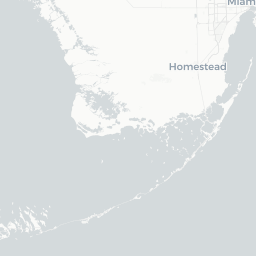
Miami Springs is a small, self-governed city of roughly 14,500 residents situated in Miami-Dade County, immediately north of Miami International Airport. It occupies a gentle bend in the Miami River's northwest branch and was originally developed in the 1920s by aviation pioneer Glenn Curtiss, who laid out its streets in a Spanish-Mediterranean style that still characterizes many of its older homes and public buildings.
Unlike the high-rise corridors of downtown Miami or the nightlife strip of Miami Beach, Miami Springs is resolutely a neighborhood city — tree-lined streets, low-rise architecture, local diners, and a walkable town circle near City Hall. Travelers tend to encounter it as a practical base: hotel rates near the airport corridor are often more competitive than those deeper in Miami, and the city sits within a short drive or transit ride of Coral Gables, Hialeah, and Miami International itself.
For visitors with a day or two to spare, the city rewards a slow walk through its historic residential blocks and a meal at one of its unpretentious local restaurants. It is not a destination in the conventional sense, but it is a genuinely functional and pleasant place to use as a launching point for exploring greater Miami-Dade County.
Before You Go
Visas & Entry
Miami Springs is in the United States. Entry requirements vary by nationality and travel history. Check TravelerPulse's Visas section for general guidance and consult the U.S. Customs and Border Protection website or your nearest U.S. embassy or consulate for official, up-to-date requirements before booking.
Climate
Miami Springs has a tropical monsoon climate. Winters (November–April) are warm and dry, with average highs in the low-to-mid 20s Celsius (mid-70s°F) — the most comfortable period to visit. Summers (June–October) are hot, humid, and prone to heavy afternoon thunderstorms. Hurricane season runs June through November; monitor NOAA forecasts if traveling during this period.
What to Pack
- Lightweight, breathable clothing year-round
- Rain jacket or compact umbrella in summer
- Sunscreen and sunglasses — UV intensity is high even in winter
- Comfortable walking shoes for exploring the town circle and residential streets
Health
No special vaccinations are required for travel within the United States for most visitors. Tap water is safe to drink. The nearest major hospital is Jackson Memorial Medical Center in Miami; verify current emergency and urgent care options locally upon arrival.
Getting There
By Air
Miami International Airport (MIA) is the primary gateway and is effectively adjacent to Miami Springs — the city borders the airport's perimeter. MIA serves dozens of international and domestic carriers and is one of the busiest airports in the southeastern United States. Transit from the terminal to the Miami Springs area takes only a few minutes by ground transportation.
By Road
Miami Springs sits at the intersection of several major arteries including NW 36th Street (State Road 948) and the Palmetto Expressway (SR 826). Rental car desks are available at MIA. Rideshare services (Uber, Lyft) operate extensively throughout the area. If arriving from elsewhere in Florida, I-95 and the Florida Turnpike both connect to the Miami-Dade road network within easy reach.
By Rail & Transit
The Miami-Dade Metrorail's Hialeah station and the Airport station are the closest Metrorail stops, with bus connections into Miami Springs. The Miami Airport Central Station also serves the Miami Intermodal Center, which links Amtrak's Silver Service/Palmetto routes (stopping at Miami's downtown station) with shuttle connections to MIA. Verify current bus route and schedule details with Miami-Dade Transit before travel.
Getting Around
Miami Springs is a compact city and many of its central blocks — around the town circle, Curtiss Parkway, and Westward Drive — are walkable. A car or rideshare remains the most practical way to reach surrounding neighborhoods and Miami attractions.
Miami-Dade Transit operates bus routes through and near Miami Springs; confirm current routes and schedules at miamidade.gov/transit or on the agency's official app. The Metrorail is accessible with a short bus or rideshare connection and provides car-free access to Coral Gables, Coconut Grove, and downtown Miami.
Rideshare services (Uber and Lyft) are readily available given proximity to the airport and are generally the fastest point-to-point option for visitors without a rental car. Taxis can also be found at MIA.
Things to See & Do
Miami Springs does not have major tourist attractions in its own right, but it offers a handful of genuine local experiences and serves as a convenient base for the broader region.
In Miami Springs
- Town Circle & Curtiss Parkway: The historic core of the city features the distinctive Mediterranean Revival architecture commissioned by Glenn Curtiss in the 1920s. A walk through this area is a low-key way to absorb the city's character.
- Miami Springs Golf & Country Club: A public golf course operated within the city. Verify current hours and green fees directly with the facility before visiting.
- Miami River (northwest branch): The area around the river offers quiet spots for casual walks and glimpses of South Florida's subtropical landscape.
Day Trips from Miami Springs
The city's real value is its access to greater Miami-Dade County. Coral Gables (historic architecture, the Venetian Pool), Hialeah (Hialeah Park, Cuban-American culture), Miami Beach (Art Deco Historic District, ocean beaches), Wynwood (street art, galleries), and the Florida Everglades are all reachable within 30–60 minutes.
Food & Drink
Miami Springs has a modest but genuine local dining scene oriented toward residents rather than tourists, which generally keeps quality-to-price ratios reasonable. Cuban and Latin American food is well represented, reflecting the demographics of greater Miami-Dade County.
The main dining corridor runs along Curtiss Parkway and Westward Drive near the town circle. Expect casual diners, Cuban lunch counters (ventanitas), family restaurants, and a handful of sports bars. Avoid making reservations based on online reviews alone — independently verify that establishments are still operating before visiting, as the small-city dining scene can change.
For a wider range of options including fine dining, craft cocktail bars, and international cuisine, Coral Gables and downtown Miami are 15–25 minutes away by car or rideshare.
Practical Information
Emergency Services
In any emergency in the United States, dial 911 for police, fire, or ambulance. The Miami Springs Police Department handles local law enforcement; for non-emergencies, verify the current non-emergency number on the City of Miami Springs official website.
Money
ATMs are available near the airport and along main commercial streets. Major credit cards are accepted almost universally. Small local counters (ventanitas) may prefer cash — carry some USD for flexibility.
Connectivity
Mobile coverage from all major U.S. carriers (AT&T, T-Mobile, Verizon) is reliable throughout Miami Springs. Free Wi-Fi is available at MIA and at many cafés. International visitors should confirm roaming plans or consider purchasing a U.S. SIM upon arrival at the airport.
Tipping
Standard U.S. tipping conventions apply: 18–20% at sit-down restaurants, $1–2 per drink at bars, and a few dollars per bag for hotel porters. Tipping is customary and forms part of service workers' expected income.
Useful Links
Verify local services, city events, and municipal information at the official City of Miami Springs website. Miami-Dade County also maintains resources at miamidade.gov.
Safety
Miami Springs is generally considered one of the safer communities in Miami-Dade County, functioning as a quiet residential city with a relatively stable population. Standard urban travel precautions apply: keep valuables out of sight in parked vehicles, stay aware of your surroundings at night, and avoid leaving bags unattended.
The area immediately around Miami International Airport can be busy and congested; exercise normal road safety and be cautious of pedestrian traffic near airport access roads. As with all travel to the United States, travelers should have adequate travel and health insurance before departure.
Monitor local weather alerts during hurricane season (June–November). The National Hurricane Center (nhc.noaa.gov) is the authoritative source for storm tracking.