Overview
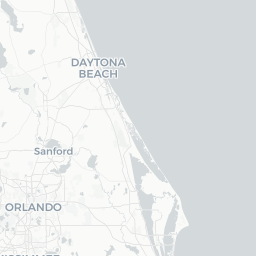
Melbourne is a mid-sized coastal city in Brevard County, Florida, situated on the Atlantic side of the state roughly midway down the peninsula. With a population of around 85,000, it sits at the southern end of Florida's Space Coast — a stretch of coastline defined by its long association with NASA and the aerospace industry at nearby Kennedy Space Center.
The city straddles the Indian River Lagoon, one of the most biodiverse estuaries in North America, and is connected to Melbourne Beach and Indialantic on the barrier island to the east. Visitors find a relaxed, unpretentious atmosphere that contrasts with the busier resort towns of Central and South Florida.
Melbourne draws a mix of travelers: space enthusiasts heading up the coast to watch launches, outdoor recreationists drawn to the lagoon and Atlantic beaches, and those seeking a quieter Florida beach-town experience. Downtown Melbourne has a modest historic district with independent restaurants, galleries, and live music venues.
Before You Go
Visas
Melbourne is a domestic US destination. International travelers should verify current US entry requirements through TravelerPulse's Visas section and the official US Customs and Border Protection website before booking.
Weather
Melbourne has a humid subtropical climate. Summers (June–September) are hot, humid, and frequently bring afternoon thunderstorms; temperatures regularly exceed 90°F (32°C). The Atlantic hurricane season runs June through November, with peak activity in August and September. Winters are mild and largely dry, making October through April the most comfortable period for most visitors.
What to Pack
- Lightweight, breathable clothing year-round
- Sunscreen and UV-protective clothing — the Florida sun is intense even in winter
- Rain jacket or small umbrella if visiting in summer
- Insect repellent for lagoon and nature areas
- Water shoes if you plan to kayak or wade in the lagoon
Getting There
By Air
Melbourne Orlando International Airport (MLB) serves the city with regional and connecting flights. It is a smaller facility, which many travelers appreciate for its ease of use. For more flight options, Orlando International Airport (MCO) is approximately 60–70 miles northwest and is served by a wide range of domestic and international carriers. Verify current routes and schedules directly with airlines, as service at MLB can change.
By Car
Interstate 95 runs directly through the Melbourne area and is the primary highway corridor connecting the city to Orlando (via the Beachline Expressway / SR-528), Jacksonville to the north, and Miami to the south. Driving is the most practical way to reach Melbourne and to get around once there.
By Bus
Greyhound and other regional bus services connect Melbourne to broader Florida destinations. Check current schedules and stop locations directly with carriers before traveling.
Getting Around
Melbourne is oriented around car travel, and most visitors will find a rental car or personal vehicle essential. The city is spread out, and distances between the mainland, the lagoon waterfront, and the barrier island beaches require crossing causeways.
Space Coast Area Transit (SCAT) operates local bus routes throughout Brevard County. Service frequency is limited compared to larger metro areas, so verify current routes and schedules at the Brevard County Transit website before relying on it.
Ride-sharing services operate in Melbourne and are generally reliable for getting between the airport, downtown, and beach areas. Cycling is feasible in some neighborhoods and along the beach communities on the barrier island, which tend to be flat and pedestrian-friendly.
Things to See & Do
Space Coast Launches
Melbourne's most distinctive attraction is the proximity to active rocket launch facilities. Kennedy Space Center (KSC) is roughly 30–35 miles north. Launches from KSC and Cape Canaveral Space Force Station are visible from Melbourne's beaches and the causeways when conditions allow — check launch schedules through NASA and the Space Force in advance, as dates shift frequently.
Kennedy Space Center Visitor Complex
A full day at the KSC Visitor Complex is well worth the trip for anyone interested in space history or current missions. The complex includes exhibits on historic and current programs, a Saturn V rocket display, and opportunities to meet astronauts (schedules vary). Admission fees and hours should be confirmed on the official KSC website before your visit.
Indian River Lagoon
The lagoon running along Melbourne's western shore is home to manatees, dolphins, hundreds of bird species, and diverse marine life. Kayaking and paddleboarding on the lagoon are popular activities, and several local outfitters offer rentals and guided tours — verify current operators locally.
Downtown Melbourne
The compact historic downtown along New Haven Avenue and Eau Gallie Arts District offer independent shops, galleries, breweries, and live music. The Eau Gallie Arts District, a few miles north of downtown, hosts regular arts events and has a distinct creative character.
Beaches
Melbourne Beach and Indialantic, on the Atlantic barrier island, provide relatively uncrowded stretches of beach compared to better-known Florida destinations. The area also has surf breaks that draw a local surfing community.
Food & Drink
Melbourne's dining scene centers on seafood, with fresh catches from the Atlantic and the lagoon featuring prominently on local menus. The downtown and Eau Gallie areas have the densest concentration of independent restaurants and bars, ranging from casual fish shacks to sit-down dining.
The city and surrounding Brevard County have developed a notable craft brewery scene. Several local breweries operate taprooms in and around Melbourne; checking local listings or asking locally will point you to current options, as the landscape shifts.
For everyday dining, the barrier island beach communities of Melbourne Beach and Indialantic have casual, waterfront-adjacent spots well suited to post-beach meals. The broader Melbourne metro also has the full range of national chain restaurants common to mid-sized US cities.
Practical Information
Emergency Services
In any emergency in the United States, dial 911 for police, fire, or ambulance.
Connectivity
Cell coverage from major US carriers is generally reliable throughout Melbourne and along the main coastal strip. Free Wi-Fi is available at the public library and many cafés and restaurants.
Money
Credit and debit cards are accepted almost universally. ATMs are available at banks, gas stations, and grocery stores throughout the city.
Tipping
Conventional US tipping practices apply: 18–20% at restaurants, a few dollars for taxi or rideshare drivers, and standard hotel housekeeping gratuities.
Medical
Health First Holmes Regional Medical Center is the major hospital serving the Melbourne area. Urgent care clinics are also available for non-emergency needs — verify locations and hours locally or through an online search before your trip.
Safety
Melbourne is generally considered a safe destination for travelers exercising normal urban awareness. Standard precautions apply: avoid leaving valuables visible in parked cars, be aware of your surroundings in unfamiliar areas at night, and keep important documents secure.
Outdoor safety considerations are worth noting. Ocean currents and rip tides on Atlantic-facing beaches can be hazardous; swim at patrolled beaches when lifeguards are on duty and observe posted flags. In summer, afternoon lightning storms develop quickly — leave the water and seek shelter as soon as you hear thunder. Florida's wildlife, including alligators near freshwater and lagoon areas, should be observed from a distance and never fed.