Overview
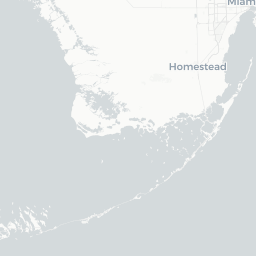
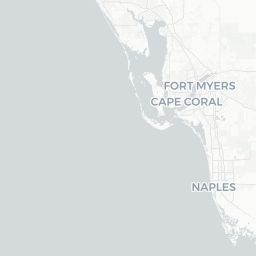
Lake Lucerne is a small, primarily residential community in Miami-Dade County, Florida, with a population of roughly 9,000. It sits at a latitude of approximately 25.97°N, placing it in the northern Miami-Dade suburbs, well within the broader South Florida metropolitan area.
The community is not a standalone tourist destination in the conventional sense. Travelers typically use it as a quiet, affordable base from which to access the beaches, cultural institutions, restaurants, and entertainment of Miami, Fort Lauderdale, and the surrounding region. Its suburban character means daily life here is unhurried, oriented around neighborhoods and local services rather than visitor attractions.
Because Lake Lucerne blends into the broader Miami-Dade suburban fabric, visitors should plan most sightseeing excursions outward. The real draw is proximity — within a reasonable drive lie the Atlantic Ocean, the Florida Everglades, and one of the most culturally diverse urban centers in the United States.
Before You Go
Visas and Entry
Lake Lucerne is in the United States. Entry requirements depend on your nationality. Check TravelerPulse's Visas section and the official U.S. Customs and Border Protection website for current requirements before booking travel.
Climate
South Florida has a tropical monsoon climate. Winters (November–April) are warm and relatively dry — the most comfortable period for most visitors. Summers bring high humidity, frequent afternoon thunderstorms, and heat indices that can feel extreme. Hurricane season runs from June 1 through November 30; monitor NOAA advisories if traveling in this window.
What to Pack
- Lightweight, breathable clothing year-round
- Rain gear or a compact umbrella, especially May–October
- Sunscreen and insect repellent
- A light layer for air-conditioned interiors, which are often cold
Health Notes
No special vaccinations are required for domestic travel within the U.S. Mosquito activity is elevated in summer months; standard precautions apply. Verify any personal health or travel insurance needs before departure.
Getting There
By Air
Miami International Airport (MIA) is the primary gateway for the region and is one of the busiest airports in the southeastern United States. Fort Lauderdale-Hollywood International Airport (FLL), roughly 25–35 miles north, often offers competitive fares and is another practical option. Verify current ground transportation times based on your specific accommodation address, as Miami-Dade traffic is variable.
By Road
Lake Lucerne is accessible via the Interstate 95 and Florida's Turnpike corridor. Driving is the dominant mode of transportation in this part of Florida. Rental cars are widely available at both major airports.
By Bus / Rail
Amtrak's Silver Service and Auto Train routes serve Miami. Miami-Dade Transit and Broward County Transit bus networks cover parts of the region; check route maps to confirm coverage near your specific address in Lake Lucerne.
Getting Around
A personal vehicle or rental car is the most practical way to get around Lake Lucerne and reach regional attractions. The suburban layout is not designed for walkability beyond local errands.
Rideshare services (Uber and Lyft) operate throughout Miami-Dade County and are a reliable alternative for those without a car, particularly for trips into Miami or to the airport. Confirm availability and surge pricing during peak hours or special events.
Miami-Dade Transit operates Metrobus and Metrorail lines across the county. Depending on the specific location within Lake Lucerne, bus connections may be available; verify routes and schedules at the Miami-Dade Transit official website before relying on public transit for time-sensitive travel.
Things to See & Do
Lake Lucerne itself does not have major visitor attractions, but its location in Miami-Dade County puts a wide range of experiences within reach.
Outdoor and Nature
- Everglades National Park — One of the largest subtropical wilderness areas in North America, accessible within roughly an hour's drive. Airboat tours, hiking, and wildlife observation (including alligators, wading birds, and manatees) are popular draws.
- Oleta River State Park — Florida's largest urban park, offering kayaking, mountain biking, and swimming in Biscayne Bay.
- Atlantic beaches — Hollywood Beach, Hallandale Beach, and Miami Beach are all within reasonable driving distance.
Culture and History
- Miami's Wynwood Walls (outdoor street art museum), the Pérez Art Museum Miami (PAMM), and the Vizcaya Museum and Gardens offer distinct cultural experiences. Verify hours and admission fees on official sites before visiting.
- Little Havana and Little Haiti neighborhoods provide insight into Miami's multicultural identity through food, music, and local commerce.
Food & Drink
Lake Lucerne's immediate area has local convenience stores, fast-food chains, and neighborhood restaurants typical of Miami-Dade suburbs. For a broader dining experience, the Miami metropolitan area is one of the most culinarily diverse in the country.
Cuban, Haitian, Colombian, Peruvian, and Caribbean cuisines are all well represented within the region and often available at affordable price points. Miami's Brickell and Downtown neighborhoods have a concentrated restaurant scene. Little Havana's Calle Ocho is a well-known corridor for Cuban food and coffee.
Florida seafood — stone crab (seasonal, roughly October–May), grouper, and shrimp — is widely available at coastal restaurants. Verify current stone crab season dates with the Florida Fish and Wildlife Conservation Commission, as seasons are regulated.
Practical Information
Emergency Services
The United States emergency number is 911 for police, fire, and medical emergencies. Non-emergency police contact in Miami-Dade County: verify the current number via the Miami-Dade Police Department's official website.
Connectivity
Cell coverage is strong throughout Miami-Dade County. Free Wi-Fi is available at most hotels, many restaurants, and public libraries. Major U.S. carriers (AT&T, Verizon, T-Mobile) all have good coverage here.
Money
ATMs are widely available. Credit and debit cards are accepted at virtually all businesses. Sales tax in Florida is charged on most goods and some services; verify the current Miami-Dade County combined rate locally, as it can differ from the state base rate.
Tipping
Tipping is standard practice in the U.S. Customary ranges: 18–20% at restaurants, $1–2 per drink at bars, $2–5 per night for hotel housekeeping, 15–20% for rideshare drivers and taxi services.
Safety
Lake Lucerne is a residential community. As with any suburban area in a large metropolitan region, standard urban safety awareness applies: be mindful of your surroundings, secure valuables in your vehicle out of sight, and avoid leaving bags unattended.
South Florida roads carry heavy traffic, particularly on I-95 and US-1 during rush hours. Pedestrian infrastructure can be limited in suburban areas; exercise caution when walking near busy roads.
During summer, heat exhaustion and sunburn are genuine risks. Stay hydrated, limit midday sun exposure, and use sunscreen. If visiting natural areas such as the Everglades, follow park guidelines regarding wildlife — alligators and venomous snakes are present.
Hurricane preparedness: if a storm threatens during your visit, follow guidance from local authorities and the National Hurricane Center (nhc.noaa.gov). Know your accommodation's evacuation plan.