Translate

Overview
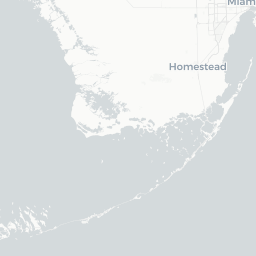
Coral Terrace is a small, unincorporated community in Miami-Dade County, situated just southwest of Miami proper. With a population of roughly 24,000, it functions primarily as a residential neighborhood rather than a tourist destination in its own right. Its character is shaped by a diverse, largely Latino population and a mix of single-family homes and small commercial strips.
For travelers, Coral Terrace is most useful as a quieter, more affordable base from which to explore the broader Miami metro area. Coral Gables, Coconut Grove, Little Havana, and Miami's famous beaches are all within a short drive. The community itself offers everyday conveniences — grocery stores, local restaurants, and pharmacies — without the noise and pace of central Miami.
Because Coral Terrace is unincorporated, it is governed by Miami-Dade County rather than a municipal government. This means visitors won't find a classic downtown or city hall; instead, the area blends seamlessly into surrounding communities. Travelers looking for resort amenities or major attractions should plan excursions into neighboring cities.
Before You Go
Visas and Entry
Coral Terrace is in the United States. Entry requirements depend on your nationality. For current visa rules, check TravelerPulse's Visas section and the official U.S. Customs and Border Protection website.
Climate
South Florida has a tropical monsoon climate. Winters (November–April) are warm and relatively dry, with daytime temperatures typically in the low-to-mid 20s°C (low-to-mid 70s°F). Summers are hot and humid, with frequent afternoon thunderstorms and temperatures often exceeding 32°C (90°F). Hurricane season runs June through November; monitor forecasts if visiting during this period.
What to Pack
- Lightweight, breathable clothing year-round
- Rain jacket or compact umbrella, especially May–October
- Sunscreen and sunglasses — UV intensity is high
- Comfortable walking shoes; the area is car-dependent
- Mosquito repellent if spending time outdoors in summer
Getting There
By Air
Miami International Airport (MIA) is the primary gateway, located approximately 5–8 miles northeast of Coral Terrace. Fort Lauderdale-Hollywood International Airport (FLL) is a further option, roughly 30 miles north, and is served by numerous budget carriers.
By Road
Coral Terrace is accessible via the Florida Turnpike and several major Miami-Dade arterials including SW 8th Street (Calle Ocho) and Bird Road (SW 40th Street). If driving from elsewhere in Florida, I-95 and the Turnpike are the primary routes into the area.
By Bus
Miami-Dade Transit operates bus routes that serve Coral Terrace and connect it to surrounding communities and Metrorail stations. Verify current routes and schedules on the Miami-Dade Transit official website before your trip, as service details change.
Getting Around
Coral Terrace is not walkable in the traditional tourist sense — it is a suburban residential area designed around car travel. Having a rental car or using a rideshare app (Uber and Lyft both operate extensively throughout Miami-Dade) is the most practical approach for visitors.
Miami-Dade Transit's bus network does connect parts of Coral Terrace to the broader metro area, including Metrorail stations where you can access downtown Miami and other hubs without driving. Verify specific routes and schedules locally or on the Miami-Dade Transit website, as service patterns vary.
Cycling infrastructure is limited in this part of Miami-Dade, though Miami-Dade has been expanding its trail network. Check locally for the most current bike lane and trail information if you plan to cycle.
Things to See & Do
Coral Terrace itself does not have major tourist attractions, but its location places it within easy reach of some of Miami-Dade's most visited destinations.
Nearby Highlights Worth the Short Drive
- Little Havana — One of Miami's most culturally rich neighborhoods, known for its Cuban heritage, street murals, cigar shops, and the famous Calle Ocho corridor. A short drive northeast.
- Coral Gables — An elegant planned city with Mediterranean Revival architecture, the Venetian Pool (a public pool carved from a coral rock quarry), and the Miracle Mile shopping district.
- Coconut Grove — Miami's oldest continuously inhabited neighborhood, featuring waterfront parks, boutique shopping, and a relaxed atmosphere.
- Brickell and Downtown Miami — The financial and cultural core of Miami, with museums, the Pérez Art Museum Miami (PAMM), and Bayfront Park.
- Miami Beach — Roughly 20–25 minutes by car, offering the famous Art Deco Historic District, South Beach, and the Bass Museum of Art.
For those who prefer outdoor time closer to home, several neighborhood parks within Miami-Dade County are within a short drive. Verify specific park hours and facilities locally or through Miami-Dade County Parks.
Food & Drink
Coral Terrace's dining scene reflects the surrounding community's demographics — predominantly Cuban and broader Latin American cuisines are well represented at local, no-frills restaurants along the main commercial corridors. Visitors can expect to find Cuban sandwiches, empanadas, ropa vieja, and other staples at modest prices at family-run spots.
Bird Road and SW 8th Street (Calle Ocho) passing through or near the community have a variety of casual eateries, bakeries (panaderías), and cafés. This is a neighborhood dining scene rather than a destination dining scene — unpretentious and largely aimed at residents.
For a wider range of restaurants, including fine dining and international cuisine, the nearby neighborhoods of Coral Gables, Coconut Grove, and Brickell offer considerably more variety. Little Havana's Calle Ocho is particularly worth visiting for its concentration of Cuban restaurants and the lively street atmosphere, especially on the last Friday of each month (Viernes Culturales).
Practical Information
Emergency Services
In any emergency in the United States, dial 911 for police, fire, or ambulance.
Health
Travel health insurance is strongly recommended when visiting the United States, as healthcare costs without coverage can be very high. Pharmacies (including national chains) are available in and around Coral Terrace for minor needs.
Money
ATMs are widely available. Major credit and debit cards are accepted at virtually all businesses. Tipping is customary in restaurants (typically 18–20%), taxis, and for various services.
Connectivity
Mobile network coverage (all major U.S. carriers) is strong throughout the Miami-Dade area. Wi-Fi is available at most hotels and many cafés. International visitors should verify roaming charges with their carrier or consider a local SIM card.
Safety
Coral Terrace is a residential community and is generally calm in character. As with any urban and suburban area, standard precautions apply: be aware of your surroundings, secure valuables in your vehicle out of sight, and avoid leaving luggage visible in a parked car.
Summer brings the risk of severe afternoon thunderstorms — seek shelter indoors if lightning is in the area, as South Florida has one of the highest lightning strike rates in the United States. During hurricane season (June–November), monitor NOAA and local news for any storm warnings and familiarize yourself with your accommodation's emergency procedures.
For the most current local safety information, visitors can consult the Miami-Dade Police Department's public resources or check with their accommodation upon arrival.