Overview
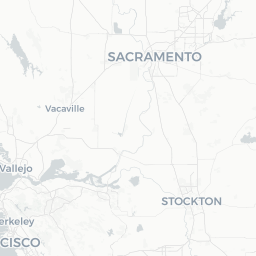
San Pablo is a small, densely populated city in Contra Costa County, situated in the western East Bay region of the San Francisco Bay Area. With a population of roughly 30,000, it occupies just over 2.5 square miles and is one of the most densely settled communities in the county. It borders Richmond to the north and west, El Cerrito to the south, and Pinole and Hercules further north.
The city has a distinctly working-class character shaped by waves of immigration, particularly from Latin America and Southeast Asia, making it one of the more culturally diverse small cities in California. San Pablo Avenue, the main commercial corridor, runs through the heart of the city and connects it to a string of East Bay communities.
San Pablo is rarely a primary destination for tourists, but it functions well as an affordable, centrally located base for visitors who want access to Berkeley, Oakland, and Richmond without paying those cities' accommodation prices. Its straightforward street grid and transit connections make it easy to navigate.
Before You Go
Visas and Entry
San Pablo is in the United States. Entry requirements vary by nationality. Check TravelerPulse's Visas section and the U.S. Customs and Border Protection website (cbp.gov) for current requirements before travel.
Climate
San Pablo experiences a Mediterranean climate: dry summers with temperatures typically ranging from the mid-60s to low 80s°F (roughly 18–28°C), and mild, wet winters. Fog can roll in from the bay on summer mornings and evenings. A light jacket is useful year-round.
What to Bring
- Layers for fog and evening coolness even in summer
- Comfortable walking shoes
- BART Clipper card or cash for transit (verify current payment methods at bart.gov)
- A car is helpful for reaching destinations beyond immediate transit lines
Getting There
By Air
The closest major airport is Oakland International Airport (OAK), approximately 15–20 miles south. San Francisco International Airport (SFO) and Mineta San José International Airport (SJC) are also within reasonable distance. From OAK, BART connects via the Coliseum station to the broader East Bay network.
By BART
The El Cerrito del Norte BART station is the closest rapid-transit stop to San Pablo, located just south of the city boundary. AC Transit bus lines connect that station to San Pablo's core. Verify current routes and schedules at 511.org or actransit.org.
By Car
Interstate 80 passes nearby, and San Pablo Avenue (former U.S. Route 40) is the primary surface arterial through the city. Parking on residential streets is generally available but check posted signs carefully.
Getting Around
San Pablo is compact enough that many errands within the city are walkable once you are in the right neighborhood. San Pablo Avenue is the spine of the city and has bus service along its length.
AC Transit operates several lines through San Pablo, connecting it to Richmond BART, El Cerrito del Norte BART, and points beyond. Clipper cards are the most convenient way to pay; verify current fares and routes at actransit.org.
Rideshare services (Uber, Lyft) are available and typically responsive given the city's Bay Area location. A personal vehicle is the most flexible option for reaching parks, the shoreline, and destinations in Richmond or the broader county.
Things to See & Do
San Pablo Lytton Casino
San Pablo Lytton Casino, operated by the Lytton Band of Pomo Indians, is the city's most prominent entertainment venue. It offers gaming, dining, and occasional live entertainment. Verify hours and current offerings directly with the casino before visiting.
Nearby Open Space
While San Pablo itself has limited parkland, the broader region offers significant outdoor recreation. Point Pinole Regional Shoreline in adjacent Richmond provides marsh trails, bay views, and fishing piers managed by the East Bay Regional Park District (ebparks.org).
San Pablo Avenue Corridor
A walk or drive along San Pablo Avenue gives a street-level view of the city's multicultural commercial life — taquerias, Vietnamese restaurants, Filipino markets, and independent shops. It is an honest portrait of a working Bay Area community rather than a curated tourist strip.
Proximity to Cultural Sites
Berkeley's museums, UC Berkeley campus, and arts venues are roughly 15–20 minutes south by car or bus. The Richmond Art Center and Craneway Pavilion on the Richmond waterfront are also close.
Food & Drink
San Pablo's dining scene reflects its demographics: Mexican and Central American taquerias and restaurants are the strongest category, followed by Southeast Asian (Vietnamese, Filipino) and Chinese options. Most establishments are independent and unpretentious.
San Pablo Avenue and the streets immediately off it are where most dining options cluster. Prices tend to be lower than in Berkeley or Oakland, which can be a genuine advantage for budget-conscious travelers.
For groceries, several independent Latin markets and at least one major chain supermarket serve the city. Verify current business hours locally, as smaller establishments can keep variable schedules.
Alcoholic beverages are available at the casino, at licensed restaurants, and at liquor and grocery stores. There is no notable craft-beer or wine destination within the city itself; for that, Berkeley and Oakland offer far more options a short drive away.
Practical Information
Emergency Services
For any emergency in the United States, dial 911. For non-emergency police matters in San Pablo, contact the San Pablo Police Department; look up the current non-emergency number on the City of San Pablo's official website (cityofsanpablo.com).
Health
The closest major hospital facilities are in Richmond and Berkeley. Verify the nearest urgent care or emergency room before you need one. U.S. healthcare can be expensive without insurance; travel health insurance is strongly recommended for international visitors.
Money
ATMs are available at the casino and at bank branches along San Pablo Avenue. Most businesses accept major credit and debit cards, though some smaller independent shops may be cash-preferred.
Connectivity
Cellular coverage (all major U.S. carriers) is reliable throughout the city. Free Wi-Fi is available at the Contra Costa County Library branch in San Pablo; verify current hours at ccclib.org.
Useful Websites
- City of San Pablo: cityofsanpablo.com
- AC Transit: actransit.org
- BART: bart.gov
- East Bay Regional Park District: ebparks.org
Safety
San Pablo has historically had elevated crime rates relative to California averages, though conditions vary by neighborhood and change over time. Visitors should check current local reporting and City of San Pablo public safety communications for the most up-to-date picture.
As in any urban area, standard precautions apply: be aware of your surroundings, avoid displaying valuables conspicuously, and keep car doors locked. San Pablo Avenue and well-trafficked commercial areas are generally active and reasonably safe during daylight hours.
At night, stick to well-lit corridors and use rideshare rather than walking unfamiliar routes. The casino area is typically well-monitored. If you experience any crime, contact San Pablo Police (911 for emergencies) and, for international visitors, notify your country's nearest consulate.
Local Culture & Etiquette
San Pablo's identity is rooted in its diversity. Latino residents—many with ties to Mexico and Central America—form the largest cultural group, and Spanish is genuinely a functional second language in daily commercial life. Filipino, Vietnamese, and other Asian communities also have significant presences.
The city was incorporated in 1948 and sits on land that was historically part of large Spanish and Mexican land grants. The broader Richmond–San Pablo area played an important role in World War II industrial production, drawing African American and Latino workers from across the country, a legacy that still shapes the region's demographics.
Visitors should approach the community with straightforward respect. This is a place where people live and work, not a heritage showcase, and the most rewarding interactions tend to come from treating local businesses and residents with ordinary courtesy.