Translate


Overview
Williams is a small city of roughly 3,000 people situated at about 6,750 feet elevation in Coconino County, northern Arizona. It sits along historic U.S. Route 66 and serves as the southern terminus of the Grand Canyon Railway, making it the most popular base for travelers heading to the Grand Canyon's South Rim, approximately 60 miles to the north.
Despite its modest size, Williams punches above its weight for a stopover town. The downtown strip along Route 66 retains genuine mid-20th-century character — neon signs, diners, and trading posts — without feeling artificially curated. The surrounding Kaibab National Forest offers hiking, mountain biking, and wildlife viewing practically from the edge of town.
The city's high desert climate means four distinct seasons. Summers are warm but not extreme by Arizona standards, with afternoon monsoon storms common in July and August. Winters bring genuine snowfall and cold nights, which can add atmosphere but also requires planning for road conditions on the drive to the canyon rim.
Before You Go
Visas
Williams is a domestic U.S. destination. International visitors should check TravelerPulse's Visas section and consult the U.S. Citizenship and Immigration Services (USCIS) or their nearest U.S. embassy for current entry requirements.
Grand Canyon Reservations
Entry to Grand Canyon National Park requires a fee, and during peak season (May–September) timed-entry permits have been piloted for private vehicles on certain corridors. Check the National Park Service website (nps.gov/grca) well in advance to confirm current reservation requirements and fees before your trip.
Altitude
Williams sits above 6,700 feet. Visitors arriving from sea level may notice mild effects such as shortness of breath or headaches for the first day. Stay hydrated and take it easy on arrival.
What to Pack
- Layers for temperature swings; even summer nights can be cool at elevation
- Sun protection (sunscreen, hat, sunglasses) — UV exposure is stronger at altitude
- Rain gear if visiting July–August during monsoon season
- Sturdy footwear if you plan to hike in the national forest or at the canyon
Getting There
By Car
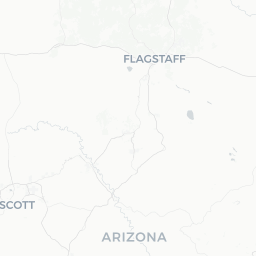
Williams sits directly on Interstate 40 (the former alignment of Route 66), roughly 30 miles west of Flagstaff and about 150 miles north of Phoenix. It is the most practical access point for drivers heading to the Grand Canyon South Rim via Highway 64 North.
By Train
Amtrak's Southwest Chief route stops at Flagstaff (not Williams itself). From Flagstaff, the Grand Canyon Railway depot at Williams Junction connects to the Williams depot via a shuttle, with the vintage train then running north to the canyon. Verify current Amtrak schedules at amtrak.com before booking.
By Air
The nearest major airport is Flagstaff Pulliam Airport (FLG), approximately 35 miles east. Phoenix Sky Harbor International Airport (PHX) is the primary hub for the region, about 150 miles south; travelers renting a car from Phoenix can reach Williams in roughly 2 to 2.5 hours depending on traffic.
Getting Around
Williams itself is very walkable — the downtown core along Route 66 can be covered on foot in under 20 minutes. A car is, however, essential for reaching the Grand Canyon, Kaibab National Forest trailheads, and most attractions outside the immediate town center.
The Grand Canyon Railway offers a car-free alternative to the canyon, departing from the historic Williams depot and arriving at the South Rim's Grand Canyon Village. The round trip takes most of a day. Check the Grand Canyon Railway website (thetrain.com) for current schedules, fares, and seasonal offerings such as dinner trains and themed excursions.
Ride-share services operate in Williams but availability can be limited given the town's small size. Confirm your return options before relying solely on a ride-share for longer trips.
Where to Stay
Williams offers a range of accommodation scaled to a small gateway town: national chain motels, independent Route 66-themed motor lodges, a few bed-and-breakfast properties, RV parks, and campgrounds in the surrounding national forest. Availability tightens considerably from late May through August and on holiday weekends, so booking several weeks or months ahead is advisable during peak season.
Staying in Williams rather than at the canyon itself generally means lower nightly rates and more accommodation choices, at the cost of a 60-mile drive each morning. For visitors using the Grand Canyon Railway, Williams is the logical overnight base by default.
Camping in Kaibab National Forest dispersed areas is an option for those with appropriate gear; consult the U.S. Forest Service (fs.usda.gov) for current rules, fire restrictions, and designated camping areas before setting out.
Things to See & Do
Grand Canyon Railway
The restored 1908-era steam and diesel locomotives run from Williams depot to the South Rim and back. The journey takes about two hours each way through open rangeland and ponderosa pine forest. It is one of the few ways to reach the canyon without driving, and the trains themselves are a draw in their own right.
Historic Route 66
Williams bills itself as the last town to be bypassed by Interstate 40 when the historic highway was decommissioned in 1984, a fact that lends some authenticity to its Route 66 identity. Walking the main drag — past neon-lit motels, retro diners, and souvenir shops — gives a genuine sense of mid-century American road culture.
Kaibab National Forest
The Tusayan Ranger District and Williams Ranger District of the Kaibab National Forest surround the town. Trails for hiking and mountain biking are accessible nearby. The forest also supports elk, mule deer, and wild turkey populations; early mornings and evenings offer the best wildlife sightings.
Bearizona Wildlife Park
This drive-through and walk-through wildlife park on the eastern edge of Williams features native North American animals including black bears, wolves, bison, and birds of prey. Verify current hours and admission prices directly with Bearizona before visiting, as these change seasonally.
Planes of Fame Air Museum (Valle)
A satellite location of the California-based Planes of Fame museum is located in Valle, roughly 30 miles north of Williams toward the canyon. It houses a collection of vintage and historic aircraft. Confirm current operating status before making a special trip.
Food & Drink
Williams has a compact but functional dining scene oriented toward road-trippers and canyon-bound tourists. Route 66 diners serving American comfort food — burgers, steaks, pie — are the dominant format, and several do it well. A handful of Mexican and Southwestern restaurants reflect the regional culinary tradition.
The Grand Canyon Brewing + Distillery, located in Williams, is a locally operated craft brewery and distillery worth a visit for a post-hike beer or a tasting of their spirits. Hours and offerings should be verified directly, as small producers adjust seasonally.
Grocery options in town are limited. Visitors planning extended stays or self-catering should stock up in Flagstaff, which has a wider range of supermarkets. Dining options at the Grand Canyon South Rim itself are available but tend to be expensive and very busy during peak season; having at least breakfast in Williams before heading north is a practical strategy.
Practical Information
Emergency Services
Dial 911 for police, fire, and medical emergencies anywhere in the United States.
Medical
Williams has limited medical facilities for a town its size. Flagstaff Medical Center in Flagstaff (approximately 35 miles east) is the nearest full-service hospital. For non-urgent care, verify locally whether an urgent care clinic operates in town.
Connectivity
Cell coverage is generally reliable in Williams on major U.S. carriers. Coverage drops significantly once you travel north into the national forest and toward the canyon rim. Download offline maps before departing.
Money
ATMs and card payment are widely accepted in Williams. Carry some cash for smaller vendors, tip jars, and vending machines at trailheads.
Weather & Road Conditions
Winter driving on Highway 64 north of Williams toward the Grand Canyon can be hazardous after snowfall. Check the Arizona Department of Transportation road conditions (az511.gov) before heading out in cold weather months (roughly November–March).
Safety
Williams is a low-crime small town and presents no unusual safety concerns for visitors. Standard precautions — locking vehicles, not leaving valuables visible — apply as anywhere.
The primary safety considerations in the area are environmental. Hiking at the Grand Canyon carries real risks: heat exhaustion, dehydration, and injury from falls on steep trails claim lives every year. Follow National Park Service guidance: carry more water than you think you need, turn around before you are tired, and avoid hiking the canyon in the middle of summer midday heat.
Wildlife in Kaibab National Forest includes elk and deer that frequently cross roads, particularly at dawn and dusk. Drive at appropriate speeds and remain alert, especially on Highway 64.