Overview
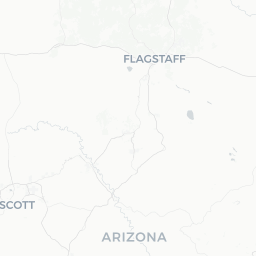
Leupp is a small, unincorporated community within the Navajo Nation in Coconino County, northern Arizona, situated roughly 30 miles east of Flagstaff along the Little Colorado River corridor. With a population of under 1,000, it is a working rural community — not a tourist destination in the conventional sense — and visitors who come here do so as part of broader explorations of the Navajo Nation or the Colorado Plateau.
The land around Leupp is classic high desert: wide open scrubland, juniper and pinyon woodland, red-orange mesas, and expansive skies. Elevation sits at roughly 4,800 feet, which moderates summer heat compared to lower Arizona deserts but still produces cold winters and occasional snow.
Leupp takes its name from Francis E. Leupp, a former U.S. Commissioner of Indian Affairs, and the community grew around a historic trading post and Navajo agency. It remains a place where Diné culture, language, and land stewardship are everyday realities rather than attractions. Visitors should arrive with respect, humility, and an awareness that they are guests on sovereign Navajo Nation land.
Before You Go
Permits and Sovereignty
Leupp lies within the Navajo Nation, a sovereign tribal nation. Visitors are generally not required to obtain a permit simply to drive through or stop in the community, but any recreational activity — hiking, camping, photography for commercial use, or off-road travel — may require a permit from the Navajo Nation Parks and Recreation Department. Verify current requirements at the official Navajo Nation website or by contacting local offices before your visit.
What to Bring
- Fuel and water: There are no guarantees of fuel or potable water services in Leupp itself. Fill up in Flagstaff and carry more water than you think you need — at least one gallon per person per day.
- Cash: Cell connectivity and card payment infrastructure can be unreliable in remote areas.
- Navigation: Download offline maps before leaving populated areas. Cell service is limited or absent along many surrounding roads.
- Weather awareness: Afternoon monsoon thunderstorms are common July through September. Roads — many of which are unpaved — can become impassable quickly.
Daylight Saving Time Note
Uniquely, the Navajo Nation observes Daylight Saving Time while the rest of Arizona does not. If your itinerary crosses in and out of the Navajo Nation boundary, keep this in mind to avoid scheduling confusion.
Getting There
By Car
The primary access route is Arizona State Route 99, which connects Leupp to Interstate 40 near Winona to the southwest and continues northeast toward Dilkon and Winslow. From Flagstaff, the drive takes approximately 45 minutes to one hour depending on road conditions. A standard passenger vehicle is adequate for the paved portions, but many side roads in the surrounding area require high clearance or four-wheel drive, especially after rain.
Nearest Airport
Flagstaff Pulliam Airport (FLG) is the closest commercial airport, offering connections to Phoenix Sky Harbor (PHX) and a limited number of other destinations. Phoenix Sky Harbor is the major regional hub for those flying from farther afield. Car rental in Flagstaff is essential, as there is no public transit serving Leupp.
Public Transportation
There is no scheduled public bus or shuttle service to Leupp. A private vehicle is effectively required.
Getting Around
Within Leupp, travel is entirely by personal vehicle. The community is small and road infrastructure is basic — some roads are unpaved. There are no taxis, rideshares, or rental services in the community itself. Plan all movement from your base in Flagstaff or wherever you are staying, and be aware that GPS routing in this area can be unreliable; paper maps or downloaded offline maps are advisable.
If you plan to explore the surrounding landscape, be cautious about venturing onto unmarked tracks without local knowledge or a high-clearance vehicle. Inform someone of your plans before heading out.
Things to See & Do
Leupp itself has no formal tourist attractions or visitor infrastructure. Its draw is the surrounding landscape and the context it provides for understanding the scale and quietness of the Navajo Nation's interior.
Landscape and Scenery
The high desert plateau around Leupp offers dramatic open vistas, particularly toward the Painted Desert and the escarpments visible to the north and east. Sunrise and sunset light on the sandstone and mesa formations can be striking. Birdwatching in the riparian areas along the Little Colorado River corridor is worthwhile for those interested in desert and grassland species.
Cultural Context
Travelers interested in Navajo history and culture will find Leupp a place to reflect on the depth of Diné presence in this landscape, though formal cultural interpretation happens more robustly at sites like the Navajo Nation Museum in Window Rock or at Navajo Nation Parks such as Monument Valley and Canyon de Chelly. Use a visit to the broader area as an opportunity to purchase work directly from Navajo artists and artisans at roadside stalls or community chapter houses when available — verify etiquette and permissions locally.
Day Trips
Leupp is well-positioned as a stopping point between Flagstaff and the Painted Desert/Petrified Forest National Park corridor along I-40, or as part of a longer Navajo Nation road trip connecting to Winslow, Holbrook, or the Hopi Mesas.
Food & Drink
Food and drink options in Leupp are extremely limited. Do not plan on finding a restaurant or grocery store in the community without first verifying locally that services are currently operating — small community stores in rural Navajo Nation areas can have irregular hours or close without notice.
The practical advice is to bring all food and beverages you need for your time in and around Leupp from Flagstaff, where a full range of supermarkets, restaurants, and cafes is available. Flagstaff has a robust food scene including options that reflect the Southwest's diverse culinary traditions.
Alcohol is prohibited on the Navajo Nation. Respect this law completely.
Practical Information
Cell Service and Internet
Cell coverage is unreliable in Leupp and the surrounding roads. Do not depend on being able to make calls, use data, or access maps in real time. Download everything you need before leaving Flagstaff.
Medical Services
There are no hospitals in Leupp. The nearest substantial medical facilities are in Flagstaff. The Indian Health Service operates facilities within the Navajo Nation — verify the nearest IHS clinic location and hours before your visit, but always treat Flagstaff's hospitals as your primary emergency fallback.
Emergency Numbers
In the US, dial 911 for emergencies. Response times in remote areas can be significantly longer than in urban settings.
Fuel
Verify fuel availability in Leupp locally before relying on it. Fill your tank in Flagstaff.
Photography
Photographing people, ceremonies, or private property on the Navajo Nation without explicit permission is disrespectful and may be prohibited. Always ask first.
Safety
The primary safety considerations in Leupp are environmental and logistical rather than crime-related. Remote desert travel carries real risks: extreme heat in summer, flash floods during monsoon season (July–September), and cold temperatures and snow in winter. Always travel with sufficient water, a charged phone (even if coverage is absent, emergency calls may connect), food, a basic first-aid kit, and a plan communicated to someone who is not traveling with you.
Road conditions on unpaved tracks can deteriorate rapidly after rain. If you see water crossing a road or wash, do not attempt to cross — turn back. Flash floods in the Southwest claim lives every year, including those of experienced travelers.
For general emergencies, dial 911. Be aware that response times in rural Navajo Nation can be lengthy due to distance and geography.
Local Culture & Etiquette
Leupp is a living Diné (Navajo) community, not a cultural exhibit. The Navajo Nation is one of the largest Native American nations in the United States by land area and population, with a rich and continuing culture, language, and governance structure. Visitors should approach the area as respectful guests on sovereign land.
Key Points of Respect
- Ask before photographing any person, home, livestock, or ceremony.
- Do not enter private or ceremonial land without permission.
- Alcohol is prohibited throughout the Navajo Nation — this is a strict legal requirement, not merely a suggestion.
- Purchase art and crafts directly from artists when the opportunity arises; avoid buying from resellers who may not represent authentic Navajo-made goods.
- Learn a few words of greeting in Navajo if you can — it is appreciated, though not expected.
Engaging respectfully with the community, listening more than talking, and spending money locally where services exist are the most meaningful things a visitor can do.