Translate
Overview
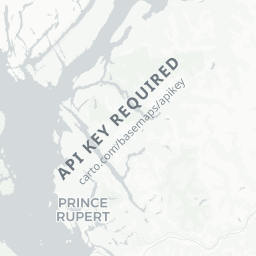
Metlakatla sits on Annette Island in the Alexander Archipelago of Southeast Alaska, roughly 15 miles south of Ketchikan. With a population of around 1,400, it is the smallest and most isolated community in the region — and the only Alaska Native reservation in the state, formally known as the Annette Islands Reserve.
The town was founded in 1887 by a group of Tsimshian people who followed Anglican missionary William Duncan from British Columbia, seeking a new home under their own governance. That history of deliberate self-determination is woven into daily life here: the community remains under tribal jurisdiction rather than Alaska state law, which means certain regulations — including fishing rights and alcohol rules — differ from elsewhere in Alaska.
Visitors who make the effort to reach Metlakatla find a quiet, genuinely off-the-beaten-path destination where Indigenous culture is not a performance but an ongoing reality. The landscape is classic Southeast Alaska: dense temperate rainforest, tidal flats, mountains rising from the water's edge, and abundant wildlife.
Before You Go
Entry and Permissions
Metlakatla is part of the United States, so no passport is required for US citizens. International visitors should review entry requirements for the US; check TravelerPulse's Visas section and the US Customs and Border Protection website for current requirements.
Because Metlakatla is a federally recognized reservation, visitors should be aware that tribal regulations apply on Annette Island. The community has historically maintained alcohol restrictions — verify the current status locally before travel, as rules can change. Respect for tribal governance and customs is not optional; it is the baseline expectation.
Practical Preparation
- Services are limited. Bring any prescription medications and specialty items you need.
- Cell coverage and internet connectivity can be unreliable; download offline maps and key contacts before arriving.
- Weather in Southeast Alaska is wet year-round. Waterproof layers, good rain gear, and sturdy waterproof footwear are essential regardless of season.
- There are very few accommodation options; plan and book well in advance, and verify availability directly with local contacts or the tribal office.
Getting There
By Ferry
The Alaska Marine Highway System connects Metlakatla to Ketchikan and other Southeast Alaska communities. The ferry is a primary link for residents and offers a scenic approach through the island-studded waters of the archipelago. Schedules and fares change seasonally; check the Alaska Marine Highway System website for current information.
By Air
Charter floatplane service operates between Ketchikan and Metlakatla, making for a short but memorable flight over Revillagigedo Channel and the surrounding islands. Taquan Air and other small operators have historically served this route — verify current operators and schedules locally or in Ketchikan. There is no scheduled jet service to Annette Island, though Annette Island Airport (WTE) exists and has been used for charter and occasional regional flights.
Getting to Ketchikan First
Most travelers reach the region via Ketchikan, which is served by Alaska Airlines with connections through Seattle. From Ketchikan, the ferry or floatplane transfer to Metlakatla takes under an hour.
Getting Around
Metlakatla is a small, walkable community. The main settlement, including the cultural center, church, cannery area, and waterfront, can be covered on foot. There are paved and unpaved roads on the island, and some residents have vehicles, but rental cars are not available. Visitors exploring beyond the town center — trails into the forest or along the coastline — should have sturdy footwear and be prepared for wet, sometimes muddy conditions. Verify locally whether guided tours or any community transport options are available during your visit.
Things to See & Do
William Duncan Cottage and Museum
The preserved cottage of William Duncan, the Anglican missionary who co-founded the community, is a National Historic Landmark. It offers insight into the 19th-century settlement story and the complex relationship between missionary activity and Tsimshian self-governance. Verify current opening hours and access arrangements with the tribal administration before visiting.
Tsimshian Cultural Experiences
The Metlakatla Indian Community has worked to preserve and revitalize Tsimshian language, dance, carving, and weaving traditions. Visitors may have the opportunity to see totem poles, traditional artwork, and — at certain times of year — cultural performances. Check with the community in advance; cultural programming is not always structured around tourism.
Fishing and Wildlife
Annette Island's waters support salmon, halibut, and Dungeness crab. The surrounding forest and tidal areas are habitat for eagles, black bears, Sitka black-tailed deer, shorebirds, and marine mammals. Wildlife viewing opportunities exist simply by walking the waterfront and edges of town. Fishing requires appropriate licenses; verify requirements with the tribal office, as reservation fishing regulations may differ from state rules.
Hiking and Scenery
Trails lead into the temperate rainforest surrounding the community. The island's terrain offers views of channels, peaks, and old-growth forest. Trail conditions and access points are best confirmed locally.
Food & Drink
Dining options in Metlakatla are very limited. There is no restaurant scene in the conventional sense. A small number of community establishments may serve food — verify what is currently available before arrival. Self-catering is a practical strategy; bring supplies from Ketchikan if you plan a multi-day stay, as the local store's stock may be limited.
Fresh and smoked salmon are central to the local food culture and may be available through community members or local vendors. Alcohol availability is subject to tribal regulations; do not assume it will be available and verify current rules in advance.
Practical Information
Key Contacts
- Metlakatla Indian Community tribal office: the primary point of contact for visitor inquiries, permits, and cultural programming. Look up current contact details on the community's official website or verify locally.
- Alaska Marine Highway System: for ferry schedules and bookings.
- Emergency services: dial 911. Verify locally which services are available on the reservation.
Money
There are no ATMs confirmed as reliably operational in Metlakatla. Bring sufficient cash from Ketchikan. Card acceptance is limited.
Connectivity
Cell service and broadband are limited. Do not depend on real-time navigation or communication apps.
Health
The nearest hospital is in Ketchikan. The community has a health clinic; verify services available to visitors. Travel insurance covering medical evacuation is strongly recommended for any trip to remote Southeast Alaska communities.
Safety
Metlakatla is a small, close-knit community and is generally considered safe. The main risks facing visitors are environmental: Southeast Alaska's weather can change rapidly, trails can be slippery and wet, and cold-water immersion is a serious hazard for anyone near the water without appropriate precautions.
Wildlife — including black bears — is present on the island. Follow standard bear-awareness practices: make noise on trails, do not approach wildlife, and store food securely. Carry bear spray if hiking away from the settlement.
Emergency medical care beyond basic first aid requires evacuation to Ketchikan. Plan accordingly and carry comprehensive travel insurance.
Local Culture & Etiquette
Metlakatla is the only Tsimshian community in the United States. The Tsimshian people (whose relatives mostly remain in British Columbia) have maintained distinct traditions in carving, weaving, ceremonial dance, and the Sm'algyax language. Revitalization efforts for the language and traditional arts are ongoing.
The town's founding story — a deliberate migration by a people choosing their own path — remains a point of deep community pride. Visitors should approach this history with genuine curiosity and humility rather than treating the community as a cultural exhibit. Ask before photographing people, ceremonies, or sacred items. The community is a living place, not a heritage attraction.
Sunday services at the historic Father Duncan's Church continue a tradition stretching back to the 19th century. The church building itself is architecturally notable and historically significant. If you wish to attend or visit, do so respectfully and confirm access in advance.