Overview
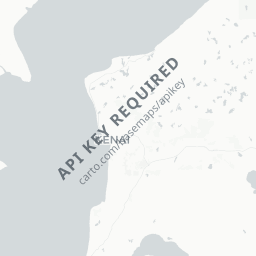
Happy Valley is a small unincorporated community on Alaska's Kenai Peninsula, situated at roughly 59.95°N latitude between the city of Kenai and the Sterling Highway corridor. With a population of under 600, it functions less as a destination in its own right and more as a quiet residential enclave embedded in one of Alaska's most scenically rich regions.
The surrounding landscape is the primary draw. The Kenai Peninsula is defined by boreal forest, glacially carved lakes, the Kenai River system, and views across Cook Inlet toward active volcanoes including Redoubt and Iliamna. Travelers passing through Happy Valley are typically on their way to or from larger anchors such as Kenai, Soldotna, or Homer.
Because Happy Valley lacks its own concentrated visitor infrastructure — no major hotels, visitor centers, or commercial districts — it rewards travelers who are self-sufficient and oriented toward outdoor recreation. Having a private vehicle and being comfortable with rural Alaska conditions is essentially a prerequisite for a visit.
Before You Go
Visas
Happy Valley is located in the United States. For visa and entry requirements, check TravelerPulse's Visas section and consult the U.S. Customs and Border Protection official website for current rules applicable to your nationality.
What to Expect
This is rural Alaska. Cell coverage can be limited or patchy depending on your carrier — verify coverage maps before departure. Services such as gas stations, grocery stores, and pharmacies are concentrated in nearby Kenai and Soldotna rather than in Happy Valley itself. Stock up before arriving.
Seasonal Conditions
- Summer (June–August): Temperatures typically range from the mid-50s to low 70s°F (around 12–22°C). Daylight hours are extremely long, which can disorient sleep schedules. Mosquitoes and other biting insects are active — bring repellent.
- Winter (November–March): Expect snow, ice, and limited daylight. Roads can become hazardous; studded tires or chains may be needed. Temperatures regularly drop below freezing.
- Spring/Fall: Transitional seasons bring unpredictable weather. Shoulder season can offer fewer crowds and good wildlife viewing.
Getting There
By Air
The nearest commercial airport with scheduled service is Kenai Municipal Airport (ENA), approximately a short drive from Happy Valley. Anchorage Ted Stevens International Airport (ANC) is the main hub for Alaska and sits roughly 150 miles to the north via the Seward Highway and Sterling Highway — a drive of approximately 2.5 to 3 hours depending on conditions and stops. Verify current schedules and airline options on the official airport or airline websites.
By Road
Driving is the most practical way to reach Happy Valley. The Sterling Highway (Alaska Route 1) is the primary artery running through the Kenai Peninsula and connects the community to both Anchorage in the north and Homer to the south. Road conditions vary significantly by season; check the Alaska 511 system (511.alaska.gov) for real-time road conditions before traveling.
By Public Transit
Scheduled public bus service on the Kenai Peninsula is limited. The Homer Stage Line and similar operators have historically served the Sterling Highway corridor, but schedules and routes change — verify current options locally or online before planning.
Getting Around
A personal vehicle is effectively essential in Happy Valley. There is no local public transit, ride-hailing service, or bicycle infrastructure to speak of. Car rentals are available at Kenai Municipal Airport and in Soldotna — reserving well in advance is advisable during summer months, as Alaska-wide demand can deplete inventory quickly.
The Sterling Highway itself is a straightforward two-lane road with pullouts at scenic viewpoints. Gravel side roads leading into the backcountry may require higher-clearance vehicles, and some are not maintained in winter. Ask locally about current road conditions before venturing onto unmarked or unmaintained tracks.
Where to Stay
There are no hotels or established lodges within Happy Valley proper. Accommodation options near the community include vacation cabin rentals, fishing lodges, and campgrounds accessible via the Sterling Highway corridor. Platforms such as Airbnb and VRBO list private cabins in the broader Kenai area. The Kenai National Wildlife Refuge also has campgrounds — verify current availability and reservation requirements through Recreation.gov.
For those who prefer hotel-style accommodation, Kenai and Soldotna have chain and independent hotel options. Book well in advance for summer visits, particularly during peak salmon season (typically July), when room availability across the peninsula tightens considerably.
Things to See & Do
Outdoor Recreation
The Kenai Peninsula surrounding Happy Valley is one of Alaska's premier outdoor recreation regions. The Kenai River, a short distance away, is world-renowned for king (Chinook) salmon fishing, as well as sockeye and silver salmon runs in season. Fishing licenses and any required stamps are mandatory — obtain these through the Alaska Department of Fish & Game (adfg.alaska.gov) before heading to the water.
Hiking opportunities exist throughout the region. The Kenai National Wildlife Refuge, which covers a large portion of the central peninsula, contains trail systems accessible from trailheads near Soldotna and Sterling. Wildlife commonly sighted in the broader region includes moose, brown and black bears, bald eagles, trumpeter swans, and Dall sheep in mountainous areas farther afield.
Scenic Viewing
Cook Inlet views from the Kenai Peninsula bluffs offer dramatic vistas of the Alaska Range and the volcanic peaks across the water. On clear days, Redoubt Volcano is particularly prominent. Tidal flats along the inlet attract shorebirds during migration periods.
Winter Activities
Cross-country skiing, snowmachining (snowmobiling), and ice fishing are common cold-season pursuits in the area. Northern lights (aurora borealis) can be visible on clear nights from late August through March, away from artificial light sources — Happy Valley's low population density makes it a reasonable dark-sky location.
Food & Drink
Happy Valley itself has no restaurants, cafes, or bars. All dining options are in neighboring communities — primarily Kenai and Soldotna, both of which have a range of restaurants, fast food outlets, grocery stores, and coffee shops suited to a small Alaskan city.
If you are self-catering — renting a cabin or staying in a unit with a kitchen — stocking up at a grocery store in Soldotna or Kenai before arriving is strongly recommended. Fresh locally caught salmon and halibut are regional staples worth seeking out at restaurants or fish processing shops in the area during summer season.
Practical Information
Emergency Services
For all emergencies in the United States, dial 911. The nearest hospitals and emergency medical facilities are in Kenai and Soldotna. Verify the locations of the nearest urgent care or ER before your trip, as distances in rural Alaska matter significantly in a medical situation.
Connectivity
Cell service in Happy Valley and the surrounding rural peninsula can be inconsistent. Download offline maps (Google Maps, Maps.me, or Gaia GPS for backcountry) before leaving areas with reliable signal. A satellite communicator such as a Garmin inReach is worth considering for anyone venturing into backcountry areas.
Bear Safety
Brown and black bears are present throughout the Kenai Peninsula. Carry bear spray and know how to use it. Store food properly in bear-resistant containers or hard-sided vehicles. Follow Alaska Department of Fish & Game guidelines for bear encounters.
Fuel and Supplies
Fuel up in Kenai or Soldotna. There are no gas stations in Happy Valley.
Safety
Happy Valley is a quiet residential community with no particular safety concerns beyond standard rural Alaska hazards. The most significant risks for visitors are environmental rather than social: wildlife encounters (particularly bears and moose), harsh and rapidly changing weather, and the remoteness of the landscape relative to emergency services.
Moose are involved in a significant number of road accidents in Alaska annually — drive carefully, especially at dawn, dusk, and night. In winter, black ice and whiteout conditions can make the Sterling Highway hazardous. Check road conditions through Alaska 511 before driving.
If you plan any hiking, fishing, or backcountry activity, inform someone of your itinerary and expected return time. Cell service cannot be relied upon in many parts of the peninsula.