Overview
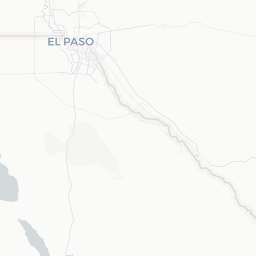
Ciudad Juárez sits at the northern tip of the state of Chihuahua, directly across the Rio Grande from El Paso, Texas. With a population exceeding 1.5 million, it is one of Mexico's largest cities and the most populous municipality in Chihuahua. The two cities together form one of the largest binational metropolitan areas in the world.
The city's identity is deeply shaped by its position on the border. Goods, culture, food, music, and families move constantly between Juárez and El Paso, creating a hybrid urban culture that is neither purely Mexican nor Texan. Norteño and banda music fill cantinas and plazas, and the local cuisine reflects both deep Mexican traditions and cross-border influences.
Juárez has a long and layered history. It was a key crossing point during the Mexican Revolution, and its growth in the late 20th century was driven largely by maquiladoras — foreign-owned assembly plants that drew workers from across Mexico. The city experienced severe violence during the late 2000s and early 2010s, a period it has worked hard to move beyond. Civic investments in public spaces, cultural institutions, and infrastructure have gradually changed the day-to-day texture of the city, though travelers should remain attentive to current conditions before and during any visit.
Before You Go
Visas and Entry
Entry requirements depend on your nationality and whether you are entering Mexico directly from the US side or arriving via another Mexican city. For current visa rules, check TravelerPulse's Visas section and the official website of Mexico's Instituto Nacional de Migración (INM). Requirements can change; verify well in advance of travel.
US–Mexico Border Crossing
If you are crossing from El Paso, there are several international bridges connecting the two cities — the most commonly used for pedestrians and vehicles include the Bridge of the Americas and the Stanton Street / Santa Fe Bridge. Wait times vary significantly by day, hour, and season. US Customs and Border Protection publishes real-time wait time data online; check before you cross.
Health
No vaccinations are specifically required for Juárez, but routine immunizations should be up to date. Tap water is not considered safe for drinking; use bottled or purified water. The desert climate means sun exposure and dehydration are real concerns year-round — carry water and sunscreen.
Travel Advisories
Governments including the United States, United Kingdom, and Canada issue travel advisories for Mexican states. Check the current advisory level for Chihuahua from your home country's foreign affairs ministry before traveling. Conditions in border cities can change, and advisories are updated periodically.
Getting There
By Air
Aeropuerto Internacional Abraham González (CJS) serves Ciudad Juárez with domestic routes to major Mexican cities including Mexico City, Guadalajara, and Monterrey, as well as some international connections. Verify current routes and schedules directly with airlines or the airport, as service levels fluctuate. El Paso International Airport (ELP), just across the border, offers a broader range of US domestic and international flights and is a practical alternative for many travelers.
By Road from the US
Driving from El Paso is straightforward — the two cities are connected by multiple international bridges. Be aware that vehicle insurance purchased in the US is generally not valid in Mexico; Mexican auto insurance must be obtained separately and is legally required. Verify insurance requirements and bridge hours before crossing.
By Bus
Long-distance bus service connects Juárez to cities throughout northern and central Mexico. Several major Mexican bus lines operate from the city's main bus terminal. If arriving from El Paso by foot, local taxis and app-based ride services are available on the Mexican side of the bridges.
Getting Around
Ciudad Juárez is a large, spread-out city. Most visitors navigating independently will rely on a combination of taxis, app-based ride services (verify which apps operate locally), and private vehicles. The city has a public bus network, though routes and reliability are best assessed on arrival or through locally sourced current information.
Near the border bridges, licensed taxis are available and relatively easy to find. Negotiate or confirm the fare before departure, or use a ride-hailing app where available for transparent pricing. Driving yourself offers the most flexibility but requires familiarity with local traffic patterns and mandatory Mexican vehicle insurance.
Walking is practical in the historic center and along Avenida Juárez near the Paso del Norte crossing, but most neighborhoods of interest require some form of transport to reach. As in any large city, stay aware of your surroundings, particularly at night.
Things to See & Do
History and Culture
- Museo de la Revolución en la Frontera (MUREF): Housed in a historic building, this museum documents the Mexican Revolution and Juárez's pivotal role in it. Verify current opening hours and admission fees locally or on the museum's official channels.
- Catedral de Ciudad Juárez: The city's main cathedral on Plaza de Armas is a landmark of the historic center and free to enter.
- Centro Histórico and Plaza de Armas: The downtown core contains colonial-era architecture, public monuments, and street life that reflect the city's history.
- Museo de Arte de Ciudad Juárez (MACJ): The city's fine arts museum holds rotating and permanent exhibitions of regional and national Mexican art. Confirm hours before visiting.
Parks and Public Space
- Parque Central: A large urban park offering green space, walking paths, and a respite from the city's intensity.
- Chamizal National Memorial (El Paso side): The binational Chamizal zone commemorates the peaceful resolution of a long-running border dispute between Mexico and the US. The Mexican side has its own cultural center and park.
Cross-Border Experience
Simply walking across the international bridge and back is itself an experience unique to this region — the contrast between the two cities, their architecture, sounds, and street commerce, is striking and informative. Keep your travel documents with you at all times.
Food & Drink
Ciudad Juárez has a distinct northern Mexican culinary identity. Beef is central — the region produces some of Mexico's finest cattle, and dishes like carne asada, burritos norteños, and discada (a mixed meat dish cooked on a plow disc) are local staples. The Juárez burrito, notably different from its US counterpart, is a simple flour tortilla filled with seasoned meat or beans.
Tacos de barbacoa, menudo (tripe soup, popular for weekend breakfasts), and chile colorado preparations are all common. The city's many taquerías and fondas (informal restaurants) offer the most authentic and economical eating. Look for spots with local clientele as a rough guide to quality.
The border proximity means American fast food chains are abundant, particularly near crossing areas, but these are easy to bypass in favor of local options. Coffee culture has grown in recent years, with independent cafés appearing in newer commercial districts.
For drinks, local craft beer has a small but growing presence. Sotol — a spirit distilled from a plant native to Chihuahua — is a regional specialty worth trying if you are interested in Mexican spirits beyond tequila and mezcal. Cantinas are a traditional part of Juárez social life; they range from no-frills neighborhood spots to larger venues with live norteño music.
Shopping
The area around Avenida Juárez and the Paso del Norte bridge has historically been the main commercial zone for visitors, offering crafts, leather goods, silver jewelry, and souvenirs. This strip caters heavily to cross-border day-trippers, so prices and quality vary — inspect goods carefully and feel free to negotiate.
For a more everyday local shopping experience, the city has modern malls and commercial plazas in newer residential districts. Traditional markets (mercados) offer produce, household goods, and prepared food at prices geared to locals rather than tourists.
Note that if you are returning to the United States after shopping, US Customs has duty-free limits and restrictions on certain goods including some food items, plants, and cultural artifacts. Check current US CBP regulations before buying items you intend to bring back.
Practical Information
Money
ATMs are widely available in commercial areas and shopping centers. Notify your bank before traveling. While USD is accepted in many border-area businesses, you will generally get better value paying in pesos. Exchange rates at border crossing kiosks are often less favorable than at bank ATMs.
Connectivity
Mobile coverage is generally good in urban areas. Mexican SIM cards are affordable and available at convenience stores and mobile carrier shops. Roaming charges from a US plan may apply — confirm with your carrier. Many cafés, hotels, and commercial spaces offer Wi-Fi.
Emergency Numbers
Mexico's general emergency number is 911, adopted nationally. Verify locally whether specific municipal services use additional numbers. The nearest US Consulate General is located in Ciudad Juárez and serves a large consular district — contact details are available on the US State Department's official website.
Time Zone Note
Ciudad Juárez observes Mountain Time and follows the US Daylight Saving Time schedule rather than Mexico's standard schedule, which can create brief periods of time difference confusion with other Mexican cities. Confirm locally when clock changes occur.
Safety
Ciudad Juárez went through an extremely violent period roughly between 2008 and 2012, driven by cartel conflict, that drew worldwide attention. The city has since made measurable improvements in security and public life, and millions of border crossings occur annually without incident. However, it remains a city where elevated caution is warranted.
Check your home government's current travel advisory for Chihuahua state before traveling. US, UK, Canadian, and Australian advisories for Chihuahua have historically ranged from elevated caution to recommending reconsideration of travel to certain areas. These advisories are updated as conditions change.
Practical precautions that apply here:
- Stay in well-trafficked areas, particularly after dark.
- Avoid displaying expensive electronics, jewelry, or large amounts of cash.
- Use reputable, vetted taxi services or ride-hailing apps rather than unmarked vehicles.
- Keep your passport and documents secure at all times.
- Share your itinerary with someone you trust.
- Avoid areas unfamiliar to you at night, and ask hotel staff or locals for current guidance on which neighborhoods to avoid.
The historic center and main commercial corridors near the border are generally the most visited and monitored areas. Peripheral neighborhoods vary significantly in character — local, up-to-date advice is worth seeking.
Local Culture & Etiquette
Juárez occupies a unique cultural position: it is unmistakably Mexican yet shaped profoundly by its adjacency to the United States. Residents often navigate both worlds with ease, and English fluency is more common here than in most Mexican cities of comparable size, particularly among younger people and those who work near the border.
Norteño music — characterized by accordion, bajo sexto guitar, and corrido storytelling — is deeply embedded in the city's identity. Live music in cantinas and at public events is common. The city also has a tradition in visual art and literature that has drawn national attention over the decades.
Family and community ties are strong. Sunday is a significant social day, with families gathering for large meals, often featuring carne asada grilled outdoors. Fiestas Patrias (Mexican Independence celebrations in September) and Semana Santa (Holy Week before Easter) are major cultural moments. Border holidays create an interesting overlay — some Juárez residents acknowledge both Mexican and American holidays given family connections across the river.
As a visitor, respectful curiosity about the city's complex identity — rather than reducing it to its troubled recent past or its border-town reputation — will be well received. Juarenses are generally proud of their city and its resilience.