
AirlinesAirports.com
Powered by Google TranslateTranslate
Travel planning byTravelerPulse.pro
Daegu International Airport International Hub illustrationInternational Hub
Airports
TAElarge airport

Daegu International Airport

Daegu, South Korea
Explore Daegu city guide Navigate to this airport
6
Routes out
4
Destinations
RKTN
ICAO
116 ft
Elevation
AirlinesAirports profile

Daegu's gateway serving South Korea's fourth-largest city.

Opened
1961
Location
Daegu, South Korea
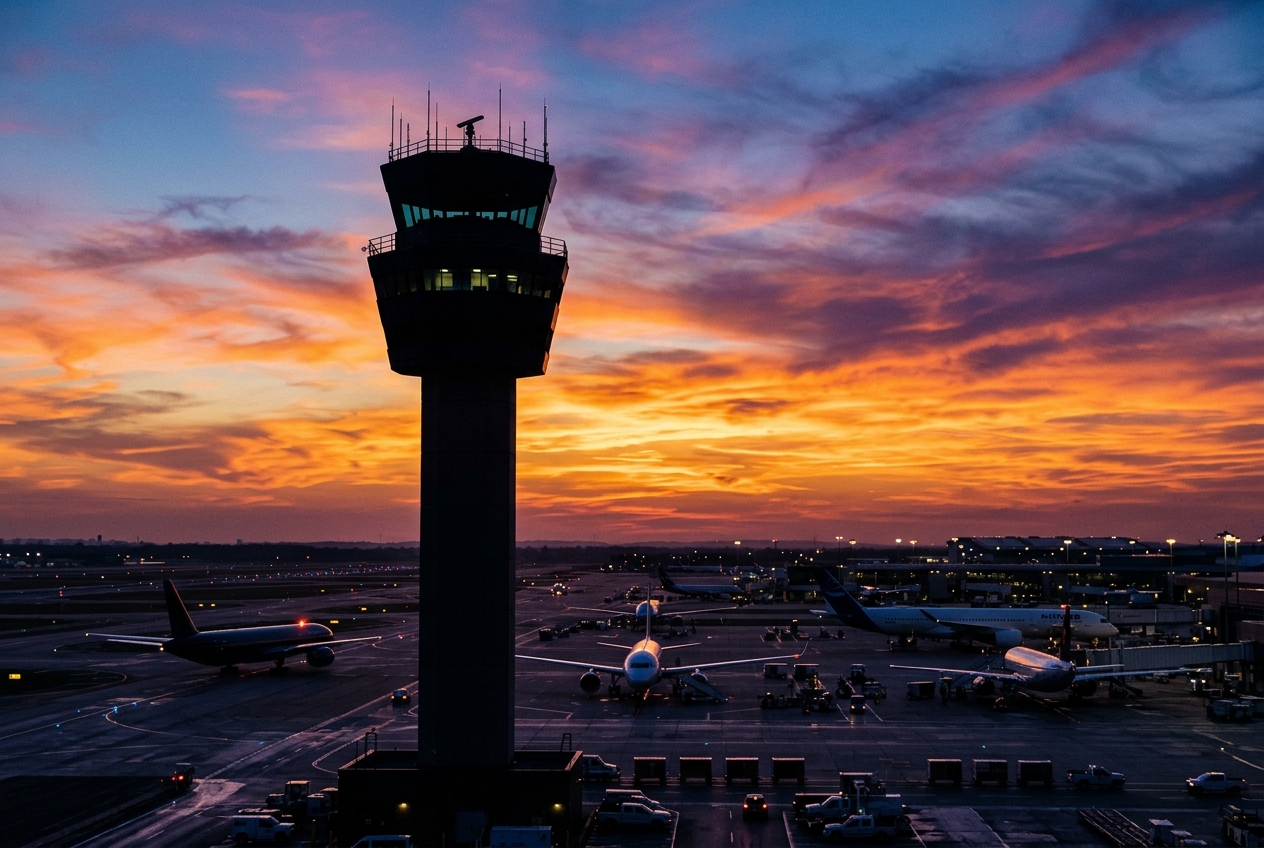
Daegu International Airport (IATA: TAE, ICAO: RKTN) is a dual-use civil and military airport located in Daegu, South Korea's fourth-largest metropolitan city. It serves both commercial passenger traffic and the Republic of Korea Air Force, which operates a significant presence at the facility. The airport handles a modest volume of international and domestic routes, connecting Daegu to destinations across Asia including China and Japan. It serves as an alternative gateway to the broader Gyeongsang region, complementing the larger Incheon International Airport near Seoul. Daegu Airport has faced long-term discussions regarding its future, with South Korean authorities planning to relocate military and civilian air operations to a new airport in the region, as the current facility is constrained by its urban location and shared military use.
Terminals
The airport operates a single passenger terminal handling both domestic and international flights.
Getting to & from
The airport is accessible by city bus and taxi, with connections to central Daegu approximately 8 kilometers away; there is no direct rail link to the terminal.
Airlines here
Major carriers operating at Daegu include Korean Air, Asiana Airlines, Jeju Air, and T'way Air, among other low-cost carriers.
Notable facts
  • Daegu Airport shares its runways with the Republic of Korea Air Force's 11th Fighter Wing.
  • The airport is located roughly 8 km northeast of downtown Daegu.
  • Plans exist to build a new integrated civilian-military airport in the Daegu-Gyeongbuk region to replace the current facility.
  • The airport's IATA code TAE derives from the city's older romanization 'Taegu'.
  • Annual passenger throughput is several million, making it one of South Korea's regional airports outside the Seoul metropolitan area.
This profile is provided for general information only. Details may be inaccurate or outdated — always verify with the airport's official website before acting on them.

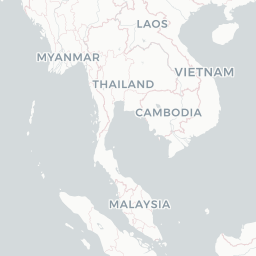
Route map (4 destinations)

Leaflet © OpenStreetMap © CARTO

Routes

TAE → PEKCA · 738
TAE → CJUKE · 73H 739
TAE → ICNKE · 73J 73H
TAE → PVGMU · 321 320
TAE → CJUOZ · 320 321
TAE → CJUTW · 737
Hotels near TAE

Pick what matters for your layover or early flight, then compare on your favorite booking site.

Compare stays for your dates

AirlinesAirports may receive compensation when you book or purchase through some of the links on this page, at no additional cost to you. Prices and availability are set by the booking provider and may change. We never share your private trip details with partners — only the destination, dates and party size you searched.

City & Place Guide

South Korea's vibrant textile city blending tradition and modernity.

Daegu is South Korea's fourth-largest city, nestled in a basin surrounded by mountains in the southeastern region. Known historically as a hub for the textile and fashion industry, it offers a compelling mix of ancient temples, colorful markets, and a lively café culture.

The city has undergone significant modernization while preserving pockets of old Korea, from the narrow alleys of Yangnyeongsi herb medicine market to the grand gates of Donghwasa Temple. Daegu also hosts major festivals and is recognized for producing many of South Korea's most celebrated cultural figures.

  • Donghwasa Temple — scenic 9th-century Buddhist complex set in Palgongsan Provincial Park.
  • Seomun Market — one of Korea's oldest and largest traditional markets, especially famous for its night market.
  • Yangnyeongsi Herb Medicine Market — 350-year-old market dedicated to traditional Korean herbal medicine.
  • 83 Tower — iconic city landmark with an observatory offering panoramic views of Daegu.
  • Kim Gwangseok Street — charming pedestrian street honoring the beloved Korean singer, lined with murals.
  • Apsan Park — forested mountain park with cable car rides and scenic city views.

Getting around: Daegu has a clean and affordable metro system with two main lines covering most major attractions. City buses are extensive but can be challenging without Korean language skills. Taxis are plentiful, metered, and reasonably priced; KakaoTaxi works well as a rideshare app for hailing cabs conveniently.

Best time: Visit in spring (April–May) for mild weather and cherry blossoms, or autumn (September–October) for cool temperatures and vibrant foliage.

Local food: Try Daegu's signature flat rice cake soup (napjak mandu), spicy braised short ribs (jjim galbi), and the city's beloved mac-and-cheese-style dish makchang-gui (grilled beef intestines) at local pojangmacha stalls.

This guide is provided for general information only. Verify details locally before making travel decisions.

Passport, Visa & Immigration

Flying internationally via TAE? Check entry, transit and customs requirements for South Korea from official government sources.

Daegu International Airport
Encyclopaedia

Daegu International Airport is an international airport serving the city of Daegu and the surrounding area in southeastern South Korea. The airport is also a military base for the ROKAF's 11th Fighter Wing, whose three squadrons fly the F-15K.

Read full article on Wikipedia