Překladač


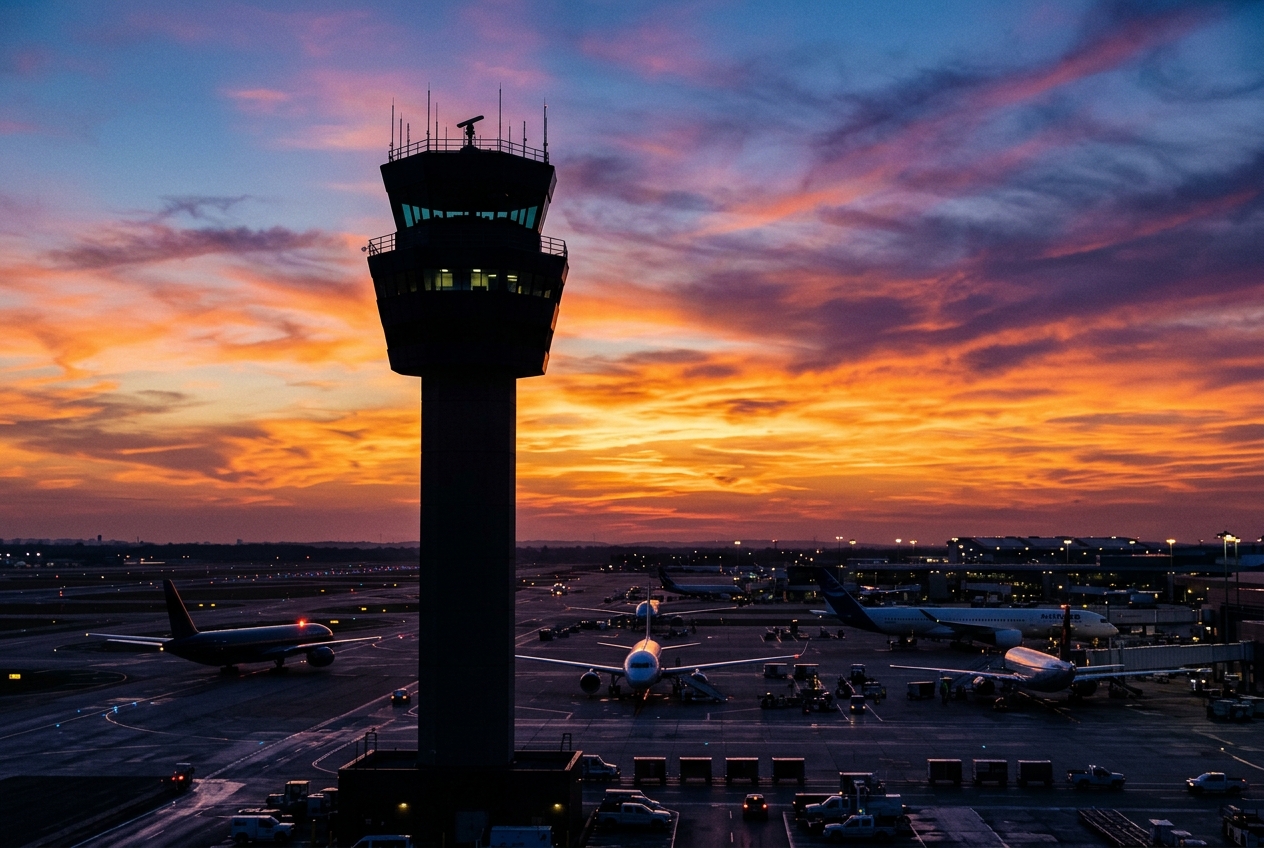
Azerbaijan's primary gateway connecting Baku to the world.
Opened
1960
Location
Baku, Azerbaijan
Heydar Aliyev International Airport is the main international airport serving Baku, the capital of Azerbaijan. Named after the former President of Azerbaijan, Heydar Aliyev, the airport is the largest and busiest aviation facility in the country and serves as the primary hub for AZAL (Azerbaijan Airlines).
The airport underwent significant modernization and expansion in the 2010s, including the opening of a new terminal designed to handle increased passenger traffic driven by Azerbaijan's growing oil-fueled economy and tourism sector. It connects Baku to destinations across Europe, the Middle East, Central Asia, and beyond.
Located approximately 20 kilometers northeast of Baku's city center, the airport plays a central role in the South Caucasus region's aviation network and has steadily increased its annual passenger capacity over recent years.
Terminals
The airport operates a primary international terminal alongside a separate domestic terminal to handle both international and domestic passenger flows.
Getting to & from
The airport is connected to Baku city center by taxi, ride-hailing services, and public bus routes, with the journey typically taking around 30 minutes.
Airlines here
AZAL (Azerbaijan Airlines) is the primary hub carrier, with additional service from Turkish Airlines, Lufthansa, flydubai, Qatar Airways, and other international carriers.
Notable facts
- ›Named after former Azerbaijani President Heydar Aliyev, father of current President Ilham Aliyev.
- ›Serves as the primary hub for Azerbaijan Airlines (AZAL) and Buta Airways.
- ›Located approximately 20 km northeast of central Baku on the Absheron Peninsula.
- ›The airport handled several million passengers annually before and after major terminal upgrades in the 2010s.
- ›Azerbaijan hosted the inaugural European Grand Prix in Baku in 2016, boosting international traffic through the airport.
This profile is provided for general information only. Details may be inaccurate or outdated — always verify with the airport's official website before acting on them.