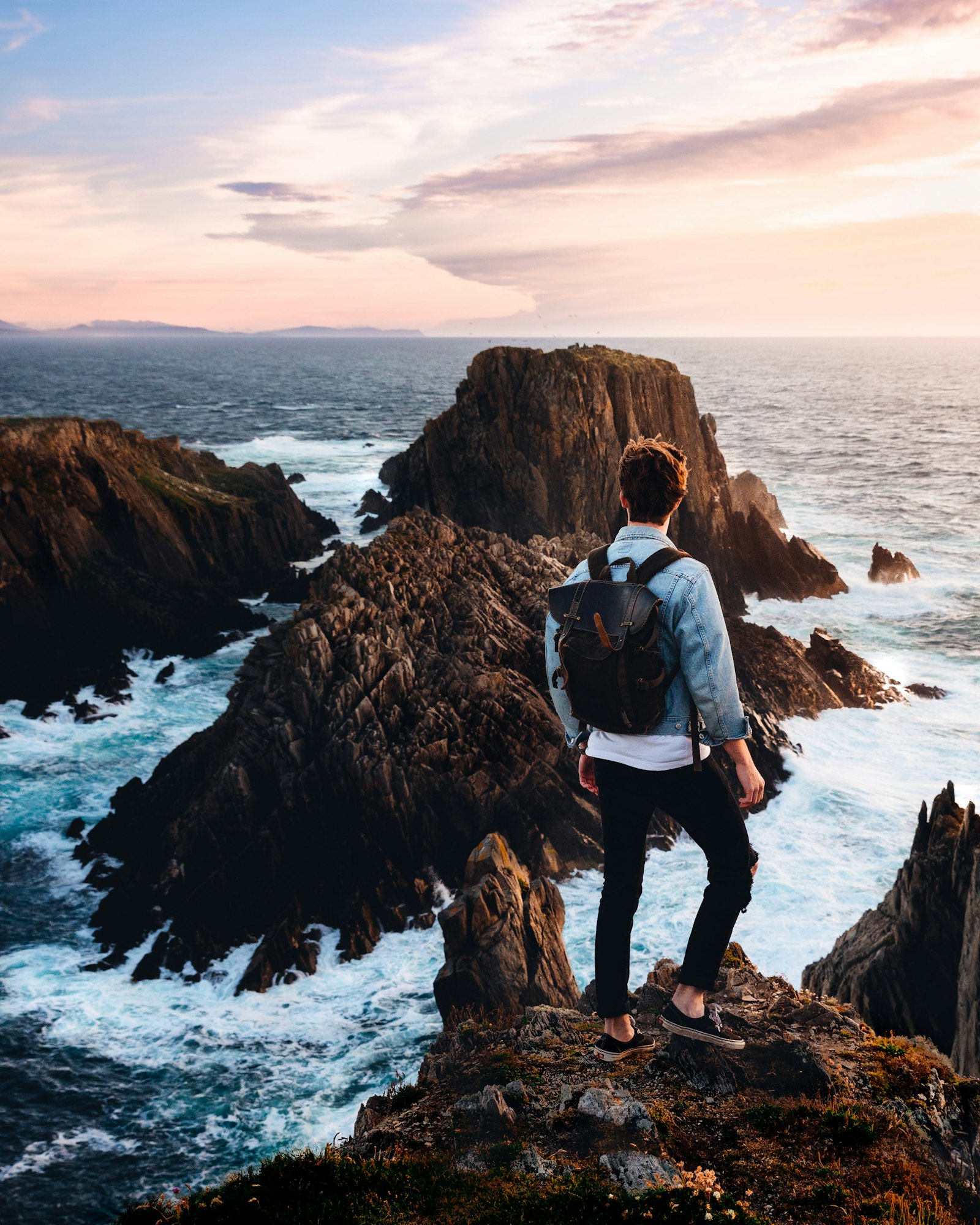
Solo travel as a woman opens up an extraordinary range of experiences — and with the right preparation, situational awareness, and mindset, it is well within reach for travelers of every experience level.
Why More Women Are Traveling Solo
Solo female travel has grown into one of the most significant shifts in modern tourism. Women are taking gap years, sabbaticals, and short city breaks entirely on their own terms — answering to no one's itinerary but their own. The appeal is straightforward: complete freedom to move at your pace, eat what you want, linger where you choose, and push your own boundaries.
That freedom, however, does not mean ignoring risk. The honest truth is that women face a different set of considerations than men traveling alone — from petty harassment to more serious safety concerns — and those considerations vary widely by destination. This guide is built on that reality, not around it.
Choosing Your Destination Wisely
No destination is universally "safe" or "unsafe" for women, but some require significantly more preparation and tolerance for friction than others. Before booking, research several key dimensions:
- Local attitudes toward solo women: In some regions, a woman dining or moving alone is completely unremarkable. In others, it draws persistent attention. Travel forums, recent blog accounts from other women, and destination-specific Facebook groups give you a ground-level picture that official tourism boards rarely provide.
- Legal context: Laws affecting women — dress requirements, restrictions on movement, alcohol regulations, LGBTQ+ criminalisation — vary enormously. Check your government's official travel advisory pages for the most current, accurate information.
- Infrastructure: Reliable public transport, well-lit streets, accessible emergency services, and a functioning tourist infrastructure all affect day-to-day safety.
For first-time solo travelers, destinations with strong tourism infrastructure, English-language availability, and a well-established solo-traveler community often provide a gentler introduction. Once you have a few trips under your belt, you can calibrate toward more challenging destinations with greater confidence.
Pre-Trip Safety Planning
The bulk of solo travel safety is decided before you board the plane. Solid preparation compresses the number of variables you have to manage on the ground.
- Share your itinerary: Leave a detailed copy — accommodation names, addresses, phone numbers, flight details — with at least one trusted person at home. Update them if plans change.
- Register with your government: Many countries offer traveler registration services that allow embassies or consulates to contact you during emergencies. Use them.
- Research emergency contacts: Know the local police, ambulance, and tourist police numbers (where applicable) for every destination. Save them before you land.
- Travel insurance: Non-negotiable. Ensure your policy covers medical evacuation, theft, and trip disruption. Read the exclusions carefully.
- Copies of documents: Carry digital and physical copies of your passport, visa, insurance policy, and key bookings. Store digital copies in a secure cloud folder. You can use My Travel Hub on TravelerPulse.pro to keep bookings and itinerary details organized in one accessible place.
Accommodation: Choosing Where to Stay
Where you sleep is one of the most consequential decisions in solo travel. The options range from solo-friendly hostels to boutique hotels to private apartment rentals, and each has real trade-offs.
- Hostels: Female-only dormitories are a genuine asset — they create instant community with other solo women travelers, keep costs low, and are generally safe. Read recent reviews specifically mentioning security (locker quality, keycard access, front-desk hours).
- Guesthouses and small hotels: Often run by local families, these can feel more personal and secure than large anonymous hotels. A helpful host who knows the neighbourhood is worth a great deal.
- Large chain hotels: Consistent security protocols, 24-hour front desks, and professional staff. More anonymous but reliable in most markets.
- Apartment rentals: Greater privacy, but also less on-site support. Vet hosts carefully, confirm the exact address before arrival, and arrange to arrive during daylight.
Regardless of accommodation type, always check that your room door locks properly, locate emergency exits on arrival, and trust your gut if a situation or property feels wrong when you check in.
Getting Around Safely
Transport decisions carry real safety weight, especially at night or in unfamiliar cities.
- Arrive in daylight where possible: Navigating an unfamiliar city or town for the first time is substantially easier — and safer — in daylight. Schedule arrival times accordingly.
- Use reputable transport: Ride-hailing apps with tracked routes and driver details are generally preferable to unmarked taxis in destinations where unofficial drivers operate. In many cities, app-based rides let you share your trip in real time with a contact at home.
- Public transport awareness: On crowded metro or bus systems, stay alert to your surroundings and keep bags in front of you. Women-only carriages exist in several countries and are worth using when available.
- Night travel: If you must travel at night, book reputable options in advance rather than improvising at the kerb. Sit near other passengers or the driver on buses; choose populated train cars.
- Map your route before you leave: Know the general direction of your destination, not just the GPS turn-by-turn. Staring at your phone while walking signals vulnerability.
Cultural Awareness and Dress
Dressing and behaving in ways that respect local customs is both practical and courteous — it reduces unwanted attention and signals respect for the communities you are visiting. This is not about limiting freedom; it is about reading context intelligently.
- Research dress norms before you travel, particularly for religious sites, rural areas, and conservative regions. A light scarf takes almost no luggage space and serves multiple purposes.
- Observe what local women wear and match formality accordingly.
- Learn a handful of phrases in the local language — including a polite but firm "no" or "stop." Even a basic attempt at the language signals respect and often changes how you are treated.
- Public displays of affection, consuming alcohol in public, and walking alone at night carry very different social readings depending on the country. Know the context.
Managing Harassment
Harassment — from verbal comments to persistent following — is a reality many solo women travelers encounter at some point. Having a plan reduces its impact significantly.
- Ignore and move: In many situations, eye contact and engagement — even angry engagement — escalates attention. A confident, purposeful stride toward a public, populated space is often the most effective response.
- Use assertive body language: Stand tall, make confident eye contact when addressing someone directly, and project certainty even when you do not feel it.
- The "friend" strategy: In cafés, hotels, or transport hubs, asking staff — "Is there somewhere I can wait?" — puts you under informal protection and signals you are not isolated.
- Trust your instincts: If someone or somewhere feels wrong, remove yourself. The cost of being overly cautious is trivial compared to the cost of ignoring a genuine warning signal.
- Know when to escalate: Serious harassment — following, physical contact, threats — warrants involving police or hotel staff immediately.
Staying Connected
Connectivity is a practical safety tool, not just a convenience.
- Purchase a local SIM card or an international data plan so you always have mobile data. Many airports sell SIMs on arrival.
- Download offline maps for every destination before you leave your accommodation each day.
- Establish a regular check-in routine with someone at home — a quick message each evening confirming where you are and your plans for the next day.
- Keep your phone charged. Carry a portable power bank as standard kit.
What to Pack
Packing light is a genuine safety and mobility advantage. The less you carry, the faster you can move and the less you project as a heavily-loaded target.
- Anti-theft bag or organiser: Cross-body bags worn in front, slash-resistant straps, and hidden zip pockets are all worthwhile investments for high-traffic tourist areas.
- Money management: Spread cash, cards, and a backup card across different locations — wallet, bag, hotel safe. Never keep everything in one place.
- Door wedge or portable lock: A cheap, lightweight addition that provides extra security in accommodation with questionable door locks.
- Photocopies and backup debit card: Stored separately from your primary wallet.
- Basic first-aid and medication: Including any prescriptions in sufficient quantity, with a doctor's note for controlled substances when crossing borders.
Visas, Entry Requirements, and Health Prep
Entry requirements and health recommendations vary by nationality, destination, and the constantly shifting landscape of international travel policy. Always consult official government sources — your country's foreign ministry or state department website — for current visa, entry, and health requirement information. The Passport & Visa section on TravelerPulse.pro is a useful starting point for understanding general visa categories and application processes, but official government portals are the authoritative final word.
Visit a travel health clinic or your GP at least four to six weeks before departure to discuss destination-specific vaccinations, antimalarial medication if relevant, and any personal health considerations for your trip.
Building Confidence on the Road
Solo travel is a skill, and confidence compounds with experience. First trips feel more uncertain than they actually are; by the third or fourth, the systems become second nature.
- Start with a destination that stretches you slightly but does not overwhelm.
- Allow yourself to feel uncertain — it is normal and passes quickly once you orient yourself.
- Connect with other travelers, especially other solo women. Hostel common rooms, organised tours, and walking groups are natural meeting points.
- Keep a flexible attitude. Missed buses, unexpected closures, and changed plans are features of travel, not failures. The ability to adapt is itself a form of safety.
Frequently Asked Questions
Is solo travel safe for women?
Safety is contextual, not absolute. Millions of women travel solo every year without serious incident, precisely because they prepare well, stay aware, and make calculated decisions. Risk can never be eliminated entirely, but it can be managed intelligently. The same awareness that serves you in any unfamiliar environment — at home or abroad — applies on the road.
How do I handle unwanted attention or persistent strangers?
Project confidence, avoid prolonged engagement, and move toward populated, well-lit public spaces. A firm, short "no" without lengthy explanation is usually more effective than an elaborate excuse. If attention escalates or becomes threatening, involve hotel staff, local police, or nearby businesses without hesitation.
Should I tell people I'm traveling alone?
Use discretion. In casual social conversation — fellow travelers, café owners, tour guides — sharing that you travel solo is usually fine and often leads to useful local recommendations. In situations where you feel uncertain about someone's intentions, it is perfectly reasonable to mention that you are meeting friends nearby.
What is the best way to meet other travelers safely?
Organised activities — walking tours, cooking classes, day trips booked through reputable operators — provide structured social contact with built-in vetting. Hostel common areas and rooftop bars are reliably social spaces. Online communities for solo female travelers (on Facebook, Reddit, and dedicated travel forums) can also connect you with other women at your destination before you even arrive.
Conclusion
Solo travel as a woman demands more preparation than solo travel generally — but it also offers something proportionally greater in return: a profound, unmediated experience of the world on your own terms. The travelers who navigate it most successfully are not reckless, nor are they fearful. They are informed, adaptable, and honest with themselves about the environments they are entering. With solid preparation, practical habits, and a willingness to trust your instincts, the world is genuinely open to you.


