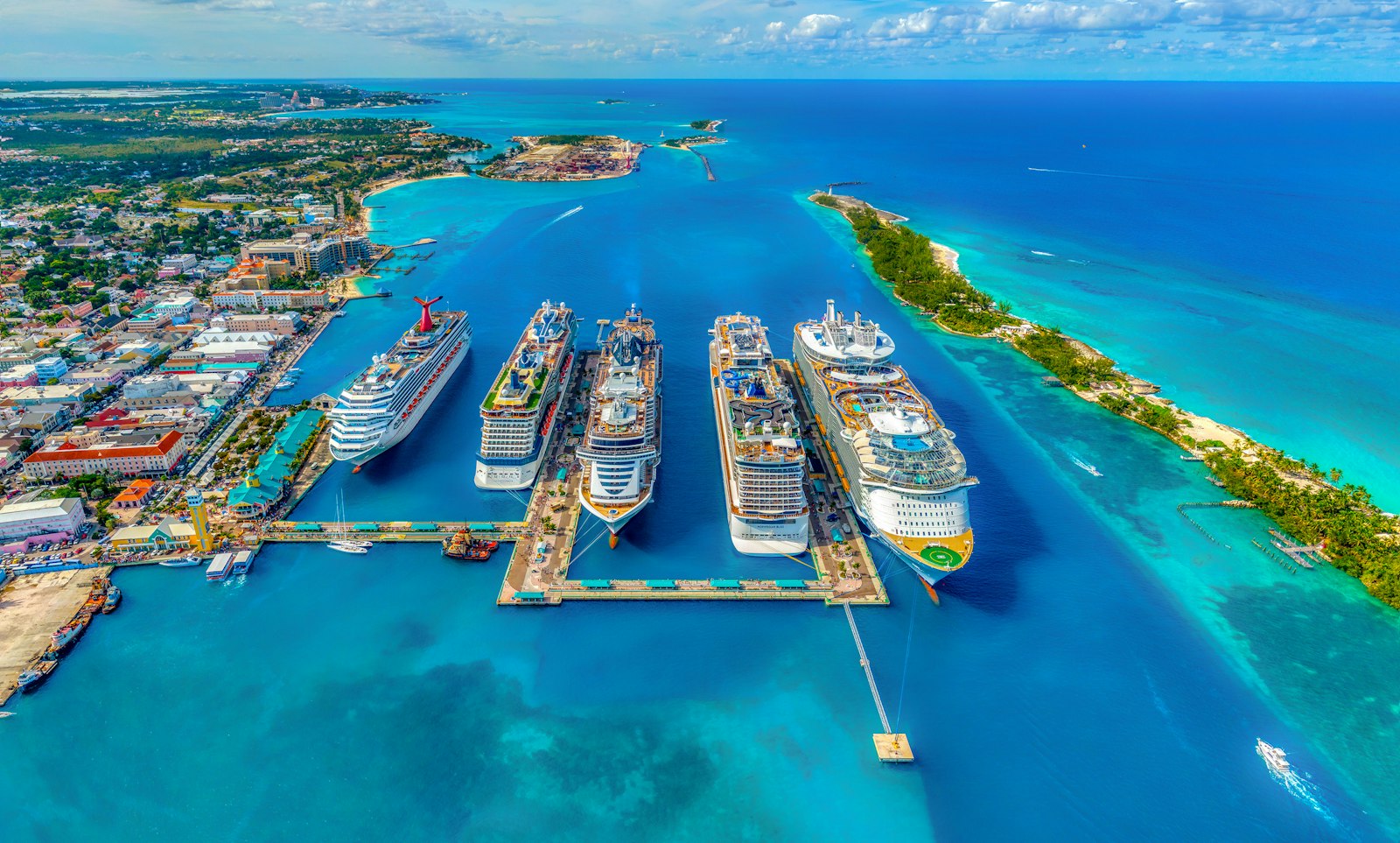
A skipped port of call is one of the most common — and most frustrating — disruptions in cruising; understanding your rights, your options, and the cruise line's obligations will help you respond calmly and make the most of a changed itinerary.
It Happens More Often Than You Might Think
Cruise itineraries are printed in brochures and booked months in advance, so it can feel like a broken promise when the ship sails past a port without stopping. In reality, missed ports are a routine part of ocean travel. Weather, mechanical issues, geopolitical events, and port congestion can all force a last-minute change. Experienced cruisers know to treat printed itineraries as strong intentions rather than ironclad contracts — and to plan accordingly.
Why Cruise Ships Skip Ports
Captains and cruise line operations teams weigh a range of factors when deciding to alter course. The most common reasons include:
- Weather and sea conditions. Storms, high swells, or strong winds can make tendering or docking unsafe. This is by far the most frequent cause of a missed port.
- Port congestion or scheduling conflicts. If another vessel is occupying a berth and cannot depart on time, your ship may have no place to dock.
- Mechanical or technical issues. A propulsion problem or other shipboard malfunction may require the vessel to reduce speed, making a port call impractical within the available time window.
- Medical emergencies. If the ship must divert to deliver a critically ill passenger or crew member to a medical facility, other stops may be dropped.
- Civil unrest or security concerns. Destination instability — a local strike, political protests, or a government travel advisory — can prompt a cruise line to pull a port from the itinerary, sometimes with little notice.
- Shallow draft or infrastructure problems. Temporary damage to a pier or a dredging closure can make a port physically inaccessible to a large ship.
What the Cruise Contract Actually Says
Before boarding any ship, every passenger agrees to a Cruise Ticket Contract — a lengthy legal document that most people never read. Almost universally, these contracts include language giving the cruise line broad authority to alter, substitute, or cancel ports of call at any time, for any reason deemed necessary by the captain or company. The itinerary is explicitly listed as non-guaranteed.
This does not mean you have zero recourse. It does mean that the baseline legal obligation to deliver every port is very limited. Knowing this before you sail is far more useful than learning it after a disappointment at sea.
What Compensation — If Any — Are You Entitled To?
Compensation policies vary significantly between cruise lines, and no single industry standard applies. In general:
- Port fees and taxes are typically refunded. Governments and port authorities charge per-passenger fees that are collected in your cruise fare. If the ship never enters that port, most cruise lines refund the applicable taxes and fees — automatically or upon request. Check your onboard account statement.
- A full fare refund is almost never offered for a single missed port, unless the entire cruise is cancelled or so fundamentally altered that it bears no resemblance to what was sold.
- Onboard credits (OBCs) are a common goodwill gesture. Many lines offer a modest credit toward onboard spending — spa, dining, drinks, shore excursions at alternate ports — especially when a weather skip was unavoidable. This is discretionary, not guaranteed.
- Future cruise credits may be offered in cases of more significant itinerary disruption, again at the cruise line's discretion.
If you believe the cruise line's response is inadequate, document everything in writing and contact their customer relations department after your voyage. Escalating to a travel agent (if you booked through one) can also add leverage.
Pre-Booked Shore Excursions: What Happens to Them?
This is where travelers often feel the most immediate financial sting.
- Cruise line excursions booked through the ship are almost always refunded when a port is missed. The credit typically appears on your onboard account within a day.
- Independent tours booked directly with local operators are a different matter entirely. Your contract is with that private company, and refund policies vary widely. Some operators offer full refunds; others do not. Travel insurance can bridge this gap — see below.
- Private drivers or guides you arranged yourself may charge cancellation fees, especially with little notice. Again, travel insurance is your primary protection here.
As a general rule, the closer to departure you book an independent tour, the harder a last-minute cancellation becomes. Consider confirming refund and cancellation terms before paying any deposit.
How the Ship Handles a Missed Port Day
Cruise lines understand that a full day at sea — especially an unplanned one — can feel like dead time to passengers who were anticipating a destination. Most ships respond with:
- Additional onboard programming: cooking demonstrations, trivia, dance classes, poolside events
- Extended spa or fitness center hours
- Complimentary or discounted drinks and activities in some cases
- Announcements about any alternate port the ship may substitute
A substitute port is not guaranteed, but many itinerary changes do involve routing the ship to a nearby destination. The alternate may not be the one you had your heart set on, but it can still be a worthwhile stop.
Travel Insurance: Your Most Important Safety Net
A comprehensive travel insurance policy is the single most effective tool for protecting against the financial fallout of a missed port. Look for policies that include:
- Trip interruption coverage — reimburses prepaid, non-refundable costs (independent tours, hotel nights at a missed destination, etc.) when your trip is altered due to covered reasons
- Cancel for any reason (CFAR) — an optional upgrade that provides partial reimbursement even when the cause is not a named covered peril
- Missed port coverage — some cruise-specific policies explicitly list missed ports as a covered event
Policies, premiums, and covered perils differ substantially between providers. Read the fine print carefully, and purchase insurance soon after making your initial cruise deposit — some coverage windows require early purchase to be fully effective. Policies sold by the cruise line directly are convenient but may be more restrictive than third-party options.
What to Do When a Port Is Announced as Missed
The captain or cruise director will typically announce a port change over the ship's public address system, often the evening before or early on the day of the originally scheduled call. Here is a practical checklist:
- Listen carefully to the full announcement for details on any substitute port or alternate activities.
- Visit Guest Services promptly to confirm that shore excursion and port fee refunds are being processed.
- Contact your independent tour operators as soon as possible — the earlier you notify them, the better your chances of a refund or rescheduling.
- Check your onboard account the following day to verify credits have posted correctly.
- Document any costs you incur as a result of the change (a last-minute replacement activity, for example) in case you file an insurance claim later.
- If you have a travel insurance policy, review the claims process and timeline while details are fresh.
Missed Ports and Pre- or Post-Cruise Hotel Stays
Itinerary changes get more complicated when a port happens to be your embarkation or disembarkation city. If your ship's final port is altered and you have a non-refundable hotel or flight booked independently, the cruise line's responsibility for those costs is typically minimal under the contract. Travel insurance is again the primary financial backstop. When booking independent accommodations around a cruise, flexible cancellation rates are worth the slight premium.
Visa and Entry Implications
Occasionally a missed port has a paperwork dimension. If you obtained a visa specifically to visit a destination that is now being skipped, that visa remains valid for its stated entry window — your trip disruption does not typically affect the document itself. Conversely, if a substitute port is added, you may not have the proper entry documentation for that country. Cruise lines generally account for this when selecting alternates, but it is worth asking Guest Services to clarify entry requirements for any surprise substitute destination. For the most accurate visa information, always check official government sources or visit the TravelerPulse.pro /visas section for guidance on where to start your research.
Frequently Asked Questions
Can I get a full refund if too many ports are missed?
There is no universal threshold, but if a cruise is so substantially altered that it no longer resembles what was sold, some travelers have successfully pursued partial refunds or significant onboard credits by escalating formally to the cruise line's customer relations team or, in rare cases, through credit card dispute processes. Outcomes depend heavily on individual circumstances and the cruise line's policies. Travel insurance with trip interruption coverage is a more reliable path to reimbursement.
Will the cruise line rebook missed tours automatically?
For shore excursions booked through the cruise line, refunds are usually automatic — rebooking at an alternate port is your choice, not something the ship arranges for you. Independent tours require you to contact operators directly. The ship's excursion desk can sometimes help with substitute options at the new destination.
Does travel insurance cover missed ports if the cause is weather?
Many travel insurance policies do cover trip interruption and non-refundable costs resulting from severe weather, but coverage specifics vary. Some policies require the disruption to meet a defined severity threshold. Review your policy's covered perils carefully, and when in doubt, call your insurer before the trip departs.
What if missing a port means I miss a connecting flight?
If a port alteration changes your disembarkation time and you miss a flight booked independently, the cruise line generally bears no responsibility for rebooking costs under the standard contract. Travel insurance with missed connection coverage, and booking flights that allow a comfortable buffer after disembarkation, are the practical defenses here.
Plan for the Possibility, Enjoy the Reality
Seasoned cruisers tend to treat a missed port as an inconvenience rather than a catastrophe — and that mindset is built on preparation. Book independent tours with clear cancellation terms. Carry travel insurance that addresses itinerary disruption. Avoid non-refundable travel arrangements that hinge on a single port call. Keep your cruise documents and itinerary organized — the My Travel Hub on TravelerPulse.pro is a useful place to store booking details and insurance information so everything is accessible when you need it most.
Above all, remember that the ocean operates on its own schedule. A flexible attitude, combined with solid planning, is the best insurance policy of all.


