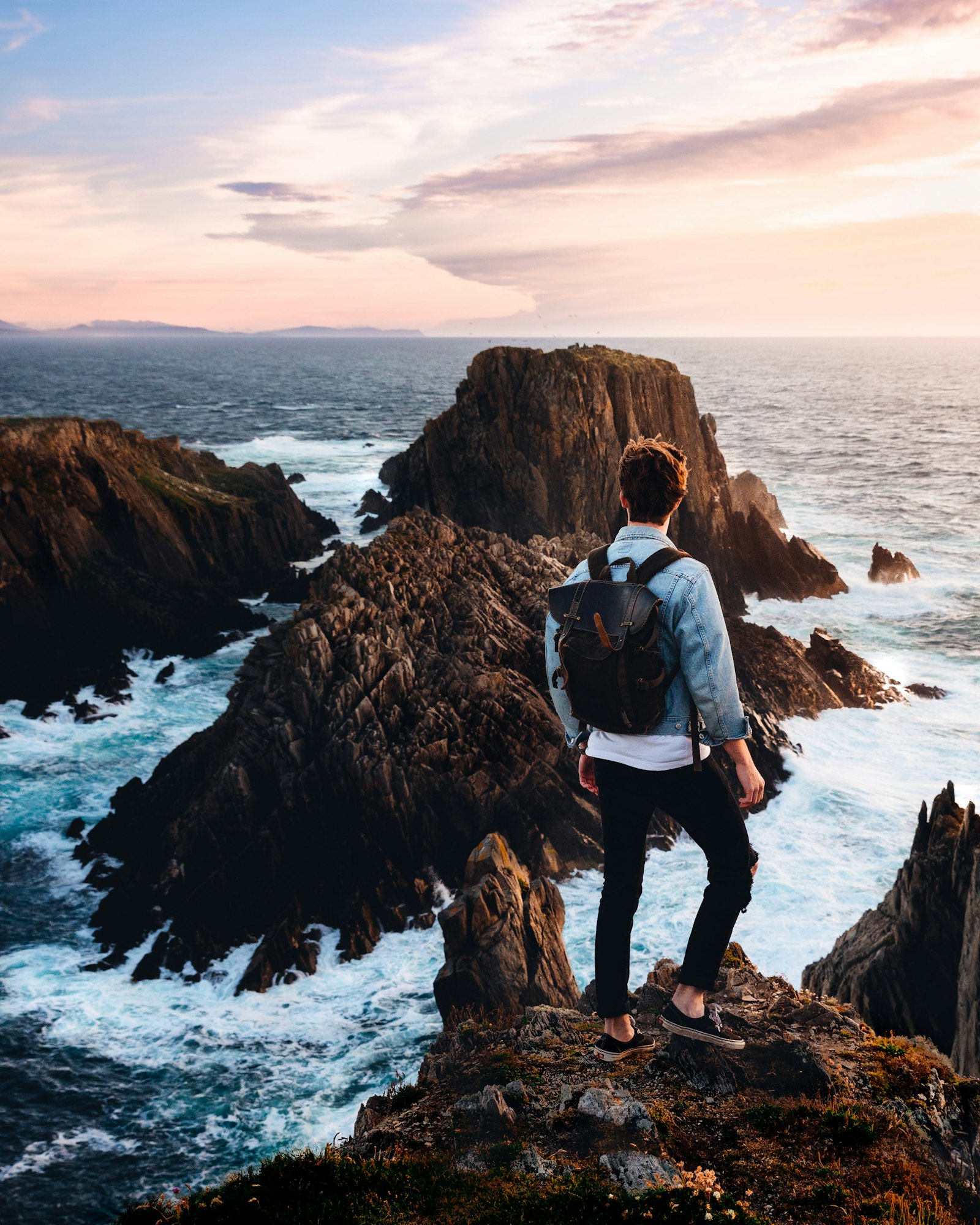
Traveling solo puts you entirely in charge of your pace, your choices, and your discoveries — and with the right preparation, it is one of the most fulfilling ways to see the world.
Solo travel has grown steadily as a legitimate, mainstream way to explore the globe. People set out alone for every reason imaginable: a career break, a milestone birthday, simply not finding a willing travel companion, or the quiet desire to prove something to themselves. Whatever your motivation, the mechanics of planning and executing a solo trip are learnable skills — and this guide walks through all of them.
Who Travels Solo (and Why It Works)
Solo travelers span every age bracket, background, and experience level. First-timers often start with a long weekend in a nearby city; seasoned independent travelers may spend months crossing continents. The common thread is intentionality: you make every decision yourself, and that accountability sharpens your awareness, builds confidence, and often leads to richer encounters than group travel allows.
Without a companion to default to, you talk to strangers more, accept invitations more readily, and adapt your itinerary in real time without negotiation. Many travelers describe a solo trip as the experience that genuinely changed them.
Choosing Your First (or Next) Destination
Not every destination is equally suited to every solo traveler. When evaluating a place, weigh these factors honestly:
- Infrastructure: Reliable public transport, clear signage, and well-connected airports reduce the cognitive load of navigating alone.
- Safety reputation: Research current conditions through your government's official travel advisory service — not just travel blogs. Conditions change.
- Solo-friendly culture: Some destinations have a well-established hostel and guesthouse circuit with a natural social infrastructure; others are oriented almost entirely toward families or couples.
- Language accessibility: You do not need to speak the local language, but traveling where English or another language you know is widely used lowers stress considerably for a first solo trip.
- Cost: Solo travel eliminates room-sharing savings. Choose a destination whose solo costs fit your realistic budget.
Popular "starter" regions for nervous first-time solo travelers often include parts of Western Europe, Japan, Southeast Asia's well-worn backpacker routes, New Zealand, and Canada — though the right destination ultimately depends on your interests and comfort level.
Planning Your Itinerary: Structure vs. Flexibility
The ideal solo itinerary balances enough structure to feel secure with enough breathing room to follow your instincts on the ground. A few principles help:
- Book your first night's accommodation before you arrive, no matter how spontaneous you plan to be afterward. Arriving tired and directionless in an unfamiliar city is avoidable stress.
- Avoid over-scheduling. Solo travel's greatest gift is flexibility — honor it.
- Build in a "buffer" day at the end of any long trip so a delayed flight or unexpected detour does not wreck everything downstream.
- Research transportation options between destinations in advance, even if you do not book them immediately.
Keeping all your bookings, confirmations, and documents organized in one place makes day-to-day travel far smoother. TravelerPulse.pro's My Travel Hub lets you consolidate your itinerary, flight details, and accommodation information so nothing gets buried in your inbox.
Accommodation Choices for Solo Travelers
Where you stay shapes your entire social experience on a solo trip. The main options each come with trade-offs:
- Hostels (dormitory or private room): The classic solo traveler option. Common areas, organized social events, and a built-in community of fellow travelers make it easy to meet people. Quality varies enormously — read recent reviews carefully.
- Guesthouses and B&Bs: Often family-run, with a warmer personal feel than large hotels. Owners frequently serve as unofficial local guides.
- Hotels: More private and often more expensive per person without a roommate to split costs. Loyalty programs can offset the price for frequent travelers.
- Home-sharing platforms: Can offer kitchen access (useful for budget control) and local insight, though social interaction depends entirely on the host.
- Couchsurfing and hospitality networks: Free or low-cost stays with locals; requires careful vetting and is best suited to experienced travelers comfortable with uncertainty.
Safety: Practical Strategies That Actually Help
Solo travel carries real risks — the same ones that exist in everyday life, amplified slightly by unfamiliarity. Sensible precautions go a long way without requiring paranoia.
- Share your itinerary: Leave a copy with someone at home. Update them when plans change significantly.
- Register with your embassy: Many governments offer traveler registration programs that allow consular staff to contact you in emergencies. Use them.
- Keep digital and physical copies of documents: Passport photo page, visa, travel insurance policy, and emergency contacts — stored separately from the originals.
- Trust your instincts: If a situation, neighborhood, or person makes you uncomfortable, leave. You do not owe anyone an explanation.
- Be discreet with valuables: A modest appearance and a money belt or hidden wallet reduce opportunistic theft.
- Use reputable transport: Pre-booked taxis, official ride-share apps, and recommended operators beat flagging down unknown vehicles, especially at night.
- Stay connected: A local SIM card or an international data plan keeps you navigating accurately and reachable.
Safety considerations differ by gender, age, ability, and identity. Women traveling solo, LGBTQ+ travelers, and travelers with disabilities should research destination-specific conditions thoroughly; official government travel advisories and community forums dedicated to those groups are the most reliable sources.
Managing Money on a Solo Budget
Without a companion to share costs, every accommodation booking, taxi ride, and restaurant table falls entirely to you. Managing this reality requires honest budgeting upfront:
- Calculate a realistic daily budget that includes accommodation, meals, local transport, activities, and a contingency buffer of at least 15–20%.
- Notify your bank before departing to avoid cards being frozen for unusual activity abroad.
- Carry some local currency in cash for markets, small vendors, and places that do not accept cards.
- Use a fee-free travel card or bank account where possible to avoid repeated foreign transaction charges.
- Consider travel insurance seriously. A single medical evacuation or trip cancellation can cost multiples of what the policy would have.
Meeting People and Avoiding Loneliness
Loneliness is the most common challenge solo travelers mention — particularly during long trips. It is normal, and it is manageable.
- Stay in social accommodation: Even booking a private room at a hostel gives you access to common areas and events.
- Join organized activities: City walking tours, cooking classes, day hikes, and surf lessons put you alongside other travelers with something immediate in common.
- Use meetup and community apps: Platforms that connect travelers or expats in a given city can facilitate real-world plans.
- Eat at the bar: Sitting at a restaurant bar or communal table rather than a lone table for one invites conversation naturally.
- Give yourself permission to enjoy solitude: Not every moment needs company. A museum visited alone, a meal eaten with a book, a sunrise watched in silence — these are not failures of solo travel; they are among its purest pleasures.
Visas, Entry Requirements, and Health Preparation
Visa requirements, entry conditions, and health recommendations vary by nationality, destination, and the political moment. Never rely solely on travel blogs or third-party summaries for this information. Always check:
- Your government's official foreign affairs or state department website for entry requirements and travel advisories.
- The destination country's official immigration or embassy website for visa specifics.
- A travel medicine clinic or your physician for vaccination and health recommendations well in advance of departure.
TravelerPulse.pro's /visas section aggregates passport and visa information as a starting research point, but official government sources are always the definitive reference for any regulatory question.
Packing for One
Solo travelers manage their own luggage at all times — up stairs, onto trains, through crowded terminals. This is the strongest argument for packing light.
- A carry-on-sized bag or a 40–50 liter backpack handles most trips of two weeks or less comfortably.
- Choose versatile, quick-drying clothing that layers and works across multiple contexts.
- A small daypack or packable tote keeps your essentials accessible during city days without hauling your full bag.
- A portable power bank, universal adapter, and a sturdy padlock for hostel lockers are near-universal solo travel essentials.
Navigating Airports and Transit Alone
Airports are generally straightforward for solo travelers — you move at your own pace with no one to wait for. A few habits help:
- Arrive with time to spare. Missed connections are more stressful when you are the only person responsible for sorting them out.
- Download offline maps and your airline's app before you fly.
- Airport pages on TravelerPulse.pro provide terminal layouts, dining, and transit connection details useful for planning layovers.
- Keep your most important documents — passport, boarding pass, insurance — in one consistent, accessible place throughout every journey.
The Solo Travel Mindset
Practical preparation matters, but attitude matters just as much. Solo travel will involve moments of confusion, discomfort, and genuine difficulty. It will also involve moments of clarity, pride, and joy that are hard to replicate in any other context. The travelers who thrive alone tend to share a few traits:
- They embrace problem-solving as part of the experience rather than evidence that something has gone wrong.
- They are curious about people, not just places.
- They set meaningful intentions for each trip without clinging rigidly to a specific outcome.
- They are kind to themselves when a day goes sideways.
Frequently Asked Questions
Is solo travel safe?
Solo travel carries risks, but so does staying home. The key is informed preparation: researching your destination's current conditions through official government advisories, taking common-sense precautions with valuables and transport, and sharing your plans with someone you trust. Millions of people travel alone safely every year across every region of the world.
How do I deal with eating alone in restaurants?
Most travelers find this feels more awkward in anticipation than in reality. Bring a book, sit at the bar, strike up a conversation with staff, or simply enjoy your own company. Solo dining is increasingly normal and accepted in most travel contexts. Some of the best meals travelers remember are the ones they ate alone.
Is solo travel more expensive than group travel?
It can be, particularly for accommodation (no one to split a double room with) and some tours. It is cheaper in other ways: you only pay for what you want, you set your own dining budget, and you never compromise on an activity to please someone else. Careful budgeting and choosing solo-friendly accommodation types (hostels, guesthouses) keep costs manageable.
What should I do if something goes wrong abroad?
Contact your country's nearest embassy or consulate for serious emergencies — lost passports, arrest, hospitalization. File a local police report for theft before making any insurance claim. Contact your travel insurer as early as possible for medical or trip disruption issues. Keep all relevant numbers saved offline in case you lose data access.
Final Thoughts
Solo travel rewards preparation with freedom. Know your destination, secure your finances, keep your documents accessible, and build in enough flexibility to follow what actually interests you when you arrive. The rest — the unexpected detours, the strangers who become friends, the moments of pure independence — tends to take care of itself. There is no better time to start than the trip you book next.


