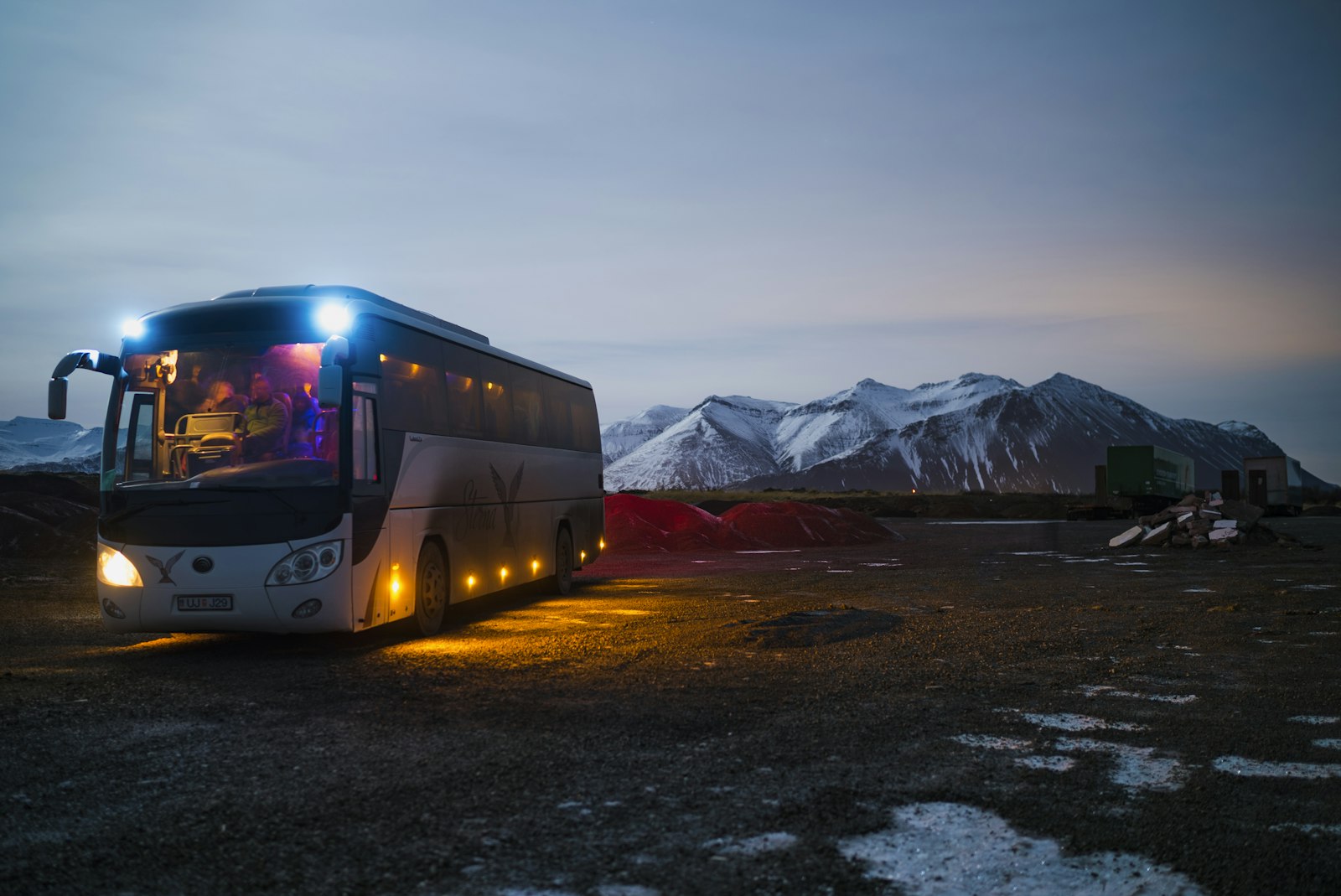
Shoulder season — the weeks or months that fall just before or after a destination's peak period — consistently delivers some of the best overall value in travel: lower costs, manageable crowds, and weather that is often only marginally different from high season.
What Exactly Is Shoulder Season?
Every destination has a rhythm driven by climate, school calendars, holidays, and cultural events. Peak season is when the most visitors arrive and prices climb accordingly. Off-season is when demand drops sharply — sometimes because conditions genuinely deteriorate (monsoons, extreme cold, attraction closures). Shoulder season occupies the middle ground: demand has eased enough that suppliers lower prices, yet conditions remain broadly appealing.
The precise timing differs everywhere. The shoulder season for a Mediterranean beach town (late May or October) bears no resemblance to the shoulder season for a ski resort (early December or mid-March). Understanding a specific destination's calendar is the first step to using this strategy effectively.
Why Shoulder Season Often Delivers Better Value Than Off-Season
Many travelers assume off-season means the best prices and simply stop there. In practice, deep off-season travel carries real trade-offs: reduced flight schedules, closed hotels and restaurants, unreliable weather, and attractions operating on skeleton hours. Shoulder season threads the needle.
- Prices are meaningfully lower than peak without the service gaps of true off-season.
- Flights still operate on fuller schedules, giving you more routing options.
- Hotels remain open and staffed, often with upgraded rooms available at standard rates because occupancy is lower.
- Restaurants, tours, and local attractions are generally running at full capacity.
- Popular sights are less congested, making photographs easier and experiences more enjoyable.
How to Identify Shoulder Season for Any Destination
There is no universal shoulder-season calendar. The research process matters more than any single date.
Study Historical Climate Data
Look at average temperature, precipitation, and daylight hours by month for your destination. Government meteorological services and national tourism boards publish this data reliably. Identify the months when weather is acceptable but tourism hasn't peaked — that window is usually shoulder season.
Watch School and Public Holiday Calendars
In many countries, domestic tourism surges around national holidays and school breaks even when international visitors are sparse. Avoiding those local peaks can dramatically reduce costs and congestion — sometimes more than avoiding the internationally recognized high season.
Track Airfare Trends Over Time
Flight prices are a useful proxy. Search the same route across a full twelve-month calendar view on any major booking tool. The months where fares drop noticeably from their peak — but haven't collapsed to off-season lows — frequently correspond to shoulder periods. You can use the trip-planning tools in My Travel Hub on TravelerPulse.pro to keep notes and track itineraries as you compare dates.
Read Destination-Specific Travel Forums and Recent Trip Reports
Other travelers' firsthand accounts of crowd levels, weather experiences, and service quality are invaluable. Look for recent reports rather than older guides, since climate patterns and tourism volumes shift over time.
Shoulder Season by Destination Type
While every place is different, certain broad patterns recur across destination categories.
Beach and Coastal Destinations
Many Mediterranean, Caribbean, and Southeast Asian beach resorts see their shoulders in late spring (May to early June) and early autumn (September to October). Water temperatures are often still warm, summer crowds have thinned or not yet arrived, and accommodation rates reflect the lower demand. Be aware that hurricane and cyclone seasons overlap with some autumn shoulder windows in certain regions — always check weather risks.
Cities and Urban Destinations
Major cities rarely have a true off-season — they pivot between tourist peaks and business-travel peaks. Shoulder season for cities is often determined by the absence of both: the weeks after summer holidays end and before major conferences or festivals begin, or the quiet post-holiday period in January and February (excluding destinations with winter festivals).
Mountain and Ski Destinations
Alpine and mountain resorts typically have two shoulders: late autumn before reliable snowfall (roughly November in the Northern Hemisphere), and spring after the main ski season ends but before summer hiking draws new crowds (April to May). These periods often offer dramatic scenery, empty trails, and significantly reduced lodging costs, though some lifts and facilities may be closed.
Heritage and Cultural Sites
Destinations built around historical monuments, UNESCO sites, or religious pilgrimage routes — think certain parts of Europe, the Middle East, South Asia, and Central America — are often most manageable just outside peak summer and major religious holiday windows. Visiting famous ruins or old city districts with a fraction of the usual foot traffic is a qualitatively different experience.
Practical Strategies for Booking Shoulder-Season Travel
- Be flexible on exact dates. Shoulder season is a window, not a single date. A difference of a week can mean a noticeable change in pricing, especially for flights.
- Book accommodation directly or through flexible-rate options. Lower occupancy in shoulder season means hotels are often willing to negotiate upgrades or early check-in. Direct booking relationships help.
- Consider mid-week travel. Weekend demand persists even in shoulder season for city destinations near large population centers. Flying or checking in mid-week often yields additional savings.
- Use package deals with caution. Bundled flight-and-hotel packages can offer genuine value but also obscure the individual pricing. Compare unbundled costs before committing.
- Check cancellation and change policies carefully. Shoulder travel dates may fall near weather-risk windows (tropical storms, early-season snowfall). Flexible booking terms are worth the potential small premium.
- Look at loyalty program redemptions. Award availability tends to be better in shoulder season because fewer travelers are redeeming points for the same flights and hotel nights. If you hold airline miles or hotel points, shoulder season is often when they stretch furthest.
What to Watch Out For
Shoulder season is genuinely advantageous for most travelers, but a few pitfalls deserve attention.
- Reduced operating hours. Some museums, tour operators, and seasonal restaurants scale back in shoulder periods. Confirm opening times before building your itinerary around a specific attraction.
- Weather volatility. Shoulder months sit at climate transition points. Conditions can be perfect or unexpectedly poor within the same week. Pack layers and build flexibility into day-by-day plans.
- Local events that compress the shoulder. A single major festival, trade fair, or sporting event can spike hotel prices across an entire city for several days even in otherwise quiet months. Check event calendars for your destination.
- Misidentifying the shoulder. In some destinations, what looks like a shoulder period on a calendar is actually a secondary peak driven by domestic tourism. Research local holiday patterns, not just international ones.
Entry Requirements and Logistics Do Not Change by Season
It is worth stating clearly: visa requirements, health documentation, customs rules, and travel advisories apply equally regardless of what season you travel in. These are set by governments, not by demand cycles. Always verify current entry requirements through official government sources before booking. TravelerPulse.pro's /visas section can help you locate the right official resources for passport and visa research.
The Environmental and Community Angle
Travel volume concentrated in a short peak season puts intense pressure on local infrastructure, natural environments, and communities. Shoulder-season travel distributes visitor numbers more evenly across the year, which many destination communities and conservation organizations actively prefer. This is not a reason on its own to plan a trip, but it is worth noting that the economic benefits to travelers align reasonably well with broader sustainability goals.
Planning Your Shoulder-Season Trip
Once you have identified your destination's shoulder window, the planning process looks much like any other trip — with a few additional checks:
- Verify which attractions, tours, and accommodation options operate year-round versus seasonally.
- Review weather patterns for the specific weeks you are targeting, not just the month average.
- Read recent traveler reports (dated within the last one or two years) to confirm that the shoulder window you identified still holds.
- Build modest flexibility into your itinerary — a free half-day allows you to adjust if weather or closures affect a planned activity.
- Confirm transport links: some routes see reduced frequency in shoulder and off-peak periods, which can affect connections.
Keeping all of this research in one place helps enormously. The My Travel Hub on TravelerPulse.pro is designed for exactly this kind of ongoing pre-trip organization.
Frequently Asked Questions
Is shoulder season the same as off-season?
No. Off-season typically refers to the period of lowest demand, which often coincides with genuinely challenging conditions — severe weather, limited services, or major attraction closures. Shoulder season is the transitional period adjacent to peak season where conditions are still generally good but demand (and therefore pricing) has eased.
How much can I realistically save traveling in shoulder season?
Savings vary widely by destination, route, and how close to peak season you are traveling. General patterns suggest meaningful reductions on accommodation and, to a lesser degree, on flights compared to the peak weeks — but published savings figures are destination-specific and change year to year. The best approach is to search your specific dates across the calendar and compare directly.
Does shoulder season apply to cruises as well as land travel?
Yes. Cruise itineraries follow similar demand cycles, and cabin pricing typically reflects those patterns. Alaska cruises, Mediterranean sailings, and Caribbean itineraries each have shoulder windows that can yield lower fares and less-crowded embarkation ports, though cruise-line policies on pricing and availability vary considerably.
What if I have to travel during school holidays?
Families with school-age children often have limited flexibility. Even within mandated travel windows, earlier or later in the school-holiday period tends to be less expensive than the peak middle weeks. Choosing destinations where school-holiday crowds are less pronounced — places that attract primarily adult travelers — can also help.
Conclusion
Shoulder season is one of the most consistently reliable strategies for getting more from a travel budget without accepting the meaningful compromises that deep off-season travel sometimes requires. The core skill is simply research: understanding a specific destination's demand calendar well enough to identify the window where conditions remain favorable and prices have meaningfully eased. That research investment, made before booking rather than after, tends to pay for itself many times over in both savings and quality of experience.