 Translate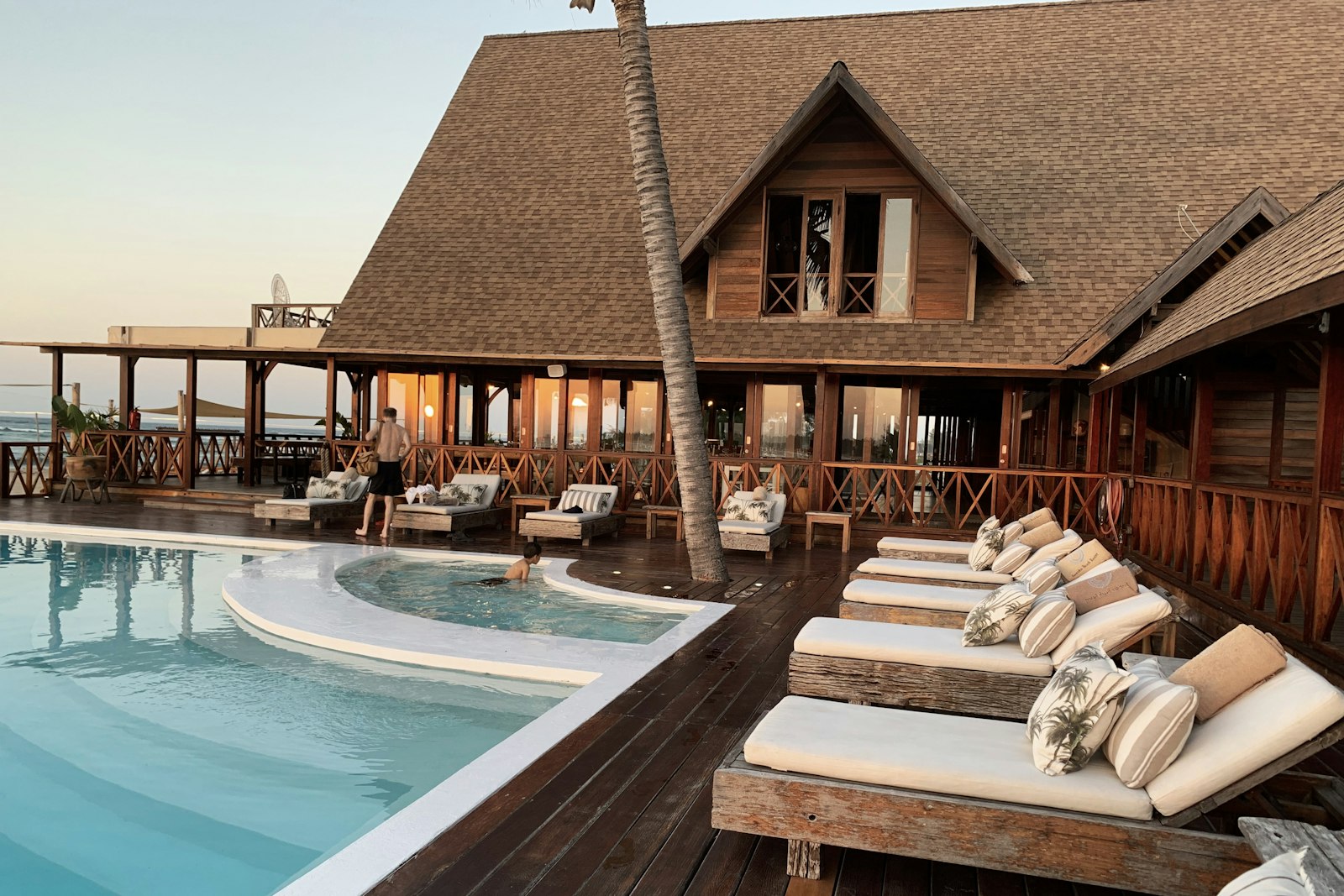
A genuinely family-friendly hotel goes well beyond a cot and a kids' menu — this guide walks you through every meaningful factor to evaluate before you book, from room layouts and safety features to dining flexibility and hidden fees.
Why "Family-Friendly" Is a Marketing Term, Not a Standard
Almost every hotel website claims to welcome families. The phrase, however, carries no universal definition. One property might mean it has a bunk-bed suite; another might mean it offers a dedicated kids' club, a shallow splash pool, and in-room refrigerators. Understanding the gap between marketing language and genuine family infrastructure is the first skill a traveling parent needs.
The sections below give you a concrete checklist to evaluate any property — budget motel or luxury resort — on the factors that actually affect how comfortable and relaxed your stay will be.
Room Configuration: Sleeping Space Matters Most
The single biggest source of frustration on family trips is not enough comfortable sleeping space. Before booking, ask specifically:
- Interconnecting rooms: Two standard rooms with a shared internal door give children their own space without the cost of a suite. Confirm the connection is guaranteed at booking, not just a request.
- Suite layouts: A separate living area allows adults to stay up after children have gone to sleep — a genuine quality-of-life improvement on longer stays.
- Rollaway beds and cribs: Many properties charge extra for these and limit availability. Reserve in advance and confirm the charge in writing.
- Bunk-bed rooms: Popular with older children; less practical with toddlers. Check whether the upper bunk has a safety rail.
- Maximum occupancy: Fire codes set hard limits. A room listed for two adults may legally accommodate only one additional child on a rollaway. Confirm exact occupancy rules before arrival.
Safety Features Throughout the Property
Safety considerations differ significantly between age groups. A resort perfect for school-age children may present real hazards for toddlers.
- Pool fencing and depth markings: Look for clearly marked shallow ends, life rings, and — for resorts with young children — gated pool areas or lifeguard coverage during stated hours.
- Balcony railings: Standard railing heights are set by local building codes, which vary by country. If you have very young children, a ground-floor or non-balcony room can remove the risk entirely.
- Outlet covers and in-room hazards: Budget properties rarely retrofit rooms for toddler safety. Bringing a small kit of outlet covers and cabinet latches costs almost nothing and travels easily.
- Stair and elevator access: Older hotels in Europe and Asia sometimes have steep, narrow staircases and small elevators. If you're traveling with a stroller, verify elevator dimensions when booking.
- Beach and water access: If the property sits directly on a beach, confirm what supervision or safety signage is in place, especially during off-peak hours.
Kids' Clubs and Children's Programming
A well-run kids' club transforms a holiday for families with children roughly ages four through twelve. It gives children structured entertainment and occasional independence while parents decompress — a genuine value-add that justifies a higher room rate at many resorts.
When evaluating a kids' club, ask:
- What are the operating hours and age range accepted?
- Is it included in the room rate, or does it carry a per-hour or per-day fee?
- What is the staff-to-child ratio, and are staff trained in first aid?
- Are activities age-segmented, or is a five-year-old in the same group as a twelve-year-old?
- What happens when the club is closed — are evening babysitting services available?
For hotels without a kids' club, many concierge desks can arrange vetted babysitting. Always ask whether sitters are employed or vetted by the hotel directly, or sourced through a third-party agency.
Dining Flexibility and Food Options
Picky eaters and rigid restaurant hours are a stressful combination. The most family-compatible hotels tend to offer:
- Flexible dining hours: Families with young children often eat earlier than standard restaurant service. Look for properties with all-day dining options or a casual café alongside a formal restaurant.
- In-room dining at reasonable hours: Room service that stops at 9 p.m. is of limited use when a toddler wakes up hungry at midnight.
- Kitchenette or refrigerator access: Even a small fridge for milk, snacks, and leftovers reduces stress and daily costs significantly. Full kitchenettes in apartment-style hotels or extended-stay properties give maximum flexibility.
- Kids' menus: A genuine kids' menu goes beyond chicken nuggets — look for properties that offer smaller portions of the main menu or allergy-aware options.
- Grocery proximity: Some travelers prefer to stock the room rather than rely on hotel dining for every meal. Check the hotel's location relative to supermarkets.
Pool and Recreational Facilities
For many families, the pool is the centerpiece of the stay. Key distinctions to look for:
- Separate children's pool or splash area: Keeps younger children safer and prevents conflicts with adult lap swimmers.
- Water slides and features: Age and height restrictions apply; confirm these match your children's ages before building expectations.
- Pool towels and chair availability: Popular resort pools can be fully occupied by mid-morning. Understand the hotel's policy on reserving loungers.
- Indoor pool: Useful insurance for destinations with unpredictable weather or for off-season travel.
- Other recreational facilities: Game rooms, playgrounds, mini-golf, and sports courts all extend the entertainment value of the property itself, reducing pressure to be out sightseeing every day.
Location and Accessibility
The right neighborhood matters differently for families than for solo travelers. Priorities typically include:
- Proximity to the specific attractions you plan to visit — fewer long transfers mean less time in transit with tired children.
- Safe, walkable surroundings for evening strolls without needing a taxi.
- Easy access to public transportation if you plan to explore by transit.
- Ground-floor or lobby-level amenities so you are not constantly waiting for elevators.
City-center hotels offer convenience but can involve noise, limited outdoor space, and smaller rooms. Resort properties outside urban areas often deliver more space and dedicated facilities but require a car or shuttle for any off-property excursion. Neither is universally better — the right choice depends on your itinerary.
Fees, Policies, and the Fine Print
A room rate that appears competitive can become expensive quickly when family-specific charges accumulate. Before confirming any booking:
- Children's age policy: Many hotels allow children under a certain age to stay free; that threshold varies widely — verify the exact cutoff.
- Extra-person charges: Some properties charge a nightly fee per additional occupant regardless of age.
- Resort fees: A mandatory daily resort fee may — or may not — cover kids' club access, pool towels, or recreational equipment. Read the fee breakdown, not just the total.
- Cancellation flexibility: Traveling with children increases the chance of illness-related cancellations. A refundable rate is often worth the modest premium for families.
- Early check-in and late check-out: With tired children, guaranteed room access on arrival is valuable. Confirm availability in advance rather than hoping for goodwill at the front desk.
Apartment Hotels and Alternative Accommodation
Traditional hotels are not the only option. For longer stays or larger families, apartment-style hotels and serviced apartments can offer meaningful advantages:
- Full kitchens reduce dining costs on extended trips.
- Separate bedrooms preserve adult and children's sleep routines.
- Living room space prevents cabin fever during rest days.
- Laundry facilities in-unit or on-site cut down on packed luggage.
Home-rental platforms also provide this type of space, though service levels, safety standards, and problem resolution differ significantly from a staffed hotel. Weigh the tradeoffs based on your family's tolerance for self-sufficiency.
Loyalty Programs and Family Value
If you travel regularly, most major hotel loyalty programs offer benefits that translate well for families — room upgrades, late checkout, and points that accumulate toward free nights. Some programs allow members to pool points across a household, making family travel more rewarding over time. Policies vary by program, so review the terms of any program you currently hold before assuming benefits apply.
Using Reviews Effectively
Guest reviews are most useful when filtered by traveler type. Seek out reviews specifically written by families with children of similar ages to yours. A couple's glowing review of a minimalist design hotel tells you little about how it handles a family of four with a stroller and a toddler. Look for comments about noise levels between rooms, responsiveness of staff to family needs, and whether advertised amenities were actually available during the reviewer's stay.
You can keep notes on properties you're researching — including links, room configurations, and fee details — in the My Travel Hub on TravelerPulse.pro, which helps consolidate research across an entire trip in one place.
Frequently Asked Questions
At what age do hotels typically charge for children?
Policies vary considerably by property and brand. Many hotels allow children under twelve, or sometimes under eighteen, to stay free when sharing a room with parents and using existing bedding. Extra-bed charges, however, often apply regardless of age. Always confirm the specific policy at the time of booking — not after arrival.
Are all-inclusive resorts a good value for families?
They can be, particularly for families who prefer predictable costs and want everything on-site. The value depends on whether children's meals, activities, and club access are genuinely included versus add-ons. Calculate the total cost including any children's surcharges and compare it against a comparable room-only property factoring in realistic daily food and activity spending.
How do I verify that a kids' club is properly supervised?
Contact the hotel directly and ask about staff qualifications, staff-to-child ratios, and whether the program is operated by hotel employees or contracted out. Ask whether staff hold any recognized childcare or first-aid certifications. A hotel confident in its program will answer these questions without hesitation.
What should I do if the hotel room doesn't match what was advertised?
Document the discrepancy with photographs immediately upon check-in, before unpacking. Speak with the front desk manager — not just the front desk agent — calmly and specifically. If the issue is not resolved, contact the booking platform or your credit card company if the stay was materially misrepresented.
Do I need travel insurance for a family hotel stay?
Comprehensive travel insurance is worth considering for any family trip, particularly when booking non-refundable rates, traveling internationally, or visiting destinations where medical costs for children could be significant. Review policy terms carefully; coverage for pre-existing conditions, trip cancellation due to illness, and medical evacuation are the provisions most relevant to families. For international travel, also consult your government's official travel health and safety resources for destination-specific guidance.
The Bottom Line
A family-friendly hotel is one that has been honestly evaluated against your family's specific composition, ages, habits, and priorities — not one that simply uses the phrase in its marketing. Invest thirty minutes in targeted research before booking: read family-specific reviews, call the hotel with direct questions, and scrutinize the fee structure. That effort will pay off across every day of the stay in comfort, predictability, and far fewer unpleasant surprises.



