

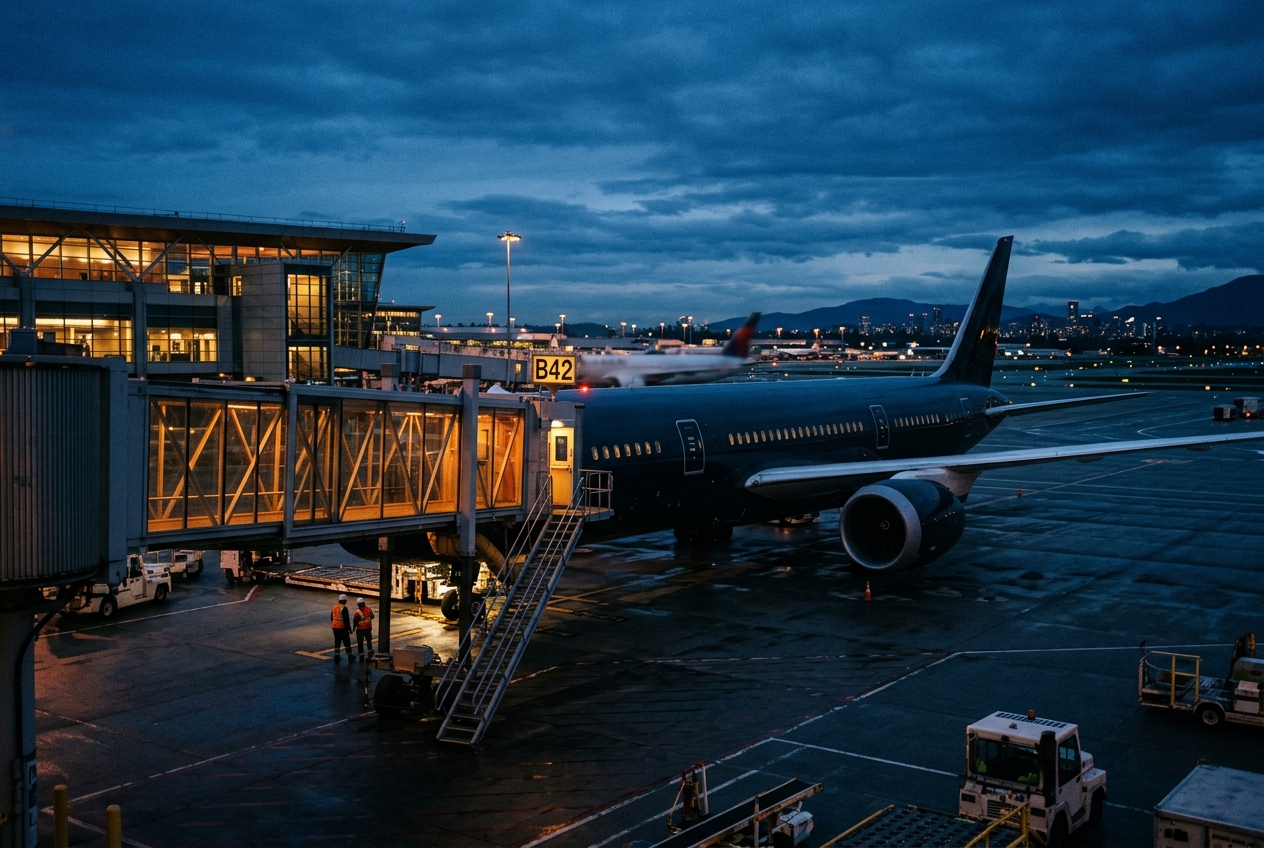
Small regional airstrip serving the Wairoa district of Hawke's Bay.
Location
Wairoa, New Zealand
Wairoa Airport is a small regional aerodrome located near the town of Wairoa in the Hawke's Bay region of New Zealand's North Island. It serves general aviation and occasional charter or scheduled regional flights, providing air access to a relatively remote rural community.
The airport is a basic facility with limited infrastructure, reflecting the small population and low traffic volumes of the area. It is managed at a local government level and primarily supports agricultural aviation, private flying, and emergency services operations.
Wairoa's geographic isolation, nestled between the Hawke's Bay coast and the Urewera ranges, makes the airport a practical asset for the district despite its modest size and infrequent scheduled services.
Getting to & from
The airport is located close to the township of Wairoa, accessible primarily by private vehicle or taxi.
Notable facts
- ›ICAO code NZWO identifies the aerodrome in official aviation databases.
- ›IATA code WIR is assigned but scheduled commercial services are minimal or absent.
- ›The airport primarily supports agricultural aviation and general aviation operations.
- ›Wairoa is one of the more isolated communities in Hawke's Bay, making air access important for emergencies.
- ›The surrounding region is known for forestry, farming, and proximity to Te Urewera.
This profile is provided for general information only. Details may be inaccurate or outdated — always verify with the airport's official website before acting on them.