Translate


Remote Pribilof Islands gateway in the Bering Sea.
Location
St Paul Island, United States
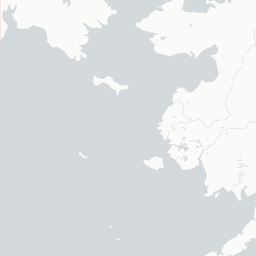
St Paul Island Airport (IATA: SNP, ICAO: PASN) serves St Paul Island, the largest of the Pribilof Islands in the Bering Sea, Alaska, United States. The airport provides the primary means of air access to this remote community, which is home to a small population of Unangan (Aleut) people and is known for its wildlife, particularly its massive northern fur seal rookeries and diverse seabirds.
The airport is operated under the jurisdiction of local and state authorities and supports both scheduled passenger service and cargo operations essential for supplying the island community. Due to its remote location and frequent harsh weather conditions, flights can be subject to significant delays and cancellations.
PenAir (Peninsula Airways) has historically been the primary carrier serving St Paul Island, connecting it to Dutch Harbor and other points in Alaska. The airport plays a critical logistical role for the island's residents, given that air travel is essentially the only practical means of reaching the mainland.
Terminals
The airport has a small, single terminal building suited to the low passenger volumes of this remote island community.
Getting to & from
Ground transport options on the island are extremely limited, with no public transit system; most travel relies on private vehicles or local arrangements.
Airlines here
PenAir (Peninsula Airways) has historically been the primary airline serving St Paul Island, with connections to Dutch Harbor and Anchorage.
Notable facts
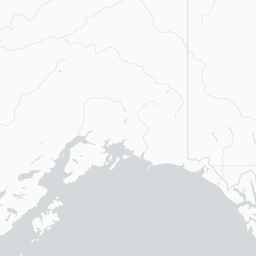
- ›St Paul Island is located approximately 800 miles southwest of Anchorage in the Bering Sea.
- ›The island is famous for hosting one of the world's largest northern fur seal rookeries.
- ›The airport frequently experiences severe weather, including fog, high winds, and low visibility, causing frequent flight disruptions.
- ›St Paul Island has a population of only a few hundred residents, predominantly Unangan (Aleut).
- ›The Pribilof Islands were designated a National Wildlife Refuge area, making aviation access especially important for researchers and wildlife managers.
This profile is provided for general information only. Details may be inaccurate or outdated — always verify with the airport's official website before acting on them.