Translate



High-altitude gateway to Bolivia's historic silver city.
Location
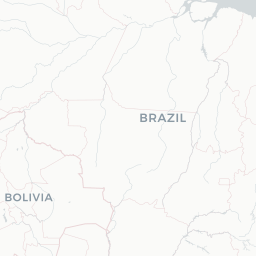
Potosí, Bolivia
Capitan Nicolas Rojas Airport serves Potosí, Bolivia, one of the highest cities in the world at approximately 3,900 meters (12,800 feet) above sea level. The airport is named after Bolivian aviation pioneer Capitan Nicolas Rojas and operates domestic flights connecting Potosí to other Bolivian cities.
The airport handles a modest volume of passenger traffic, primarily serving business and leisure travelers visiting the UNESCO World Heritage city of Potosí, historically famous for its silver mines. Its high altitude presents operational challenges for aircraft performance and requires experienced pilots familiar with thin-air conditions.
Domestic carriers operate limited scheduled service from the airport, linking Potosí to La Paz and other Bolivian destinations. The facility is relatively small, reflecting the regional scale of air travel demand in this part of Bolivia.
Terminals
The airport features a single small terminal building handling both departures and arrivals for domestic traffic.
Getting to & from
Taxis and private vehicles are the primary means of ground transportation between the airport and the city center of Potosí.
Airlines here
Boliviana de Aviación (BoA) has historically operated domestic services connecting Potosí to La Paz and other Bolivian cities.
Notable facts
- ›Located at approximately 3,900 meters (12,800 feet) above sea level, making it one of the highest commercial airports in the world.
- ›Named after Bolivian aviation pioneer Capitan Nicolas Rojas.
- ›Serves the UNESCO World Heritage city of Potosí, known historically for its vast silver deposits.
- ›High altitude significantly reduces aircraft payload capacity and affects takeoff and landing performance.
- ›Primarily handles domestic Bolivian routes with limited scheduled service frequency.
This profile is provided for general information only. Details may be inaccurate or outdated — always verify with the airport's official website before acting on them.