Translate


Norway's main international gateway north of Oslo.
Opened
1998
Location
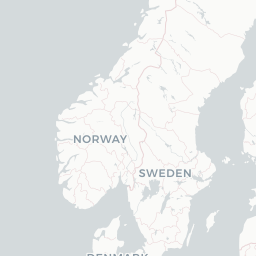
Gardermoen (Ullensaker), Norway
Oslo Airport Gardermoen (OSL) is the primary international airport serving Oslo and Norway, located approximately 47 kilometres north of the city centre in Ullensaker municipality. It is the busiest airport in Scandinavia by number of destinations and the second busiest by passenger traffic, handling around 28–30 million passengers annually before the COVID-19 pandemic.
The airport was purpose-built on the site of a former military airfield and opened in 1998, replacing the old Fornebu Airport, which had been in operation since 1939. Its modern terminal was designed by the Norwegian architectural firm Aviaplan and is noted for its long, light-filled concourses and efficient layout.
Gardermoen serves as the main hub for Scandinavian Airlines (SAS) and Norwegian Air Shuttle, and connects Norway to destinations across Europe, North America, the Middle East, and Asia. It plays a critical role in domestic Norwegian aviation, with extensive connections to regional airports throughout the country.
Terminals
The airport has a single integrated terminal building divided into domestic and international sections, with two main concourses serving Schengen and non-Schengen traffic.
Getting to & from
The Flytoget Airport Express Train connects the airport to Oslo Central Station in approximately 19–22 minutes, with regional NSB trains and bus services also available.
Airlines here
Scandinavian Airlines (SAS) and Norwegian Air Shuttle are the primary carriers based at Gardermoen, with additional service from Wizz Air, Ryanair, British Airways, Lufthansa, and numerous other European and intercontinental airlines.
Notable facts
- ›Opened on 8 October 1998, replacing the congested Fornebu Airport closer to Oslo.
- ›The airport sits at an elevation of 202 metres above sea level, making it one of the higher-altitude major airports in Northern Europe.
- ›Gardermoen was used as a military airbase by Germany during World War II and later by Norwegian armed forces.
- ›The terminal building spans roughly 168,000 square metres and was designed with sustainability principles integrated into its construction.
- ›It has two parallel runways oriented roughly north–south, capable of handling simultaneous instrument approaches.
This profile is provided for general information only. Details may be inaccurate or outdated — always verify with the airport's official website before acting on them.