

AirlinesAirports.com
Travel planning byTravelerPulse.pro
Juan Mendoza International Airport International Hub illustrationInternational Hub
Airports
ORUlarge airport

Juan Mendoza International Airport

Oruro, Bolivia
Explore Oruro city guide Navigate to this airport
4
Routes out
2
Destinations
SLOR
ICAO
12152 ft
Elevation
AirlinesAirports profile

Bolivia's high-altitude gateway serving the mining city of Oruro.

Location
Oruro, Bolivia
Juan Mendoza International Airport (IATA: ORU, ICAO: SLOR) serves Oruro, one of Bolivia's principal mining cities located on the Altiplano plateau. The airport sits at approximately 3,702 meters (12,146 feet) above sea level, making it one of the higher-elevation commercial airports in the world. The airport primarily handles domestic routes connecting Oruro with Bolivia's main cities, including La Paz and Santa Cruz. Operations are modest in scale, reflecting Oruro's regional importance rather than status as a major hub. The city is better known internationally for its famous Carnival celebration, which occasionally drives seasonal passenger demand. Infrastructure at Juan Mendoza International Airport is relatively limited compared to Bolivia's larger airports at La Paz (El Alto) and Santa Cruz (Viru Viru), though it serves an essential role in regional connectivity for the department of Oruro.
Terminals
The airport operates a single small terminal serving domestic passengers with basic facilities.
Getting to & from
Ground transport between the airport and Oruro city center is available via taxis and private vehicles, with the airport located relatively close to the urban area.
Airlines here
Boliviana de Aviación (BoA) is the primary carrier operating routes through Juan Mendoza International Airport.
Notable facts
  • ›Elevation of approximately 3,702 meters (12,146 feet) above sea level.
  • ›Named after Juan Mendoza, a Bolivian aviation figure.
  • ›Primarily serves domestic routes within Bolivia.
  • ›Located in a region historically known for silver and tin mining.
  • ›Oruro's annual Carnival, a UNESCO Intangible Cultural Heritage event, can influence passenger traffic.
This profile is provided for general information only. Details may be inaccurate or outdated — always verify with the airport's official website before acting on them.

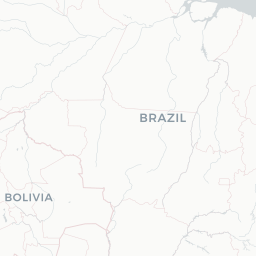
Route map (2 destinations)

Leaflet © OpenStreetMap © CARTO

Airlines serving this airport

Routes

ORU → CBBA4 · SWM
ORU → SRZA4 · SWM
ORU → CBBZ8 · SWM
ORU → SRZZ8 · SWM

Aircraft operating here

Hotels near ORU

Pick what matters for your layover or early flight, then compare on your favorite booking site.

Compare stays for your dates

AirlinesAirports may receive compensation when you book or purchase through some of the links on this page, at no additional cost to you. Prices and availability are set by the booking provider and may change. We never share your private trip details with partners — only the destination, dates and party size you searched.

City & Place Guide

Bolivia's Carnival Capital on the High Andean Plateau

Oruro is a historic mining city sitting at roughly 3,700 meters above sea level on Bolivia's altiplano, about 230 kilometers south of La Paz. It is best known for hosting one of the world's greatest carnivals, a UNESCO-recognized celebration blending indigenous Andean traditions with Catholic imagery each February or March.

Beyond Carnival, Oruro offers rich cultural heritage rooted in Quechua and Aymara traditions, a lively market scene, and proximity to stunning natural landscapes including the Uru Uru Lake and the vast salt flats region. The city has a gritty, working-class character shaped by centuries of silver and tin mining, with colorful murals and colonial architecture dotting the downtown core.

  • •Carnaval de Oruro — UNESCO-recognized festival of elaborate costumes, music, and dance held annually before Lent.
  • •Santuario del Socavón — celebrated church built over a former mine shaft and the spiritual heart of Carnival.
  • •Museo Antropológico Eduardo López Rivas — excellent exhibits on Andean cultures, Carnival masks, and regional history.
  • •Lago Uru Uru — shallow lake on the city's edge attracting flamingos and migratory birds.
  • •Mercado Campero — bustling indoor market ideal for local produce, street food, and traditional textiles.
  • •Mina San José — historic silver mine offering guided underground tours into Oruro's colonial mining past.

Getting around: The compact city center is easily walkable. Microbuses and minivans called trufis run fixed routes for a few bolivianos. Taxis are plentiful and inexpensive; negotiate the fare before boarding as meters are rarely used. No formal rideshare apps operate reliably here. Long-distance buses to La Paz, Cochabamba, and Potosí depart from the main bus terminal on Avenida Ejército.

Best time: The most exciting time to visit is during Carnival in February or March, though book accommodation many months in advance; the dry season from May to October offers clearer skies and milder days for general sightseeing.

Local food: Try sopa de maní (peanut soup with beef), fricasé de cerdo (spicy pork and hominy stew), and charque de llama (dried llama meat) served with chuño, the traditional freeze-dried potato staple of the altiplano.

This guide is provided for general information only. Verify details locally before making travel decisions.

Passport, Visa & Immigration

Flying internationally via ORU? Check entry, transit and customs requirements for Bolivia from official government sources.

Latest news

No recent news found.

Entity data from open aviation datasets (OurAirports, OpenFlights) with AI-assisted editorial clearly marked. Always confirm time-sensitive details with the official airport website. Sources & verification