Translate

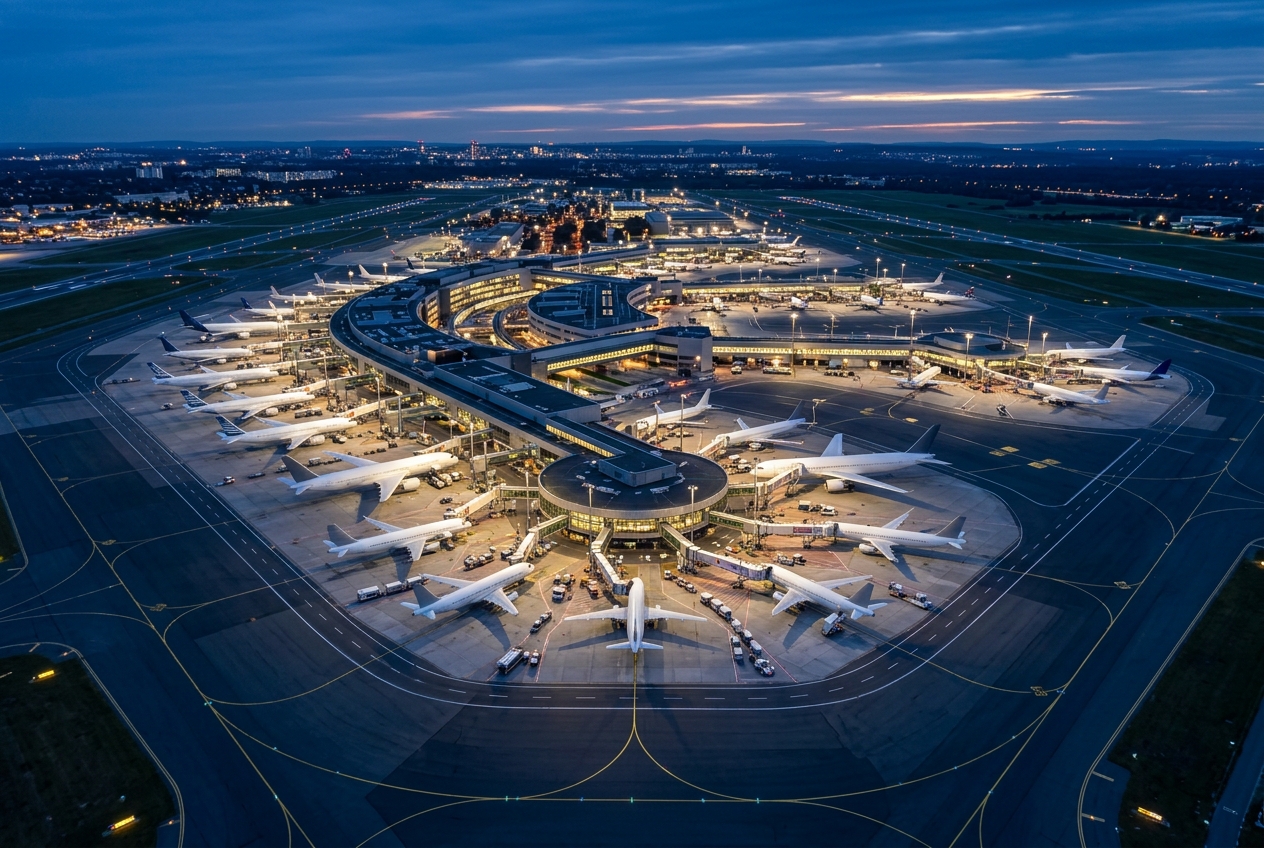
The Philippines' primary international gateway serving Manila.
Opened
1948
Location
Pasay, Metro Manila, Philippines
Ninoy Aquino International Airport (NAIA) is the main international airport serving Metro Manila and the primary gateway to the Philippines. Named after assassinated senator Benigno 'Ninoy' Aquino Jr., it handles the vast majority of international and domestic air traffic in the country.
The airport operates four terminals: Terminal 1, Terminal 2, Terminal 3, and Terminal 4, each handling different carriers and routes. Despite its critical role, NAIA has long been recognized as one of the busiest and most congested airports in Asia, with capacity constraints that have spurred ongoing government discussions about expansion and replacement.
The airport is located in Pasay City within Metro Manila, and serves tens of millions of passengers annually. Plans for a new Manila airport to eventually replace or supplement NAIA have been in development for several years.
Terminals
NAIA operates four separate terminals—T1 handles most foreign carriers, T2 serves Philippine Airlines, T3 serves Cebu Pacific and others, and T4 handles small domestic operations.
Getting to & from
Ground transport options include metered taxis, ride-hailing services, airport buses, and the nearby EDSA corridor, though a direct rail link to the city center is not yet fully operational.
Airlines here
Philippine Airlines hubs at Terminal 2, while Cebu Pacific operates primarily from Terminal 3; numerous international carriers including Emirates, Qatar Airways, and Cathay Pacific serve Terminal 1.
Notable facts
- ›Named after Senator Benigno 'Ninoy' Aquino Jr., who was assassinated at the airport on August 21, 1983.
- ›Consistently ranked among the world's most congested airports relative to its designed capacity.
- ›The four terminals are not directly connected, requiring passengers to use ground transport when transferring between them.
- ›NAIA handled approximately 47 million passengers in 2019 before the COVID-19 pandemic significantly reduced traffic.
- ›The Philippine government has been pursuing development of a new international airport (New Manila International Airport in Bulacan) to relieve pressure on NAIA.
This profile is provided for general information only. Details may be inaccurate or outdated — always verify with the airport's official website before acting on them.