

Gateway to Haiti's scenic southern coastal city.
Location
Jacmel, Haiti
Jacmel Airport (IATA: JAK, ICAO: MTJA) is a small domestic airport serving the city of Jacmel, located on the southern coast of Haiti in the Sud-Est Department. It provides air access to this historic city known for its colonial architecture, arts scene, and nearby beaches.
The airport operates primarily domestic routes connecting Jacmel to Port-au-Prince, serving as an important link for residents and travelers given the challenging road conditions between the two cities. The facility is modest in size, handling light aircraft and small regional turboprops.
Jacmel suffered significant damage during the catastrophic January 2010 earthquake, which severely impacted the surrounding region. Recovery and reconstruction efforts affected both the city and its transportation infrastructure in the years that followed.
Terminals
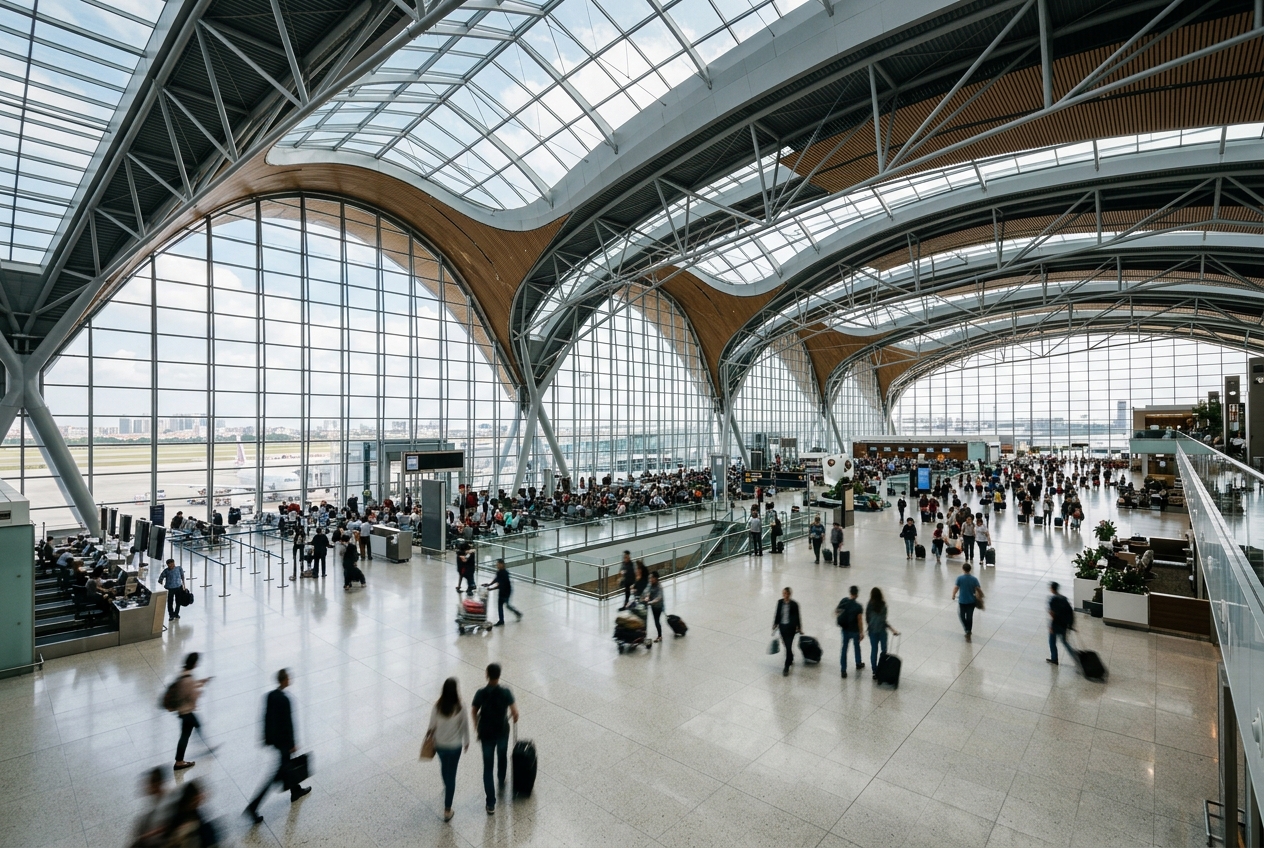
The airport features a single small terminal building consistent with its regional domestic airport status.
Getting to & from
Ground transport from the airport into central Jacmel is primarily available via taxi and informal shared transport options.
Airlines here
Domestic carriers operating small aircraft have historically served routes between Jacmel and Port-au-Prince's Toussaint Louverture International Airport.
Notable facts
- ›Jacmel Airport serves the capital city of the Sud-Est Department of Haiti.
- ›The airport primarily handles domestic flights to and from Port-au-Prince.
- ›The January 2010 Haiti earthquake caused widespread damage to the Jacmel region.
- ›Jacmel is known as a cultural hub and was designated a UNESCO Creative City.
- ›Road travel between Port-au-Prince and Jacmel historically takes several hours, making air access valuable.
This profile is provided for general information only. Details may be inaccurate or outdated — always verify with the airport's official website before acting on them.
