
AirlinesAirports.com
Powered by Google TranslateTranslate
Travel planning byTravelerPulse.pro
Capitán Aníbal Arab Airport Coastal & Island Airport illustrationCoastal & Island Airport
Airports
CIJmedium airport

Capitán Aníbal Arab Airport

Cobija, Bolivia
Explore Cobija city guide Navigate to this airport
2
Routes out
2
Destinations
SLCO
ICAO
889 ft
Elevation
AirlinesAirports profile

Gateway to Bolivia's remote Amazonian Pando Department.

Location
Cobija, Bolivia
Capitán Aníbal Arab Airport, designated by the IATA code CIJ and ICAO code SLCO, serves the city of Cobija, the capital of Bolivia's Pando Department in the northwestern Amazon basin. The airport is the primary air link for this isolated region, which is bordered by Brazil and Peru and has limited road connectivity, making air travel essential for residents and cargo. The airport handles domestic flights connecting Cobija to major Bolivian cities such as La Paz and Trinidad. It is named after a Bolivian aviation pioneer, Capitán Aníbal Arab, reflecting Bolivia's tradition of honoring military aviators at its airports. Due to its remote location in the tropical lowlands, the airport plays a critical logistical role in supplying the region and supporting local commerce, including the rubber and Brazil nut industries historically important to Pando.
Terminals
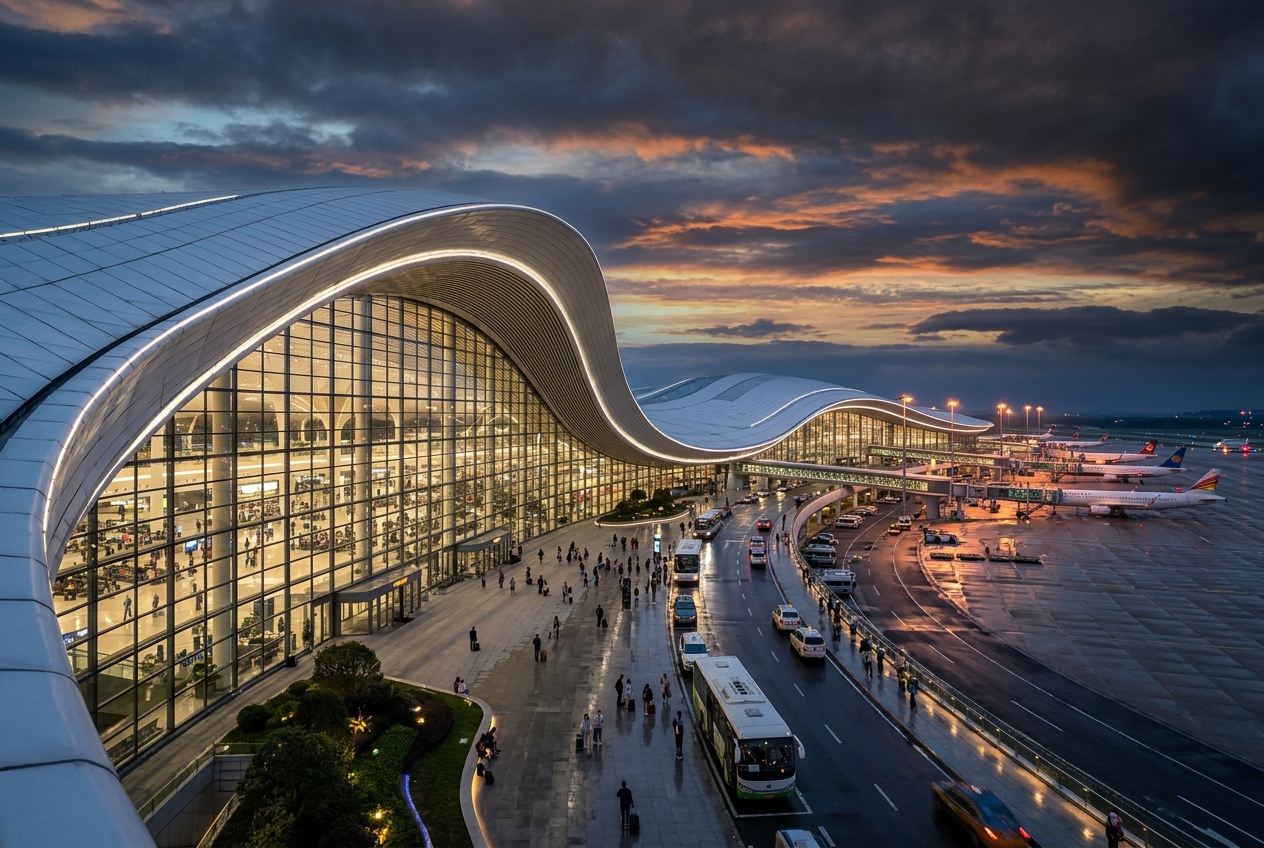
The airport has a single, modest terminal building suited to its low passenger traffic volume.
Getting to & from
Ground transport options include taxis and private vehicles connecting the airport to central Cobija, which lies a short distance away.
Airlines here
Boliviana de Aviación (BoA) is the primary carrier operating scheduled domestic services at Capitán Aníbal Arab Airport.
Notable facts
  • ›Cobija is one of Bolivia's most geographically isolated departmental capitals, making air access critical.
  • ›The airport is named after Bolivian aviation pioneer Capitán Aníbal Arab.
  • ›Pando Department borders both Brazil and Peru, giving the airport some cross-border regional significance.
  • ›The region's economy relies heavily on Brazil nut harvesting, with the airport supporting export logistics.
  • ›Limited paved road infrastructure in Pando makes the airport the primary gateway for people and supplies.
This profile is provided for general information only. Details may be inaccurate or outdated — always verify with the airport's official website before acting on them.

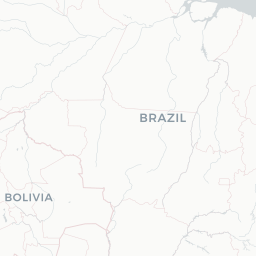
Route map (2 destinations)

Leaflet © OpenStreetMap © CARTO

Airlines serving this airport

Routes

CIJ → TDDA4 · SWM
CIJ → CBBOB · 733

Aircraft operating here

Hotels near CIJ

Pick what matters for your layover or early flight, then compare on your favorite booking site.

Compare stays for your dates

AirlinesAirports may receive compensation when you book or purchase through some of the links on this page, at no additional cost to you. Prices and availability are set by the booking provider and may change. We never share your private trip details with partners — only the destination, dates and party size you searched.

City & Place Guide

Bolivia's Amazonian frontier town on the Brazilian border

Cobija is the capital of Pando, Bolivia's northernmost and least-visited department, nestled deep in the Amazon rainforest along the Acre River. It sits directly across from Brasileia, Brazil, making it a lively border hub where two cultures blend in markets, cuisine, and daily life.

The city is small, humid, and largely off the beaten tourist track, but rewards adventurous travelers with genuine Amazonian nature, frontier energy, and a relaxed pace. Infrastructure has improved in recent years, though the jungle setting means weather and roads can be unpredictable.

Pando is one of Bolivia's most biodiverse regions, with rivers, wildlife, and Brazil-nut forests surrounding the town on all sides. Travelers who make the journey here often find it refreshingly authentic and uncrowded.

  • •Acre River waterfront — scenic border promenade with views into Brazil
  • •Puente Internacional — international bridge linking Bolivia and Brazil
  • •Cobija Municipal Market — lively cross-border trading hub with local produce
  • •Manuripi-Heath Amazonic Wildlife National Reserve — remote jungle reserve with river dolphins and wildlife
  • •Brazil-nut processing facilities — witness the harvesting of Pando's economic lifeblood
  • •Brasileia day trip — easy cross-border visit for shopping and Brazilian food

Getting around: Cobija is small enough to cover on foot in the center, but mototaxis (motorcycle taxis) are the dominant and cheapest local transport for short hops around town. Regular taxis are also available for slightly longer trips. There is no urban rail, and rideshare apps are not operational here. Reaching Cobija from elsewhere in Bolivia typically requires a flight, as overland roads through the jungle are rough and seasonally impassable.

Best time: Visit between May and October during the dry season, when roads are more passable, river levels are manageable, and humidity is slightly lower.

Local food: Try fresh Amazonian river fish such as surubí or pacu grilled riverside, Brazil-nut desserts, and cross-border Brazilian churrasco available at local eateries near the international bridge.

This guide is provided for general information only. Verify details locally before making travel decisions.

Passport, Visa & Immigration

Flying internationally via CIJ? Check entry, transit and customs requirements for Bolivia from official government sources.

Latest news

No recent news found.

Entity data from open aviation datasets (OurAirports, OpenFlights) with AI-assisted editorial clearly marked. Always confirm time-sensitive details with the official airport website. Sources & verification